Tramping is often an individual learn-by-experience activity. What are some typical beginner’s issues or potentially costly mistakes a novice tramper could avoid?
Planning and preparation
Good planning and preparation is a sure-fire way to set yourself up for success. Not planning could mean you choose an unsuitable tramp, with the wrong gear for the conditions, or not being sure how to use some items in your pack.
Not doing any research can land you in hot water. New trampers often choose a trip that’s too long and end up fatigued, which increases the likelihood of poor decision making. Walk to your ability, and don’t be afraid to turn back if you’re nervous or unsure.
Ask for track recommendations from people you trust, or use websites like those of the Department of Conservation or New Zealand Mountain Safety Council to choose suitable routes. Land Search and Rescue ambassador Jo Newburry advises using the five key points of the New Zealand Land Safety Code to guide your adventure planning: choose the right trip for you; understand the weather; pack warm clothes and extra food; share your intentions; and take care of yourself and each other.
Jo Copeland from Christchurch recommends testing things in a safe environment to learn what works for you. She camped in her garden. “We pretended to be in the middle of nowhere and were only allowed inside (the house) to use the toilet,” she says. “We learned a lot that night. It was really strange having my friends over to sleep in the backyard, but totally worth it!”
Food
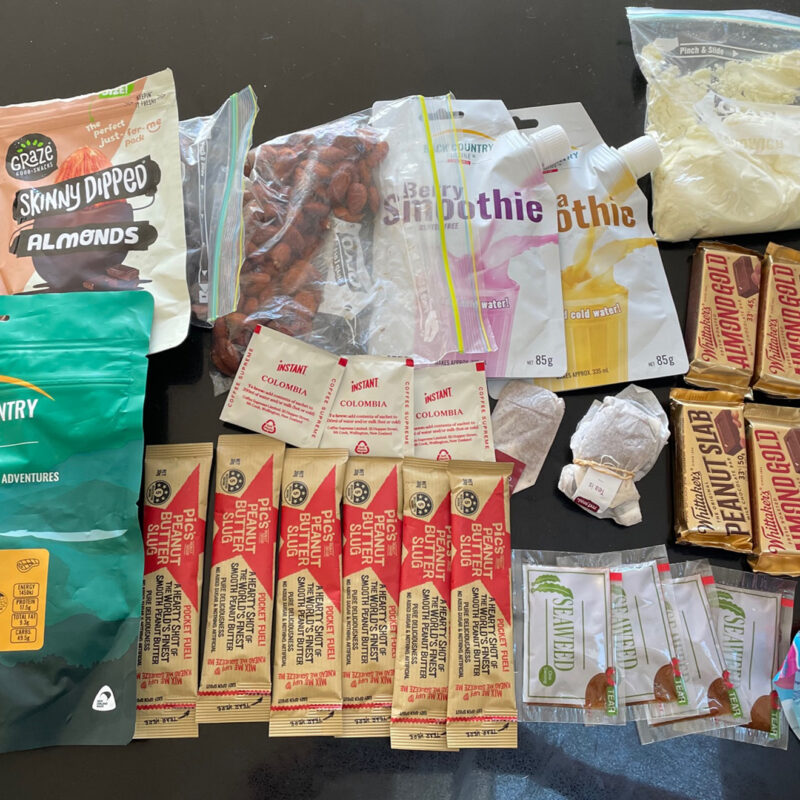
Rissa Williams from Wellington took too much food when she did the Routeburn and Greenstone tracks. “We were concerned we would be hungry and took extra food in case, but I ended up with way too much,” she says. “The dehydrated meal portion sizes were too big for me, and I found I didn’t want to eat things I normally feel like eating. I took a picture of my leftover food to remind myself what I didn’t need to take next time.”
Not taking enough food, or taking food you don’t like, is just plain unenjoyable. You need enough fuel to keep you going on your tramp, and enjoying your kai on that well-earned rest stop is part of the reward.

Gear
Having the correct gear is crucial for having a good tramp. Not enough and you could get cold and wet; too much and your pack will be heavy and uncomfortable. Having the wrong kit for the conditions is potentially dangerous.
Research gear for different conditions, and pack layers for all weathers. Look for items that are versatile and can have more than one purpose.
Kelly Allen from Nelson recommends compiling a packing checklist to ensure nothing is forgotten. “You can tick off as you pack,” she says. “And a list also serves as a good reminder to take any food from the fridge before you leave.”
Feet
Having the right footwear is one of the most important aspects for a comfortable tramp. The most common mistakes are getting boots that are not the right size or fit, not wearing decent socks, and not trying out boots beforehand. Don’t ignore hot spots, and know how to prevent and treat blisters.
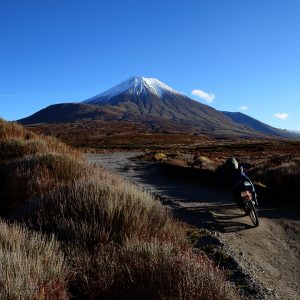
After a painful experience on the Tongariro Alpine Crossing many years ago, outdoor advocate Michelle Morpeth from Northland always advises new trampers to trim their toenails. “I’ll never forget that long descent,” she says. “My nails weren’t particularly long, but my toes jammed painfully against the front of the boot. I lost both big toenails, and they haven’t been the same since. Trim them a few days before you go so the newly exposed skin has a chance to toughen up a little.”
Top tips for those starting out