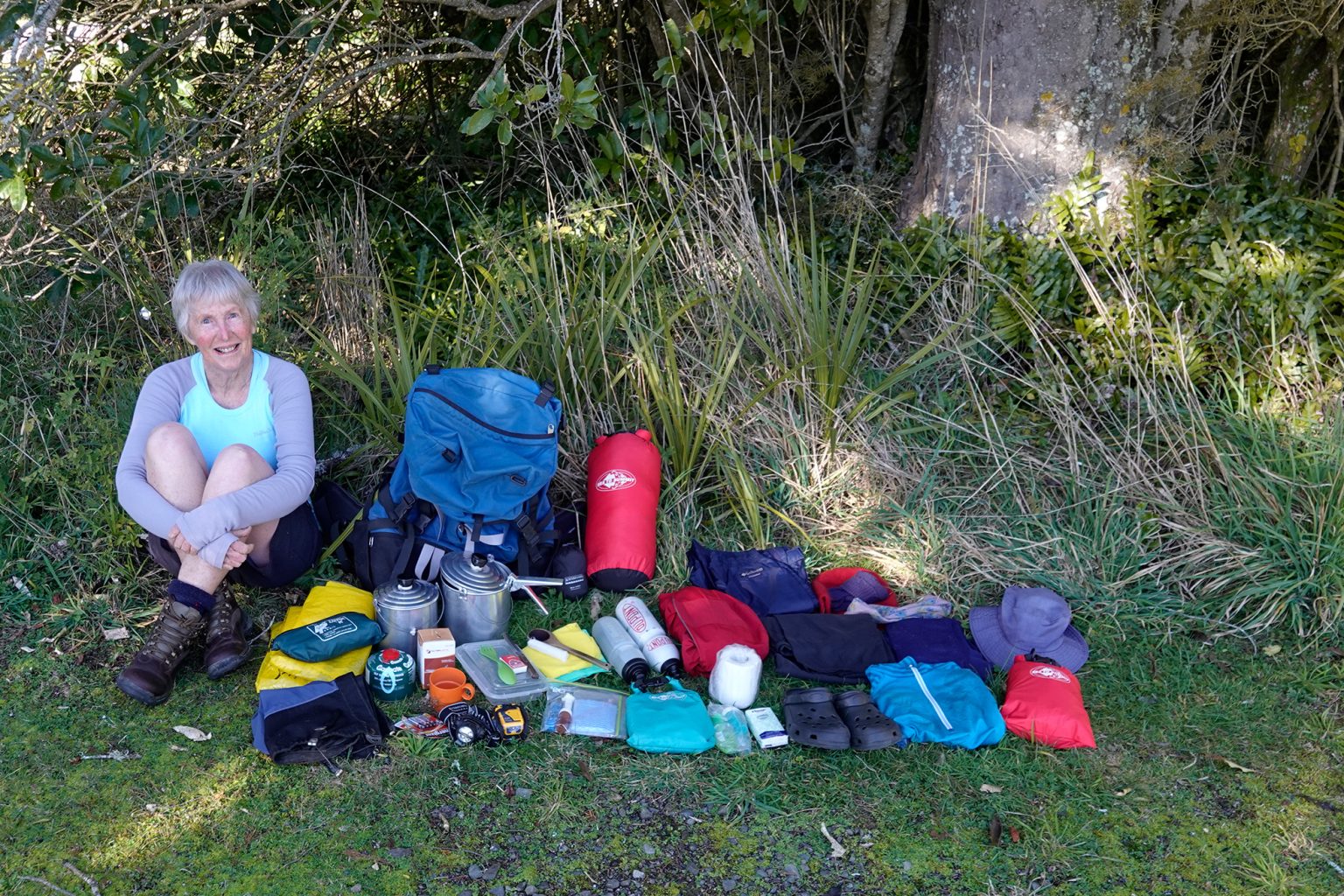
Lynne Kroening is soon to resume overnight and multi-day tramping after a five-year hiatus. She asks gear editor Mark Watson for advice on lightening her pack weight.
By Leigh Hopkinson and Mark Watson
Goal
When Lynne Kroening retired in her mid-50s, she joined the Aoraki Polytech Third Age adventuring course in Timaru and learned plenty of outdoor skills. She joined the
Geraldine Tramping Club and led many day trips over 13 years. She has also completed seven of the Great Walks. Now 76, Lynne is participating in the Walk1200km challenge for the second year in a row.
“I am happiest in wide-open spaces, walking beside the sea, strolling through the bush or climbing to a mountain top for 360-degree views,” she says. “Adding a pack to my back gives me freedom to explore and live.”
Covid lockdowns and sciatica halted Lynne’s overnight tramping, but she’s now ready to resume longer trips.
“I would love to tramp the Paparoa Track in the next 12 months. I can carry up to 13kg but would prefer a lighter 10–11kg load, including consumables.
I have reduced weight by limiting pack contents to just essentials, but can this be reduced further?”
Lynne is considering buying an ultralight tent and sleeping mat and splitting the weight between herself and her partner.
Lynn’s existing gear
→ Pack – Macpac Esprit, canvas, 30 years old, around 2600g
→ Pack liner
→ Pack cover
→ Sleeping bag – Mountain Design Travelite 500 SL, down-filled, 1600g
→ Sleeping bag liner – silk
→ Raincoat – Earth Sea Sky Hydrophobia, 750g
→ Boots – Timberland
→ Gaiters – Kathmandu, long
→ Overtrousers – Columbia, lined
→ Shorts – Macpac Crossterrain, 100% nylon
→ Long pants – Kathmandu, 100% nylon
→ Polyprops – long johns, two tops
→ Top – long-sleeve merino
→ Socks – Bridgedale Summit, spare hut socks in pack (still wearing 18-year-old socks!)
→ Fleece – Kathmandu
→ Woollen hat, woollen gloves, sun hat with brim, bandana, underwear
→ Cooker – Outer Limits GS102P Kea, 130g
→ Billy – aluminium, one large and one medium, plus handle
→ Utensils – Spork, wooden spoon, sharp knife, plastic container for a plate
→ PLB – rescueME, PLB1
→ First aid kit
→ Map of track being tramped
→ Cell phone – for camera
→ Water bottles – two plastic 600ml
→ Sundries – Headlamp, spare batteries, insect repellent, sunscreen, lip balm, hand sanitiser, sunglasses, ear plugs, toilet paper, matches, half a candle, toiletries, Chux cloths (for washing/ drying myself), Crocs, whistle, pencil and paper, survival blanket
All gear carried in colour-coded Sea to Summit dry bags
Extra gear
→ For winter tramping I add a hooded puffer jacket, woollen scarf and ski gloves
Gear Lynne is curious about
→ A lighter pack – a priority
→ A lighter sleeping bag
→ An ultralight tent, essentially a back-up “I’m looking for a two-person tent with room for two packs in the vestibule, up to 2kg in weight. Preferably not a hiking pole tent.”
→ A sleeping mat – “I’ve used closed-cell foam mats in the past and would welcome guidance on a sleeping system.”
Lynne’s budget
Lynne’s total budget is $2200: about $1000 for gear and $1200 for a tent and sleeping system.
Pack
At Lynne’s age, reducing base weight to lessen strain on joints and maximise trip enjoyment is a wise decision. A pack in the 50–60L range will be large enough for trips up to a few days, and the optimal choice can provide considerable weight savings without compromising comfort. Our first suggestion is over 50 per cent lighter than her current pack and is designed to reduce pack strain while improving balance.
Wilderness pick: Aarn Mountain Magic 50 Pro with Balance Pockets, $549, 1050g; or Osprey Women’s Kyte 48, $399.99, 1850g.
Sleeping bag
Lynne’s present sleeping bag is heavy for its fill weight. Bags with lighter fabric and a higher fill-power down can save weight. Whether Lynne is a warm or cold sleeper and whether or not she intends to tramp through the seasons will influence her choice. We’ve picked two options. Both are down-filled. The first is a semi-rectangular three-season bag, the second is a warmer, more expensive mummy bag. The Escapade is also available in a -3°C version.
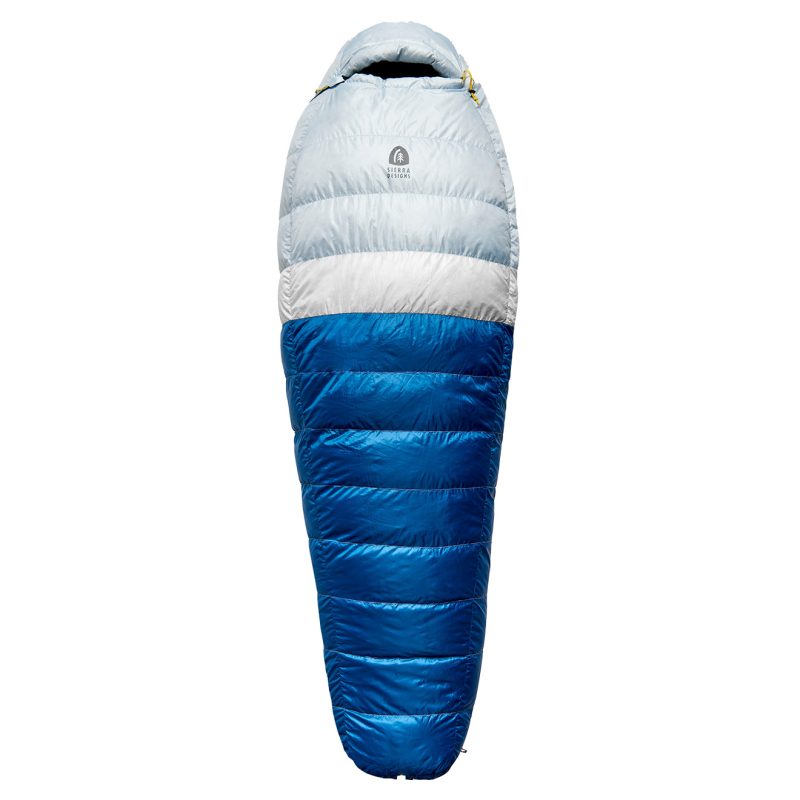
Wilderness pick: Macpac Women’s Escapade 500 (-1°C), $287.99, 1111g; or Sierra Designs Get Down 20 Degree (-5C), $399, 1120g.
Two-person, three-season tent
Since Lynne describes her tent requirement as ‘essentially a back-up’, we’ve picked an option that compromises a little on livable space to save weight and packing size but is a fully functional semi-freestanding, twin–vestibule, two-person tent. Lynn could look at a tent with a larger floor area or headroom, but with that would come an increase in cost to keep the weight reasonable.
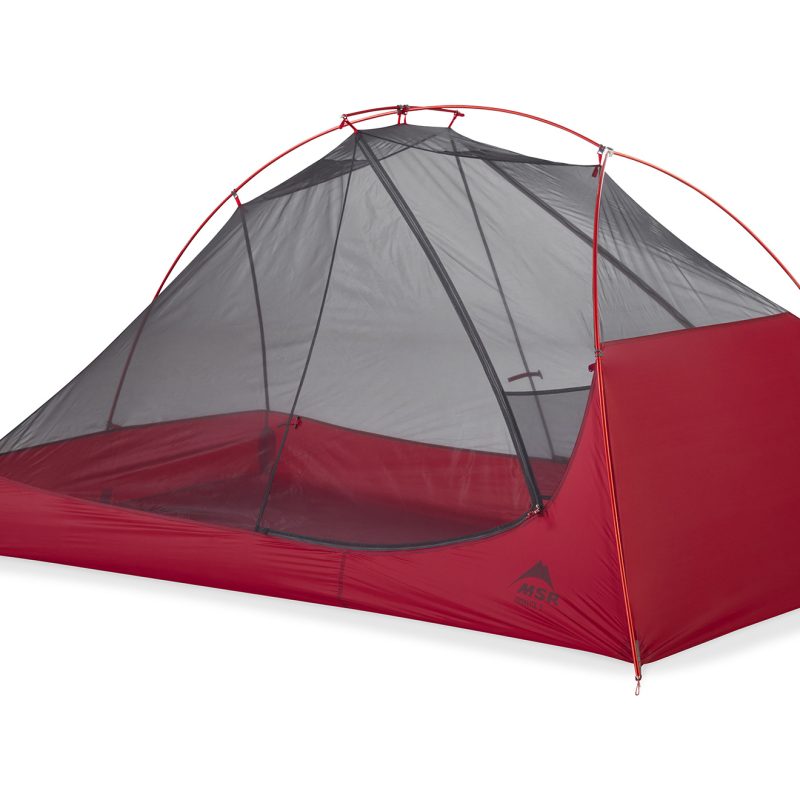
Wilderness pick: MSR Freelite 2 $999.99 / 1060g
Sleeping mat
We recommend air chamber-style inflatable mats as they offer optimal comfort and are packable, light and provide suitable insulation. A mat rated R4 to R5 would provide sufficient warmth for three-season use.
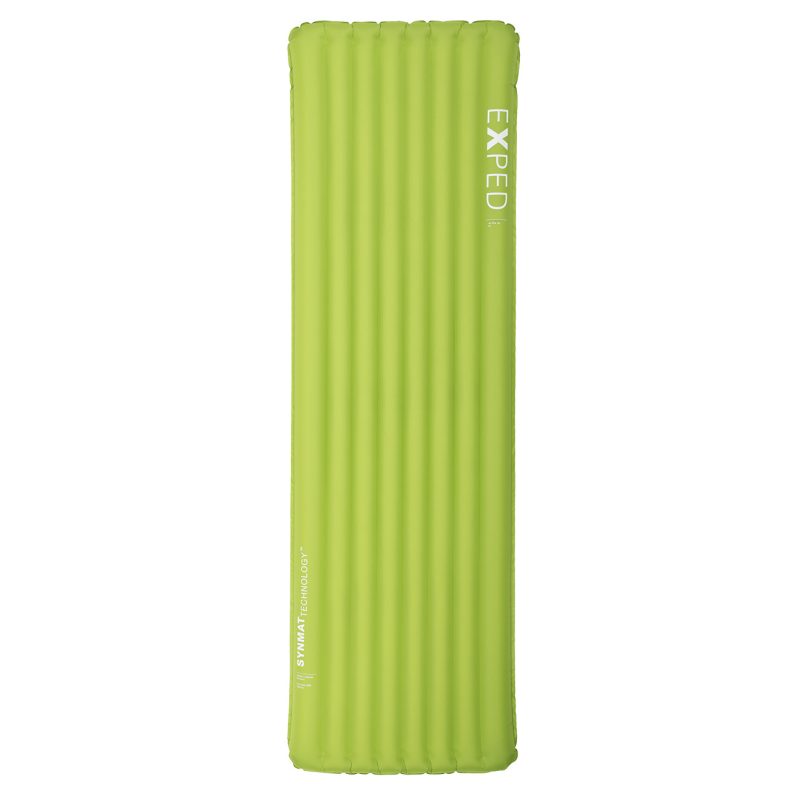
Wilderness pick: Exped Ultra 5R Sleeping Mat (R4.8) $299 / 585g
Additional recommended gear
The cost of the Aarn pack, Macpac sleeping bag, mat and tent is $2135.99, which is under the total budget of $2200. There are weight savings of over 2kg on the pack and sleeping bag.
Reviewing the rest of Lynne’s packing list, we see that her rain shell weighs 750g, which is quite heavy. Depending on the age of her garment, Lynne could consider buying a 2.5-layer jacket that’s cut shorter, which would save a few hundred grams. We’d also suggest unlined overtrousers as her current overtrousers will likely be slow to dry and heavy. Lynne says she packs ski gloves for winter tramping, but we recommend an all-season waterproof and windproof glove. This could be a basic shell-style overglove to fit over her current woollen glove. Depending on the sort of meals she eats in the backcountry, she could consider a single billy or a smaller main billy. She might also consider a 10,000mAh powerbank to keep her phone topped up.
Do you want some gear advice? Send a brief email to the editor to tell us about your needs.