Tents that pitch with your hiking poles instead of regular poles save base weight and packing space.
My background is mountaineering and transalpine tramping, and more recently lightweight, long-distance bikepacking, so I’m very aware of equipment base weight (the weight of all your gear minus food, fuel and water). I like the liberty of a light pack and the benefits of less bodily stress and increased agility and balance on difficult terrain.
I’ve actively cut weight over the years by adapting my shelter to suit conditions. For example, I sometimes carry a bivvy bag instead of a tent, or leave behind the inner of my freestanding tent and use just the fly and poles.
I recently tried a hiking pole tent and was impressed – not just by the minimal weight and bulk of the ultralight fabric and single-skin tent, but also that it allowed me to carry a smaller, simpler pack without tent poles.
I regularly use a freestanding tent or a basic rectangular tent fly, and I found that pitching the hiking pole tent involved a bit more faffing around to get the pole and guyline tension correct. This was more awkward when the ground was uneven, but that tends to affect most tents. A cold night and frosty dawn left quite a bit of frozen condensation inside the tent – a not-uncommon issue with single-skin tents. I brushed my head against the roof more than usual too, due to the lack of headroom in the design. That said, after a quick shake, the ultralight fabric dried quickly in the sun, and I liked the simplicity of packing and carrying fewer tent components.
Hiking pole tents explained
There are many tent models now available that use hiking poles in place of tent poles.
They’re usually in one- or two-person designs, and are generally made from high-end ultralight materials such as Dyneema. So not only are you saving weight without the tent poles, the tent will be lighter as well.
Some models have optional poles, which are useful if you’re using the tent at a basecamp and want to tramp with your hiking poles during the day, or if you’re using the tent on a cycling trip.
Pros and cons of hiking pole tents
Hiking pole tents save on weight and packing space and are often pitched fly-first, so your inner tent stays dry if it’s raining.
They are often similar to traditional A-frame tents, and therefore are not usually freestanding, making them more difficult to pitch on hard surfaces such as rock slabs or tent platforms. This configuration might also mean you don’t have much headroom as the tent walls are not steep. If you want to go for a day tramp from camp, you won’t be able to use your hiking poles unless you collapse the tent or substitute poles with sticks.
Single-wall tents are usually the lightest type, but can be more prone to condensation than double-wall tents. Additionally, these specialised tents can be more expensive than common tents, depending on the fabrics and construction method.
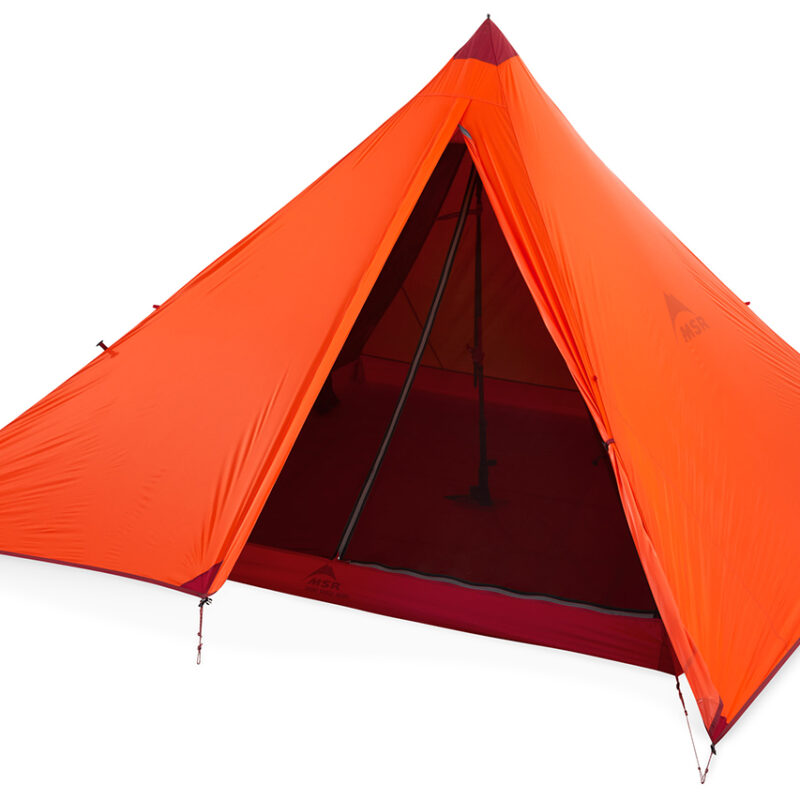
MSR Front Range Tarp with Bug Insert $1569.98
Sold separately, these two items combine to make a versatile four-person shelter suitable for alpine trips. The steep canopy sheds snow and water and features Xtreme Shield waterproof coating. 1620g. www.ampro.co.nz
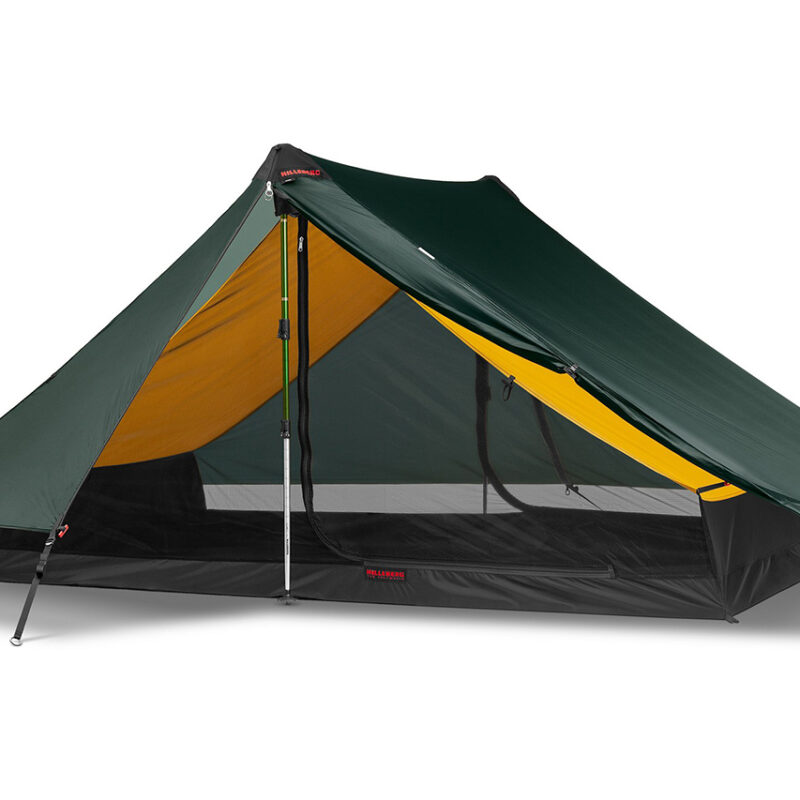
Hilleberg Anaris $1339
This two-person shelter provides plenty of space with a 2.6m2 inner and dual entry and vestibules. It’s versatile – the inner and fly can be used separately, it can be pitched with hiking poles or suspended by the ridge ends much like a tarp. 1440g. www.motomox.co.nz
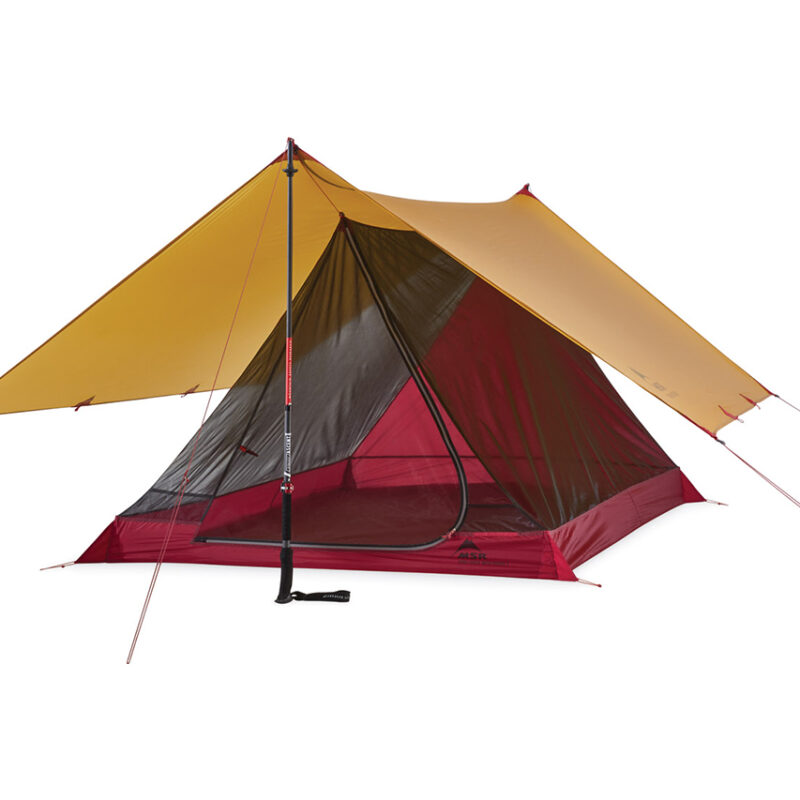
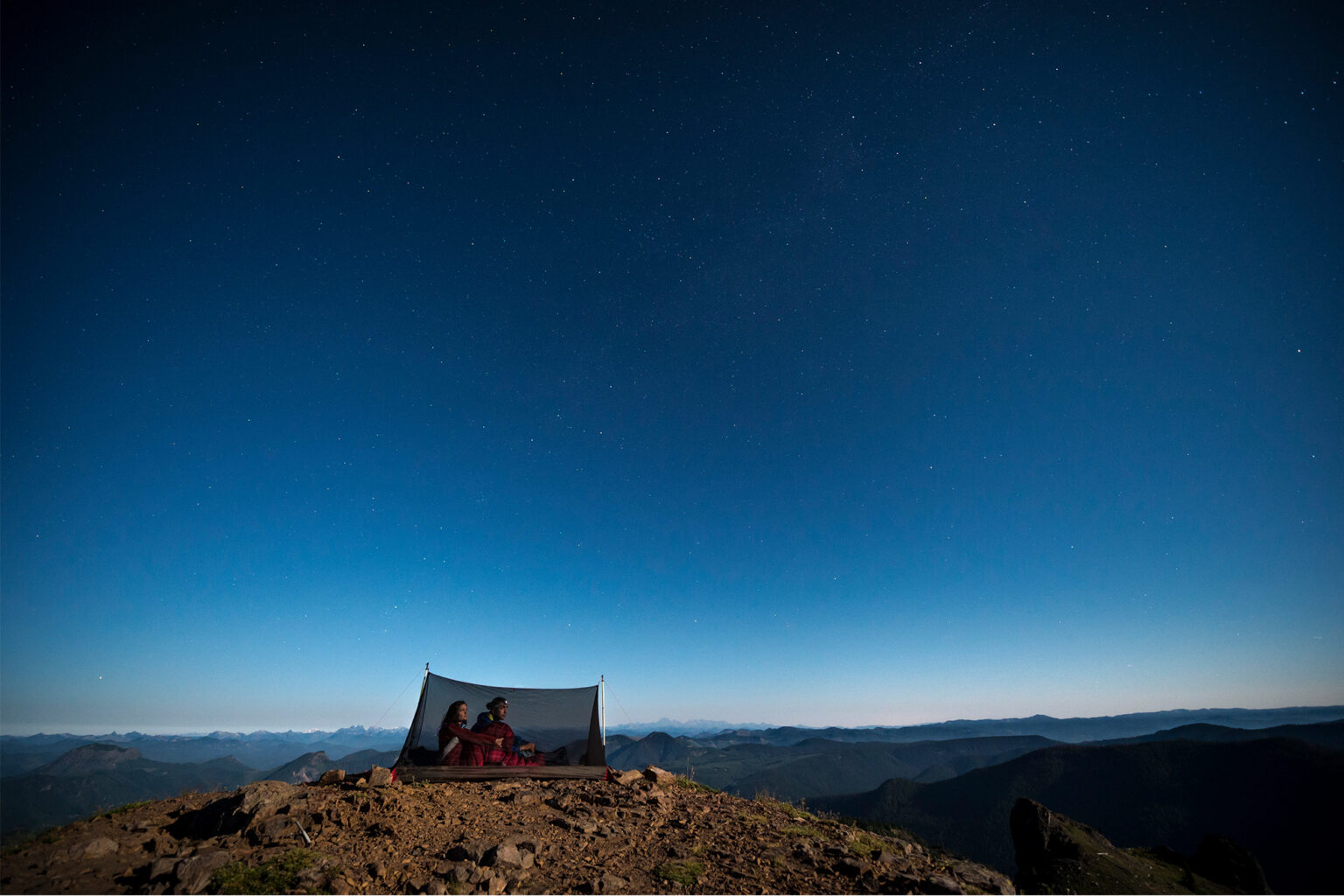
MSR Thru-Hiker Mesh House 2 with 70 Wing $1029.98
Sold separately, they combine to make an ultralight shelter for two. Use the Mesh House on its own for maximum ventilation, or pair with the Wing for added wind and rain coverage. 790g. www.ampro.co.nz