On most journeys you’ll have a destination in mind, but that destination shouldn’t predominate.
Sometimes when we make a plan to go somewhere, the destination takes over our thinking and we forget about the journey. We may push on too quickly and not enjoy the trip.
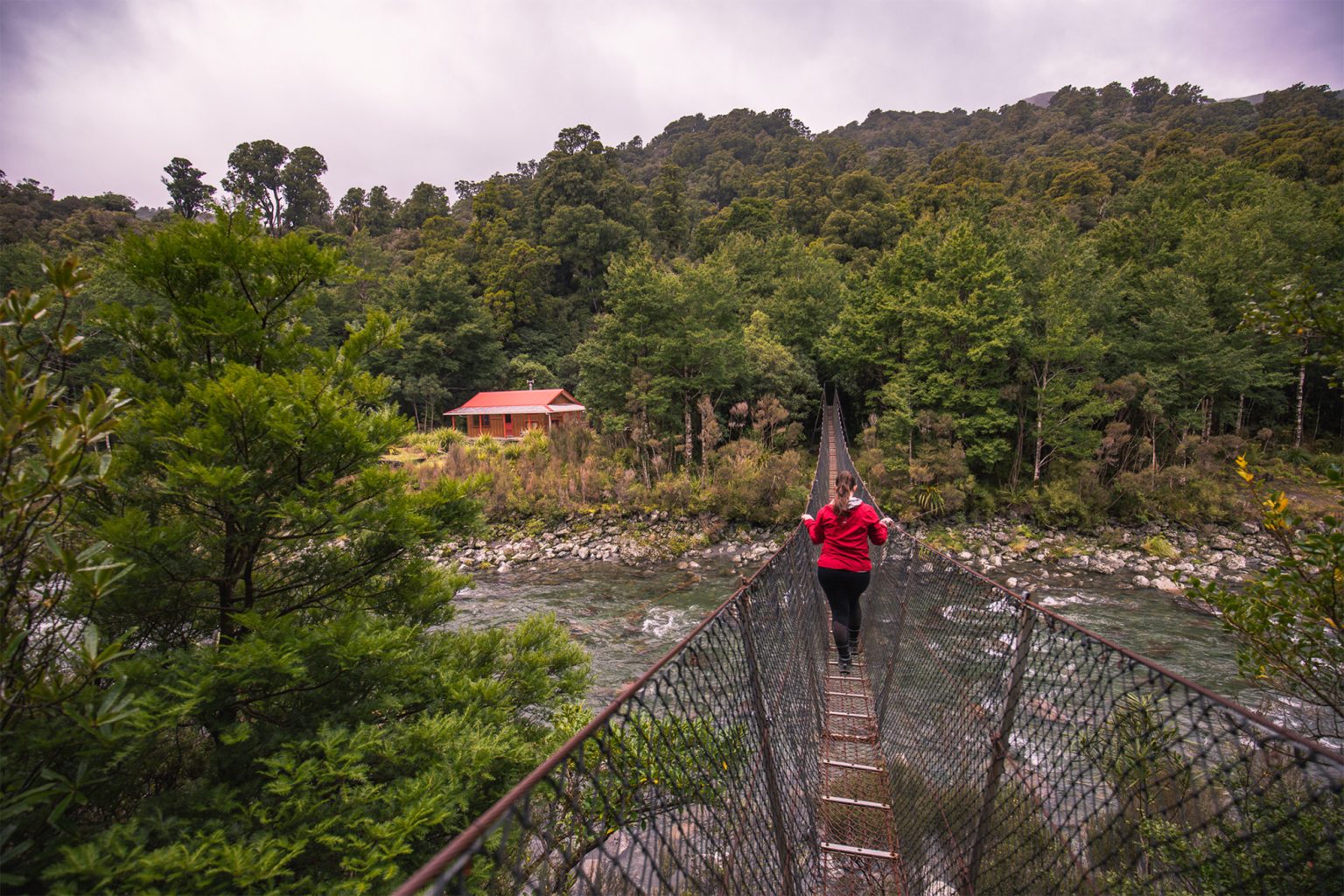
It takes time to look at the views, the trees, the plants, the fungi, to wonder at that creepy crawly or just enjoy the pattern of dew on a cobweb. For me, the best part of New Zealand is stopping for a brew in a clearing in the bush by a stream with the birds. If you are rushing to a destination, all this may be missed.
Making the destination the focus can also be dangerous. A common theme in coroners’ reports is that the deceased, or the party, continued on long after they should have turned back.
Change your mindset
Rather than focusing on where you are going, plan your journey with the destination being nice to aim for but not a problem if you don’t get there. Even if you won’t get the chance to visit again, there has still been a journey to remember.
Give yourself enough time
Always check out where you are going. What are the estimated times? With your fitness and walking speed, are you likely to meet those times? If you are taking children, it may take three to four times longer, especially if they are not regular walkers. Add time to enjoy the walk, look at scenery, take photos and, when you get there, to enjoy the destination.
Start out early enough for the expected walking time. Plan for lots of spare daylight hours after you expect to finish so you don’t feel rushed if the trip takes longer than expected. Remember that it will get dark earlier under the canopy of the bush.
Plan to change your plans
When planning, find points where you might change your mind, such as a junction with a shorter loop where you might decide ‘if we get here after x time, we’ll take the short loop’. Or you might plan to stop at an earlier hut if it’s reached after a set time. Perhaps choose a feature and plan to turn back if you haven’t reached it by a set time.
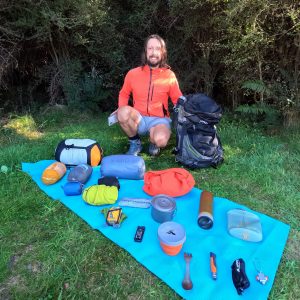
Take equipment, such as emergency shelter, spare clothes and food, that enables choices to be made, such as stopping and camping.
Remember the return trip
Don’t wait until you are exhausted before deciding to return. For a ‘there and back’ trip you need sufficient energy to get back. For a one-direction trip, stop at the halfway point and consider whether it’s wise to carry on. ‘If I am this tired now, can I make my destination? What will happen if I can’t, and it is now too late to return?’
Listen to your body and the conditions
If you’re feeling tired, take note and don’t try to push through. Listen when your body says to slow down and go home.
Consider the prevailing weather too; are conditions likely or expected to change? Don’t keep pushing on into deteriorating weather. It is sometimes better to go back on a longer route if more sheltered conditions will be reached sooner.
Remember, never be afraid to put the trip off, change your plans or turn back.
Heather Grady is an instructor with Outdoor Training New Zealand