A wrap of the biggest stories and best writing about the outdoors from New Zealand and around the world.
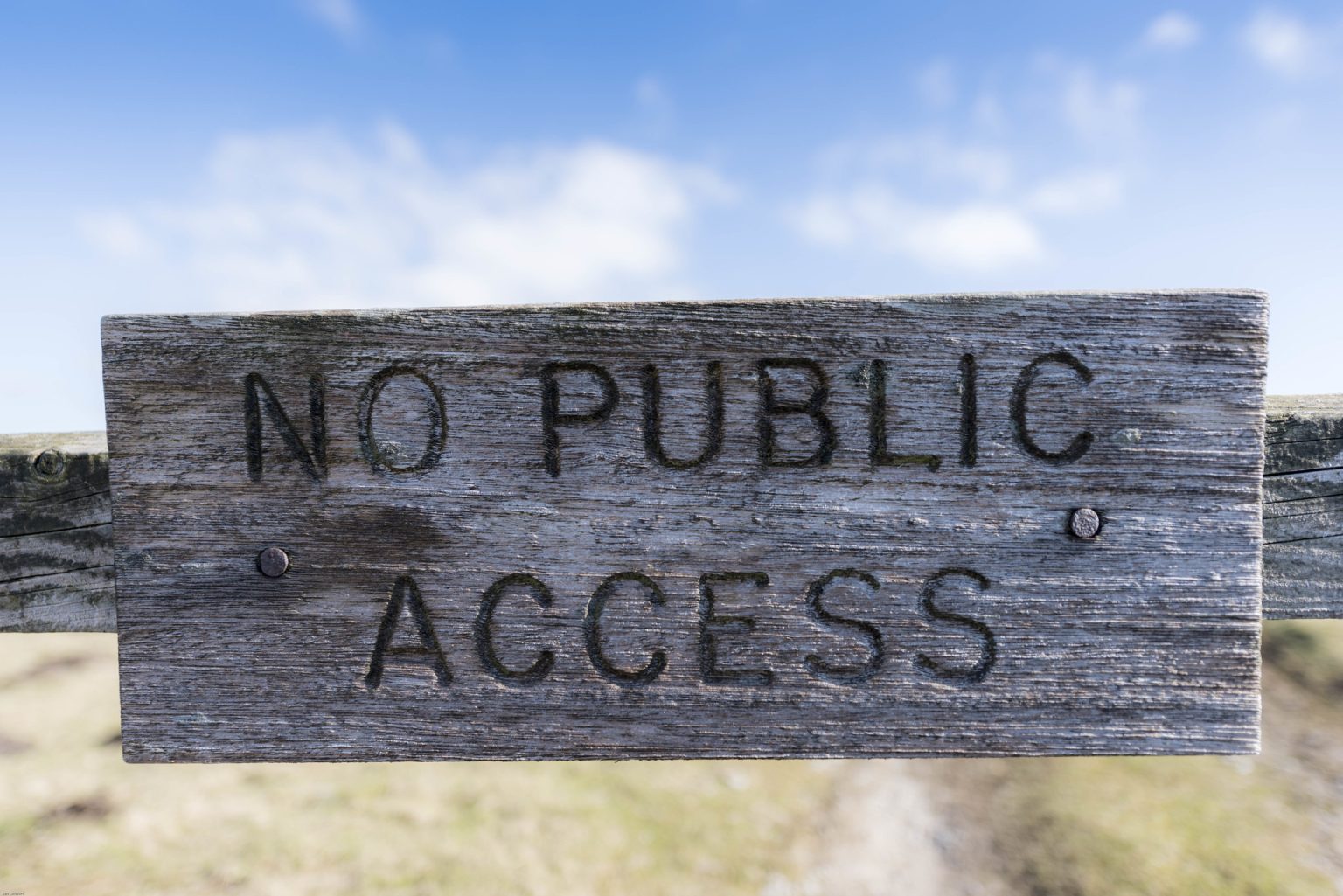
Fourteen years, two landowners, three agencies, hundreds of emails – and still free public access to a Marlborough conservation area remains closed off.
It started with a trespass complaint way back in 2011. Police called for action, as they worried someone would get hurt. In 2014, local DOC staff declared they would make it a priority.
In 2016, before the property went up for sale, a special note was put on the LIM. A 2019 field visit to trace the route encountered ‘no trespass’ notices on the property. And in 2022, the new landowner accepted he had no right to restrict legal access.
But 14 years after that first complaint, Marlborough trampers, hunters and fishers trying to get into the Ferny Gair conservation area via the legal, public paper road are still shut out.
Nikki Macdonald writing for The Press investigates this and other Outdoor Access Commission’s long-running disputes and the national problem it highlights.
DOC seeks homes for 250 Kaimanawa horses
In need of a horse? DOC is urgently calling for good homes for 250 Kaimanawa horses.
DOC senior biodiversity ranger Sarah Tunnicliff said. “Our latest aerial survey shows the herd is more than double the recommended 300 horses which risks environmental damage and food shortages for the horses,” she said.
The 250 Kaimanawa horses are due to be mustered from the Waiouru Military Training area in late April. “It’s a win-win but is reliant on Kaimanawa Heritage Horses getting enough applications for rehoming,” Tunnicliff said.
Kaimanawa Heritage Horses chairwoman Carolyn Haigh stressed the urgency of finding homes. Applications for horses are open until April 14. Read the full story from NZ Herald.
Visitor charges loom for great outdoors
Wide-scale user charges are being considered for popular attractions to help DOC deal with increasing pressures to maintain and improve its assets.
Speaking at the University of Otago’s Tourism Policy School in Queenstown, DOC Director-General Penny Nelson said that conservation-related tourism in New Zealand is worth about $3.4 billion a year.
She said the government had set a priority for the department to increase revenue and invest in areas with high conservation value. At the moment, DOC only charges people who stay in huts or businesses that operate on conservation land. Visitors who do short walks – the most popular activity – do not pay anything.
Ms Nelson said from next summer it will pilot car parking charges at Aoraki/Mt Cook, Punakaiki and Franz Josef Glacier to help manage visitor numbers and cover upkeep costs, which many other countries do.
DOC is the largest provider of visitor experiences in New Zealand with more than 16,000 hut beds and hosts 64,000 walkers on the Great Walks each year. Read the full story from the Otago Daily Times.
Outdoor apparel retailer KMD warns of tariff impact
Listed clothing and footwear purveyor KMD Brands has warned that it is affected by the global tariff increases roiling markets worldwide.
KMD’s brands are surfwear Rip Curl, hiking footwear brand Oboz and outdoor gear Kathmandu. The former two have substantial business in the US ‒ Rip Curl US accounts for approximately 12% of the company’s sales and Oboz US comprises 7%.
Oboz and Rip Curl are manufactured across Asia and therefore fall under the global tariffs the US has placed on Asian countries, including those such as Thailand and Vietnam which are among the highest.
KMD declined to give an estimate of the tariffs’ financial impacts for the remainder of the 2025 full financial year, which will be reported at the end of July.
Group chief executive and managing director Brent Scrimshaw said, “We are evaluating all strategic options, including pricing, cost mitigation and inventory investment, to safeguard the long-term value of our brands and protect our stakeholders.”
Even before the tariff shock, KMD Brands posted a $20.7 million loss for the first half of 2025. Read the full story from The Post.
This ancient African wilderness hides 3,000 rock art caves and balancing boulders older than dinosaurs
Matobo National Park in Zimbabwe might just be Africa’s most underrated natural wonder. This 424-square-kilometre UNESCO World Heritage site, with its otherworldly granite formations and rich cultural heritage, offers an experience that rivals the continent’s more famous destinations—yet remains blissfully uncrowded.
Matobo’s iconic granite kopjes (hills) are ancient formations, some dating back 3 billion years, were shaped by erosion into what locals call “the bald heads”—which is precisely what “Matobo” means in the Ndebele language.
Matobo harbours one of Africa’s most successful rhino conservation programs and is home to the continent’s highest concentration of leopards. The park also contains over 3,000 rock art sites, with some paintings dating back 13,000 years.
The dry winter months (May-October) offer the best wildlife viewing, while summer brings lush greenery but sometimes challenging rains. Learn more about Matobo from World Day.