Improve your sleeping bag’s performance and lifespan with an annual wash.
A sleeping bag is a big investment in monetary terms as well as comfort and warmth. It’s wise, then, to clean your bag regularly to maximise its longevity and performance.
A bag doesn’t need washing after every use – a spot clean and an airing will usually do – but it should be cleaned thoroughly at least yearly to remove body oils and sweat that work into the fabric and insulation, decreasing the effectiveness of both. A dirty bag may not loft as it should and may soak up moisture more readily.
Cleaning is straightforward, but there are a few key things to remember.
Use the correct cleaning product
Don’t use regular laundry detergents as they can leave a residue that inhibits the lofting of the insulation and the fabric’s ability to repel moisture.
Instead, use a technical wash purchased from an outdoor store (there are several brands – Gear Aid, Grangers and Nikwax for example). These water-based products are specifically designed for cleaning and reproofing outdoor gear, and are free of unhealthy per- and polyfluoroalkyl substances (PFAS). Some brands have separate products for down and synthetic-fill bags.

Cleaning
1. In a bath or a large tub, dilute the cleaning agent in water as instructed.
2. Immerse the sleeping bag, pressing until the whole bag is saturated. The bag will be very heavy when wet,so don’t lift it as the fabric or stitching could rip.
3. Let the bag soak for an hour, or longer if it needs a deep clean. Agitate it gently occasionally.
4. Press the water out. Don’t wring it out as this could cause damage.
5. Rinse, and press until the water runs clear.

Reproofing
Bags with water repellent-treated down and outer fabric can be revitalised with a reproofing product (again, there are several brands to choose from). After washing the bag, immerse it again for around 15 minutes using the reproofing product diluted in water according to the manufacturer’s instructions.
Drying
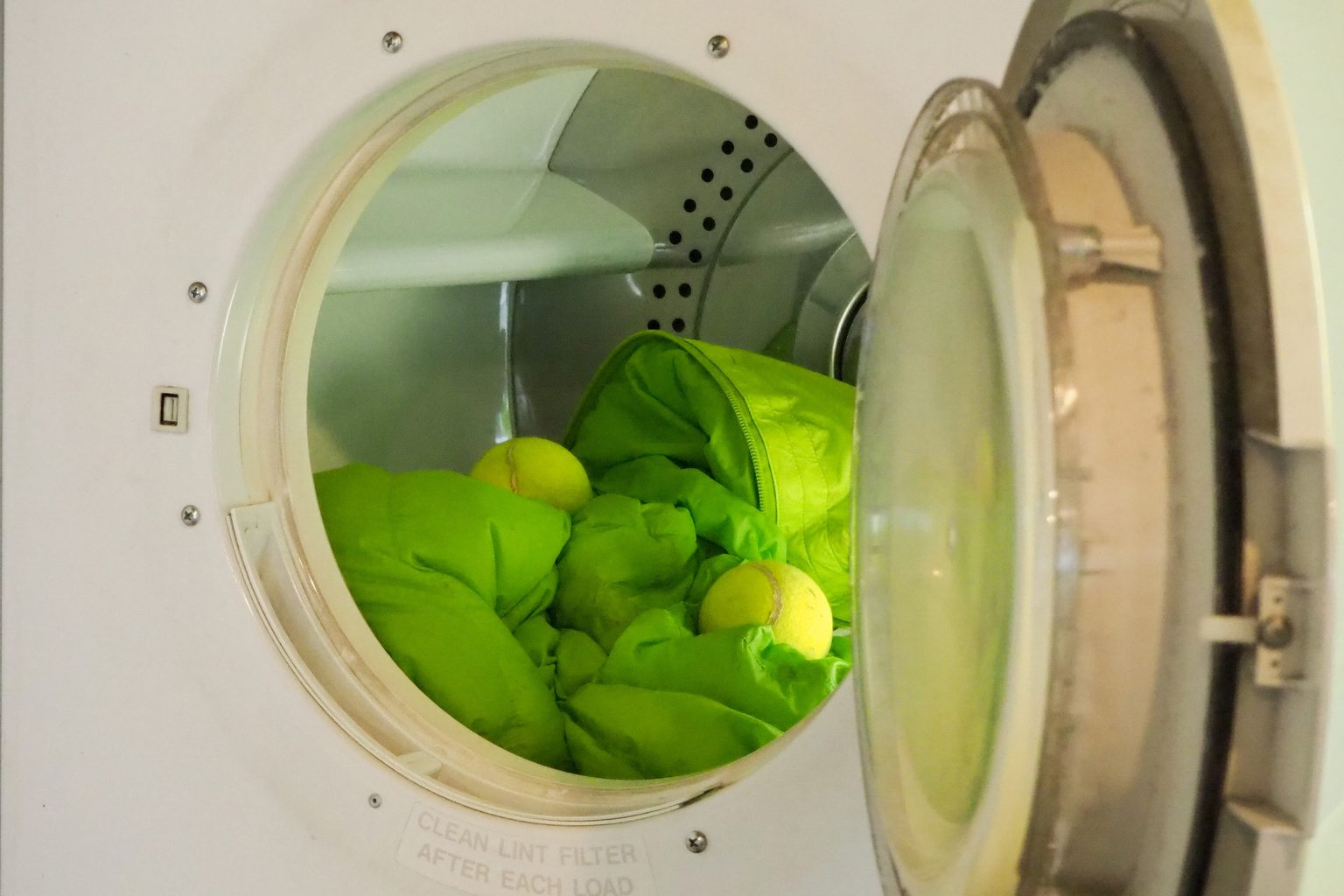
After pressing out the water, remove the bag from the tub and lay it flat, out of direct sunlight, to drain completely. Synthetic bags can be left to dry completely this way. For down, it’s best to wait until the bag is no longer dripping before placing it in a dryer on low heat, preferably with a couple of tennis balls. The balls separate down clumps in wet bags.
Storage
Make sure the bag is completely dry before storing, and keep it somewhere dry in its large mesh storage bag. Down bags should be allowed to loft, as leaving them compressed for long periods can damage the insulation.
Use a liner
A sleeping bag liner boosts a bag’s warmth, helps keep it clean by creating a barrier between user and bag, and greatly improves a bag’s lifespan.