A wrap of the biggest stories and best writing about the outdoors from New Zealand and around the world.
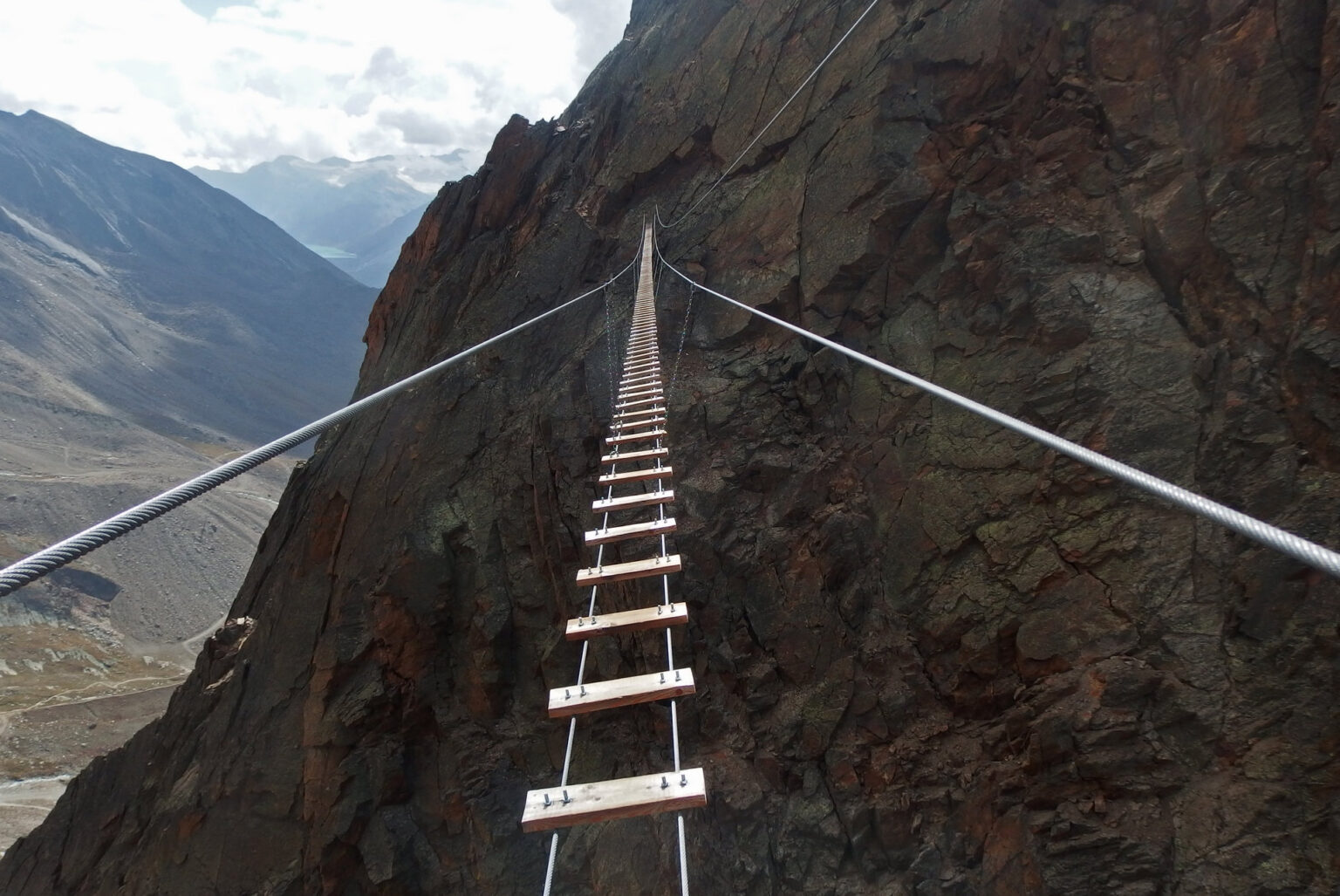
Thieves ascended to an altitude of 2,350m and traversed gorges on narrow steel cables – all to rob a collection box. The route, known as a via ferrata, is classed as level 5, the most difficult, and involves serious climbing as well as ascending ladders bolted into the vertical rock face, and traversing gorges on narrow steel cables.
“The climbing club looks after the via ferrata for no salary, we don’t ask for anything, and now someone has stolen the money donated to maintain it,” wrote the climbing club on its Facebook page.
The thieves were not only good climbers, equipped with all the necessary mountaineering kit, they also took the tools with them to break open the donation box “with brute force” the climbing club said.
The climbing club is not sure exactly how much money was stolen; but club member and mountain guide Richard Werlen told the BBC it was likely to be at least 400-500 Swiss francs ($750-$950 NZD). Read the full story from the BBC.
Norwegian preschoolers get early exposure to outdoor life by hiking routes around kindergartens
In the land of mountains and fjords, outdoor life starts early. That’s why as many as 11,000 pre-school kids from 400 daycare centres started their day last week hiking routes around kindergartens in Norway.
“We hope we can inspire the kids to be outdoor children,” said Kristin Oftedal of the Norwegian Trekking Association, a volunteer organization that aims to promote outdoor activities. “We believe outdoor children are happy children.”
According to the latest official data, 97% of Norwegians participated in some form of outdoor activity in 2021.
“They will learn skills and attitudes that they can bring with them for their whole lives.” She hopes that the diploma handed to each of the hip-sized hikers will be their first muddy steps toward becoming the next generation of outdoor enthusiasts. Read the full story from AP News.
Wildfire season could kick off earlier this year, Fire and Emergency warns
The danger of wildfires is on the rise with forecasts of a hotter, drier, windier summer. Fire and Emergency says the wildfire season could kick off earlier this year with winds predicted to strengthen as the season progressed – particularly from the west which could warm up and dry out the land.
Fire and Emergency national wildfire manager Tim Mitchell said this fire season would be different. “Warmer, drier and windier conditions, particularly in the eastern areas of both islands and into Auckland and Northland, and that’s really going to drive up the fire danger in those areas.”
Department of Conservation national fire manager Aroha Hughes was also preparing for a more active fire season. She urged visitors to DOC land to make sure they knew when they could and could not light a fire, and how to use fire safely. Read the full story from RNZ.
Karel Sabbe shatters the Pacific Crest Trail FKT by five days
Sabbe, 33, from Belgium, ran the length of the continental United States on the 4,265km PCT in an unofficial fastest known time (FKT) of 46 days, 12 hours, and 50 minutes. Sabbe, a professional ultrarunner and dentist, has become a long-distance FKT specialist setting records on the PCT, the AT, and at the Barkley Marathons.
“Karel set the PCT in one of the hardest years imaginable,” said Joe “Stringbean” McConaughy, a professional trail runner who has set FKTs on many of the most iconic long-distance trails, including the PCT in 2014. The Sierra Nevada mountains were battered by snow this winter, and the snowpack was more than 200 percent above average in late spring.
Sabbe finished the trail just like he started it—trying to get the best out of himself. “Everything hit as I was finishing—I thought back to starting at the Mexican border and travelling through all of the snow, deserts, and fires, across California, Oregon, and Washington,” he said. “It was a proud and emotional moment.” Read the full story at Backpacker.
Hokitika Gorge swingbridge’s future up in the air
Fresh on the heels of the shock announcement that the council will be closing the bridge for safety reasons from 1 October, the Department of Conservation says it is confident it can effectively manage the overall visitor experience over the loop track and alternative bridge at the gorge.
DOC Hokitika area manager Own Kilgour said it was the most prominent DOC visitor experience in the Hokitika area. “It’s become the key visitor experience in the Hokitika district; in the last three years the department has invested heavily.”
However, the original swingbridge, a portion of the visitor car park and a section of track leading to the bridge were on Westland District road reserve. At the end of last year, the council requested an engineering review of the bridge setting out “a number of actions” costing about $200,000. Read the full story from RNZ.