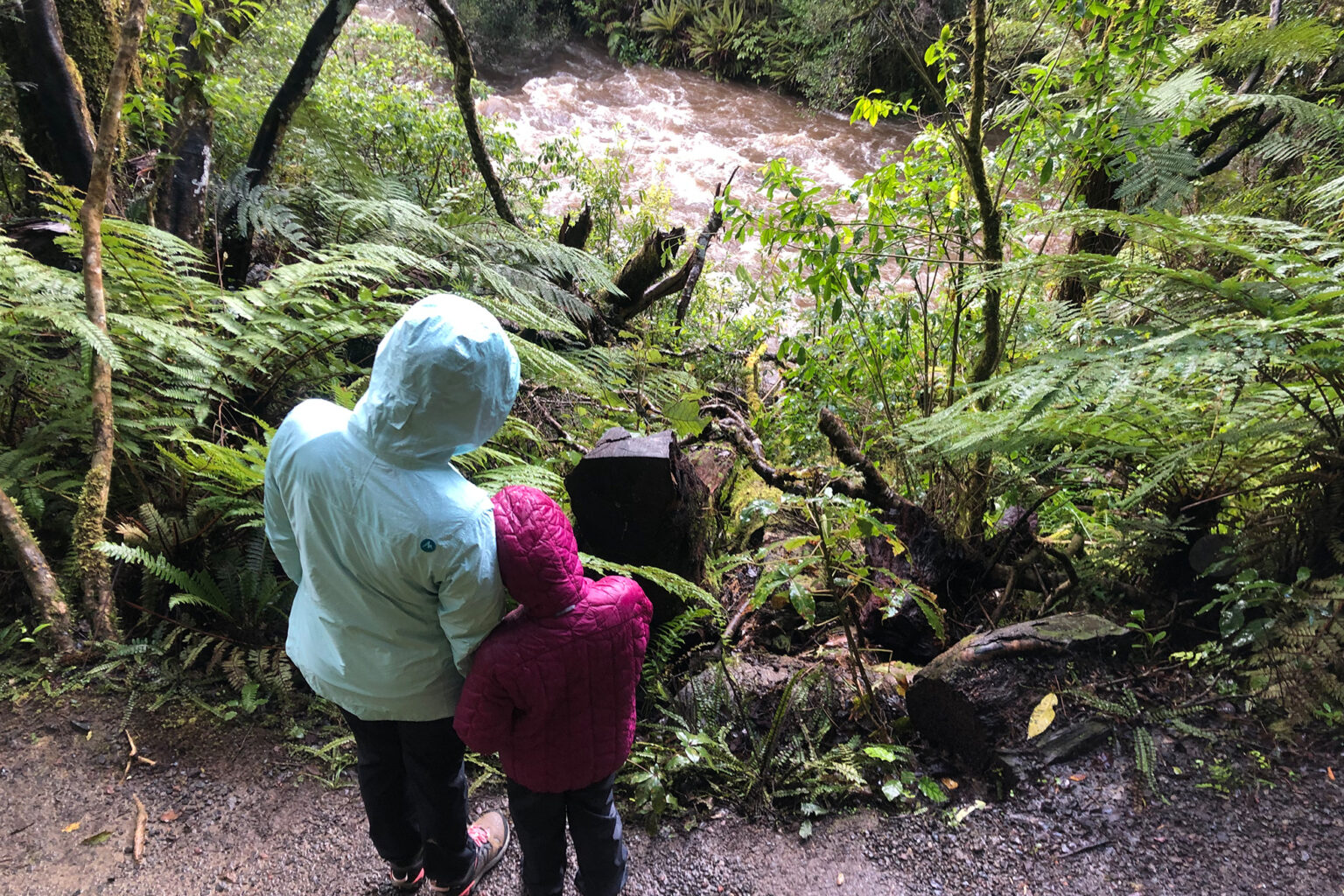
As we head into spring, rivers will soon be affected by changing weather patterns and snowmelt and can quickly become dangerous hazards. Drownings occur every year.
The Mountain Safety Council advises those inexperienced in river crossing to select tracks that have bridges. People should also always be prepared to change their tramping plans to avoid river crossings, and ‘if in doubt, stay out’.
Stop before you cross
Warning signs of an unsafe river:
Water moving faster than average walking pace
Discoloured, cloudy, surging water
Visible debris in the river like tree branches
The sound of rolling boulders on the river bed.
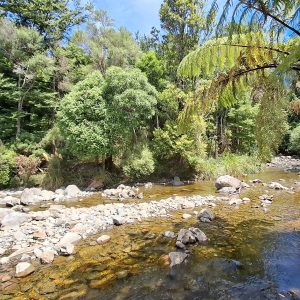
1 Choose the safest place to cross – where the river is flat and the water no higher than thigh-deep on the shortest person.
2 Choose an exit point with no obstacles, downstream of the entry.
3 With 3–5 people, cross in the mutual support method; put your arms between the pack and back of the person next to you and hold onto their pack straps or clothing at their waist. Do not cross rivers by yourself unless you are very experienced.
4 Cross close together in a line parallel to the current.
Harris Saddle and Routeburn Falls Hut, Mount Aspiring National Park
Dobson Loop Track, Tararua Forest Park
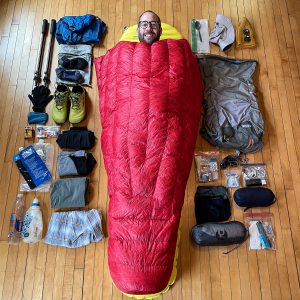
Upgrading to ultralight without replacing everything
Subscribe!
Each issue of Wilderness celebrates Aotearoa’s great outdoors — written and photographed with care, not algorithms.Subscribe and help keep our wild stories alive.