A wrap of the biggest stories and best writing about the outdoors from New Zealand and around the world.
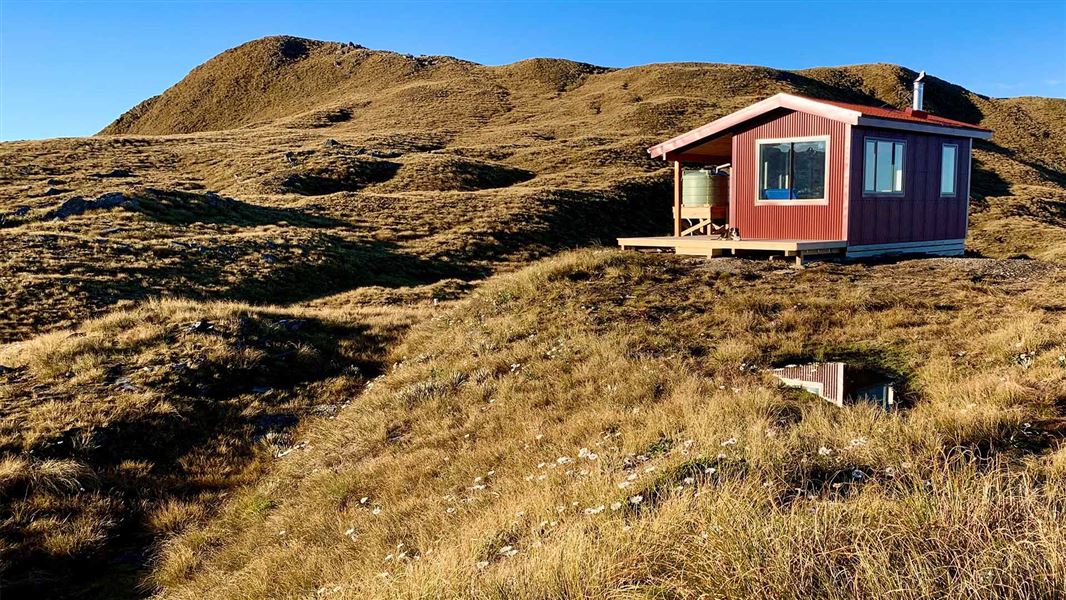
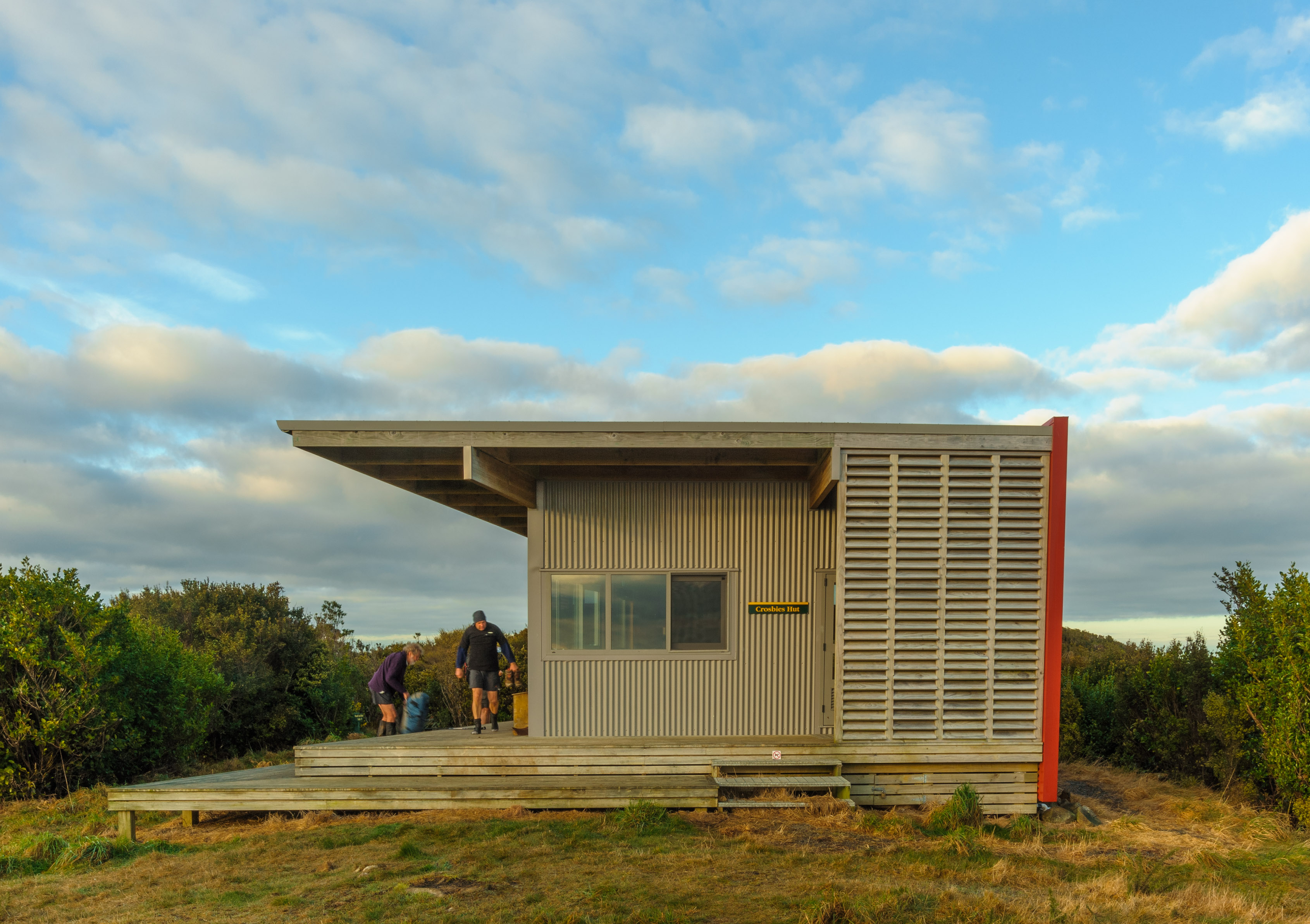
The Department of Conservation (DOC) has received a much-needed $4.2 million funding boost from the International Visitor Levy to work with others to maintain its backcountry huts and tracks.
Dubbed the ‘Community Hut Programme’, the funding has seen DOC partner with the Backcountry Trust (BCT) on 30 recreational hut projects this summer.
“The Community Hut Programme is critical to the Backcountry Trust and DOC being able to deliver extra value to the backcountry community,” BCT national operations manager Rob Brown said.
DOC director of Heritage and Visitors Catherine Wilson said the programme will help others to maintain the facilities through volunteer work and donated materials. Its network of more than 960 huts is ageing, resource-intensive and has “maintenance issues”, with around half over 30 years old, the department said.
Armies of volunteers have already saved hundreds of huts from demolition or dereliction. Individuals or groups interested in helping to maintain the huts and tracks are encouraged to contact the BCT to discuss the projects they have in mind. Read the full story from Stuff.
Nepal increases Everest climbing fee by 36%
Nepal will increase the permit fees for climbing Mount Everest 36%, making the world’s tallest peak more expensive for mountaineers for the first time in nearly a decade.
Income from permit fees and other spending by foreign climbers is a key source of revenue and employment for the cash-strapped nation, home to eight of the world’s 14 highest mountains, including Mount Everest.
A permit to climb the 8,849-metre Mount Everest will soon cost $15,000 USD ($26,500 NZD) said Narayan Prasad Regmi, director general of the Department of Tourism, a 36% rise from the current fee.
“The royalty (permit fees) had not been reviewed for a long time. We have updated them now,” Regmi told Reuters.
The new rate will come into effect from September and apply for the popular climbing April-May season along the standard South East Ridge, or South Col route, pioneered by Sir Edmund Hillary and Sherpa Tenzing Norgay in 1953. Read the full story from CNN.
“MAGNIficent” race tests competitors in inaugural year
The MAGNIficent Race started in Lumsden on Sunday and will finish this weekend. The inaugural year of the race has 34 teams taking part.
Race directors Andrew and Jason Magness created the race after the end of GodZone which “left a big hole in the adventure-racing culture of the country”.
The 470km route would challenge the best teams and the fastest predicted travel time was 104 hours, Jason Magness said. “The stages are big and often multi-disciplined within a stage, requiring an old-school, self-supported expedition approach.
“There is a long, mountainous pack-raft trek, a giant bike leg with a short, but huge-feeling, hike-a-bike, that ends with perhaps the longest continuous single-track descent in the sport’s history.”
The race runs until Sunday and the winner will win a place at the AR World Championship in Canada next September. Magness said he believed it would be a New Zealand team taking home the trophy. Read the full story from the Otago Daily Times.
Study finds some smartwatch bands contain “high concentrations” of harmful PFAS
New research finds that 15 out of 22 common sports watch bands can contain high levels of so-called “forever chemicals” that can be absorbed through the skin.
The study, published in December by researchers at Indiana’s University of Notre Dame, looked at 22 watch bands from numerous brands and across various price points for the presence of PFAS, a type of Perfluorochemicals or PFCs.
The Centers for Disease Control in the USA recognises that exposure to high levels of PFAS may impact the immune system. Research has “revealed associations between exposure to specific PFAS and a variety of health effects, including altered immune and thyroid function, liver disease, lipid and insulin dysregulation, kidney disease, adverse reproductive and developmental outcomes, and cancer.”
The presence of PFAS in watch bands hasn’t been examined until now. Co-author of the study Graham Peaslee says the findings are “concerning” because many people wear running watches 24 hours a day, increasing exposure. Read the full story from Advnture.
Outdoor fire ban in effect for Queenstown, Wānaka and surrounds
A prohibited fire season is in place for most of the Queenstown Lakes District including Queenstown, Wānaka, Kingston, Gibbston, Luggate, Lake Hāwea and the Glendhu Bluffs area. This means no outdoor fires are allowed in the district and all fire permits were revoked.
Otago District manager Phil Marsh said conditions were hot and dry enough to be a significant fire risk. “Even if we do get some rain this week, it won’t have much impact on our dried-out tussock and grasslands,” he said.
“If a wildfire gets going in this environment, and there’s even a bit of wind, it can be really difficult to bring under control.” Activities such as mowing, using power tools, or parking vehicles on long, dry grass could be a fire risk, Marsh said.
“We’ve had several unwanted vegetation fires in Central Otago over the last couple of weeks caused by people operating machinery.
“One fire in Gibbston last week appears to have been caused by light magnified through a glass bottle onto dry grass.“ Read the full story from Stuff.