DOC considering new fees for parks and parking

Read more from

A wrap of the biggest stories and best writing about the outdoors from New Zealand and around the world.

RNZ is reporting that the government is considering charging visitors more to access national parks and other conservation areas and making it easier for private businesses to operate within them.

The Department of Conservation has released two documents for public consultation on “modernising” conservation, seeking feedback on who should pay visitor fees and where, and what that money should go towards.

Conservation minister Tama Potaka said the aim was “to protect relevant natural areas while supporting sustainable growth in tourism and regional economies”.

Internationally, Potaka said that in Australia you pay to go to Uluru, and in America, you pay to go to Yellowstone. Potaka said that access fees were common overseas to maintain popular sites.

Three options for change were now being considered; charge everyone the same, charge New Zealanders less than international visitors, or only charge international visitors and let New Zealanders access conservation areas for free.

The discussion documents are available on DOC’s website. Consultation closes at the end of February 2025.

Paid parking to be trialled at three South Island tourist spots

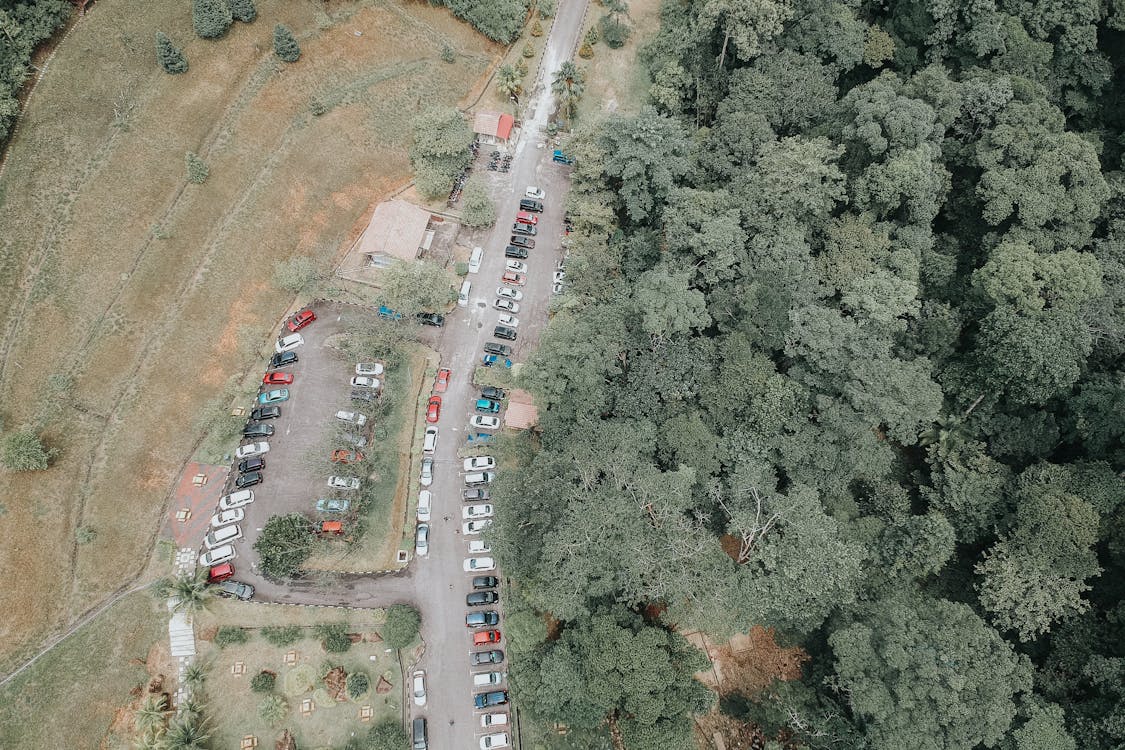
In other DOC news from RNZ, plans have been announced to introduce a paid parking pilot at Punakaiki Pancake Rocks, Franz Josef Glacier, and White Horse Hill at Aoraki Mount Cook National Park.

The 12-month trial is funded by $3.8 million from the international visitor levy and will include car park upgrades.

DOC heritage and visitors director Catherine Wilson said they were among the busiest car parks and it could not just keep building bigger ones so it needed to innovate.

“Sites like White Horse Hill carpark are already over capacity on peak days with an estimated 700 vehicles per day,” she said. Wilson said a user-pay approach had been mooted as a sensible solution that helped to reduce pressure and generate revenue.

“By contributing to costs at high-use sites, visitors give back to the places they enjoy, helping create a more regenerative model to sustain New Zealand’s precious biodiversity.”

The pilot was in the planning phase and no decisions had been made about pricing or charging, pre-booking and other solutions would be explored for the White Horse Hill carpark, she said.

Would you scale this ladder 1500m in the air?

China’s new tourist attraction is called Tianti (“Sky Ladder” in Chinese). It clocks in at 168m long and stretches between two cliffs at a height of over 1,500m.

The attraction is located on Mount Qixing in Zhangjiajie Nature Park, in southwestern China’s Hunan province, an area famous for its complex terrain and diverse landforms.

This particular climbing trail is via ferrata-style, built on the rock wall of a mountain using steel handrails, footrests, tethers and cables to enable people to climb the steep rock walls.

The sky-high attraction in Zhangjiajie receives an average of more than 1,200 tourists per day, according to state-run media outlet CCTV. It has become so popular there was once even a “people jam” in the air. Read the full story from CNN.

15 popular DOC huts now require bookings

DOC has added 15 huts to its booking system this week to help manage crowding, support revenue collection and align with the Te Araroa Trail Pass launched in August.

The huts are in Nelson Lakes and Arthur’s Pass national parks, with an additional hut in Whanganui. All 15 are Serviced Huts under DOC’s hut categories.

“We’re asking customers to book these huts online before their trip,” says DOC Visitor Advice Manager Lynnell Greer. “Huts previously covered by the Backcountry Hut Pass continue to be covered.” Read the full press release from DOC.

The new bookable huts are:

Whanganui

  • Downes Hut*

Canterbury

  • Hamilton Hut*
  • Hope Kiwi Hut*
  • Ada Pass Hut
  • Anne Hut*
  • Boyle Flat Hut*
  • Cannibal Gorge Hut
  • Christopher Hut

Nelson Lakes

  • Blue Lake Hut*
  • John Tait Hut*
  • Lakehead Hut*
  • Sabine Hut
  • Speargrass Hut
  • Upper Travers Hut*
  • West Sabine Hut*

* On Te Araroa Trail

Over 30 stranded whales rescued

A pod of more than 30 pilot whales were rescued after being stranded on Ruakākā Beach near Whangārei. DOC says most were refloated and swam out to sea, but three adults and one calf died. There were no re-strandings overnight.

The rescue effort was spearheaded by the local Māori group, Patuharakeke, who were joined by authorities and other members of the public. Patuharakeke remained on the beach through the night to make sure none of the rescued whales were re-stranded.

DOC called the rescue effort “incredible, with everyone coming together for the whales”.

“It’s amazing to witness the genuine care and compassion people have shown toward these magnificent animals,” the department’s operations manager Joel Lauterbach said.

He also thanked all involved parties including Patuharakeke and Project Jonah, which delivers aid to stranded marine mammals. Read the full story from the BBC.

Justin Sprecher

About the author

Justin Sprecher

Wilderness newsletter editor and contributor Justin Sprecher is a tramper, thru-hiker and trail runner with a passion for wild backcountry. He has been writing and photographing for outdoor publications for more than a decade and holds a degree in film studies and communications from the University of Wisconsin–Madison. His writing has featured in publications in New Zealand and North America and his films have screened at festivals worldwide.

More From

More From The world outdoors

Related Topics

Similar Articles

Paid parking at Aoraki Mount Cook raises $214k in first month

Rees-Dart circuit ‘closed indefinitely’

New tramping scholarship for aspiring writers and photojournalists announced

Trending Now

Apply for the Shaun Barnett Memorial Scholarship

DOC’s best huts

Harris Saddle and Routeburn Falls Hut, Mount Aspiring National Park

Dobson Loop Track, Tararua Forest Park

Upgrading to ultralight without replacing everything

Subscribe!
Each issue of Wilderness celebrates Aotearoa’s great outdoors — written and photographed with care, not algorithms.Subscribe and help keep our wild stories alive.

Join Wilderness. You'll see more, do more and live more.

Already a subscriber?  to keep reading. Or…

34 years of inspiring New Zealanders to explore the outdoors. Don’t miss out — subscribe today.

Your subscriber-only benefits:

All this for as little as $6.75/month.

1

free articles left this month.

Already a subscriber? Login Now