Water is heavy to carry, but having enough is vital. Becoming dehydrated can have a serious impact on your performance.
Dehydration is insidious and serious. The condition develops slowly, and people can be badly affected before they realise what’s happening, particularly as many of the symptoms are similar to other tramping-related conditions.
Thirst and a dry mouth are telltale early signs. Take note and rehydrate. Less obvious is low energy, as this may also indicate that you are hungry, tired, too cold or too hot. When you feel fatigued, stop and rest, have food and drink and get warm or cool as required.
More serious symptoms include a headache, dizziness and muscle cramps, though there could be other reasons for these. Whatever the reason, you need to stop, rest and have something to drink. If you have not peed for an abnormally long time and your urine is dark, you need lots of fluid before moving on.
Severe dehydration can lead to extreme fatigue and nausea. When the brain is affected you may get the ‘umbles’ (fumbles, grumbles, mumbles, stumbles and tumbles). The symptoms are impacted if you’ve done too much, not had enough food and/or are too hot or too cold. Urgent action is now required: stop, have food and drink and get cool or warm.
There are several factors to consider when deciding how much water to carry.
The route
The amount of water needed will depend on the route. When you plan a route, check the whereabouts of streams that may allow you to replenish supplies. Remember that these may be dry, especially in a dry season.
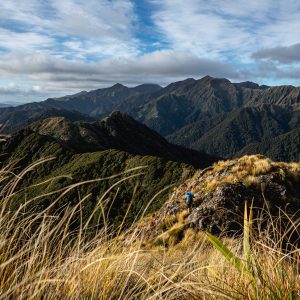
On spurs or ridges there is often no water, or only limited options. The loss of water from sweating while climbing can have a serious effect.
The conditions
Sweating sheds water, so you need to drink a lot more. One day, in near heatwave conditions, I drank almost four litres. The sidestreams I’d passed earlier were dried up and I ran out of water. By the time I reached a source around 5pm, I was dehydrated.
Water quality
Check your map to see where a water source originates. Always treat water that comes off farmland. When conditions are dry, streams may have low flows and lots of algae. Tarns and small lakes may also hold water of poor quality.
It is better to take water from the intake if possible. Even large lake edges may be contaminated, particularly in the shallows or if it hosts a lot of birds.
High silt loads in floods can render water undrinkable unless it is strained through a cloth or filtered.
These situations highlight the importance of carrying a water filter or a product like Aquatabs.
Solutions
Ensure you take enough water to allow for any delays that may occur, or in case you are unable to top-up along the way. I carry an empty three-litre water reservoir that I can fill if I think water may become scarce.
Preloading – drinking plenty before heading out – is a good idea, especially if you expect to be sweating early on before you pee out the surplus.
Always check a map, which will help you make good decisions on how much water to carry.