Cycling for change

February 2018

Read more from

February 2018

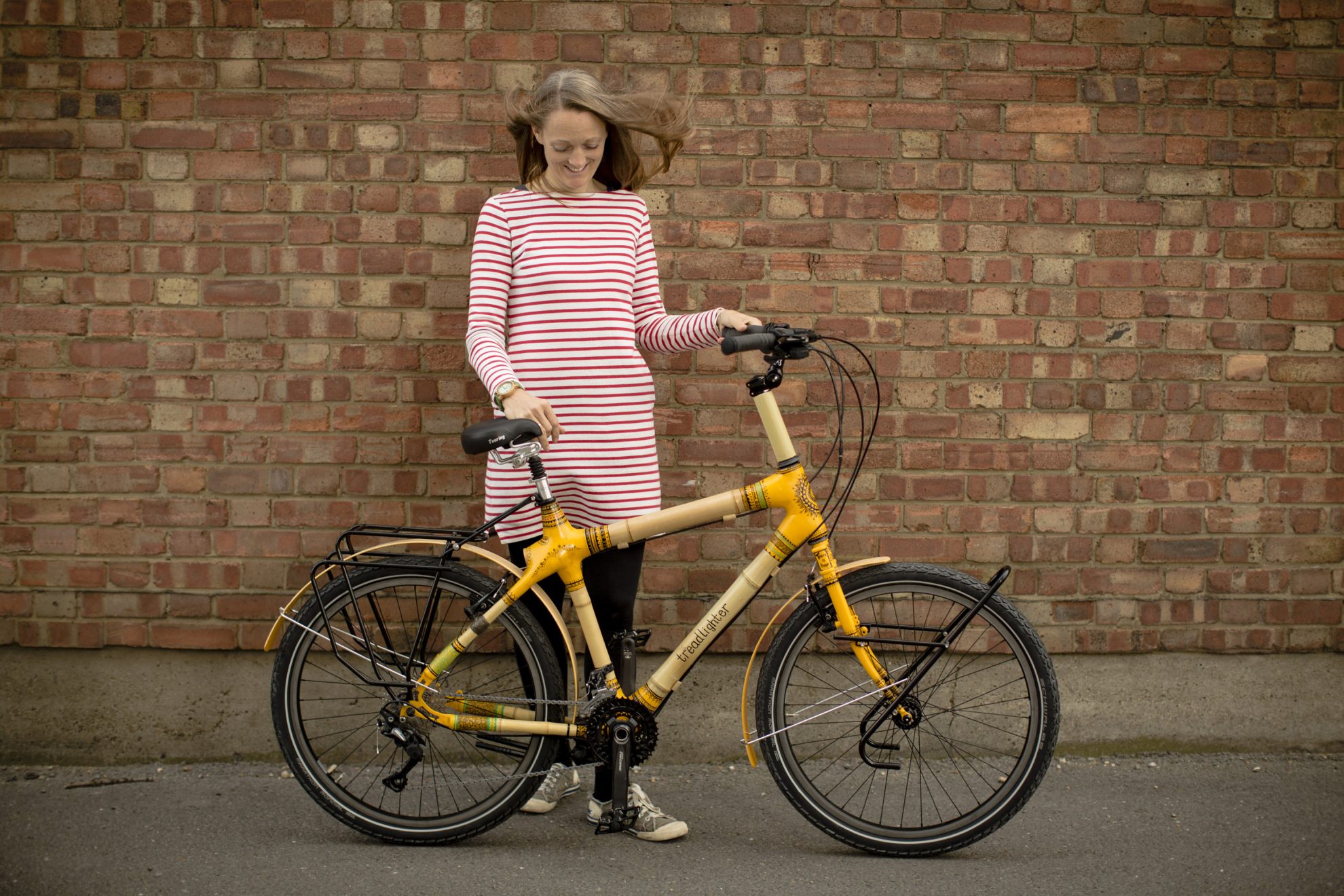
Libby Bowles travels to schools on her homemade, bamboo bicycle. Photo: Supplied
Libby Bowles is cycling around New Zealand, inspiring children to ‘tread lighter’ and help reduce the amount of plastic entering the ocean. 

For the past month, Libby Bowles has been biking around the North Island, speaking to school students about plastic in our oceans. The inspiration for her tour, which she calls Tread Lighter, came from a surprising source.

One day at school in the UK in early 2017, Bowles was giving her students an impassioned speech about how they could change the world when a 10-year-old boy spoke up.

“If you really love the sea, and you keep saying we can change the world, why aren’t you doing something about it?” the boy asked.

“He had no idea what effect he had on me,” Bowles said. “I went home that night and realised that everything I said just sounded like a lame excuse, and actually, it is that simple to do something about it.”

The next day, she returned to her classroom and asked her students’ help in planning for a project.

The class suggested she spread her message in schools, and that to do it sustainably, she should travel by bicycle. But not just any bike: a homemade, bamboo bicycle. They helped her design aspects of the bike such as a fan and a dynamo so she can charge her cell phone on the move.

After building the bike, Bowles chose to come to New Zealand because she’d spent four years here previously and thought it would be a safe place to cycle for several months.

In the first month of Bowles’ bike tour, she has spoken to 2000 children at schools and community groups. She’ll be riding around the country for the next several months, reaching as many kids as possible.

Her presentation focuses on avoiding single-use plastic; she teaches the four ‘Rs’: refuse, reduce, reuse, recycle. She tells students about her research on manta rays and whale sharks, explaining how their habitat is affected by plastic in the oceans.

“I show them the things that are washing up on the beach that are made out of plastic, 75 per cent of which are single-use plastic. We look at what those single-use plastics are, and then I ask them what we can use instead of those things.”

That way, the students come up with the solutions and can take ownership of their ideas.

To demonstrate to kids the power of their actions, she tells the story of one particularly inspired five-year-old who, after her presentation, went to a cafe with his parents.

“He ordered his drink and in a big loud voice said, ‘I don’t want a straw because I like turtles and I don’t want my straw to end up in the sea’.”

His declaration made an impact: the three adults behind him followed his lead. That’s the type of action Bowles says is powerful, and it’s why she chooses to speak to students.

“When kids hear that story, they have this revelation that they could be superheroes and ambassadors of change without even telling other people what to do. They just need to go and be awesome, and it will spread like an amazing ripple.”

Meghan Walker

About the author

Meghan Walker

More From Wild People

Related Topics

Similar Articles

Chasing vertical

Tom’s extraordinary trip to the tippy-top of Tappy

100 peaks in one summer

Trending Now

Kãnuka Loop Track, Bendigo Historic Reserve

What’s the big attraction of the Old Ghost Road?

‘The hut my dad built’

Cascade Hut, Kaimanawa Forest Park

High country gold

Subscribe!
Each issue of Wilderness celebrates Aotearoa’s great outdoors — written and photographed with care, not algorithms. This Christmas, subscribe or gift a subscription and help keep our wild stories alive. It’s the perfect way to connect with friends and whānau who love the outdoors as much as you do.

Join Wilderness. You'll see more, do more and live more.

Already a subscriber?  to keep reading. Or…

34 years of inspiring New Zealanders to explore the outdoors. Don’t miss out — subscribe today.

Your subscriber-only benefits:

All this for as little as $6.75/month.

1

free articles left this month.

Already a subscriber? Login Now