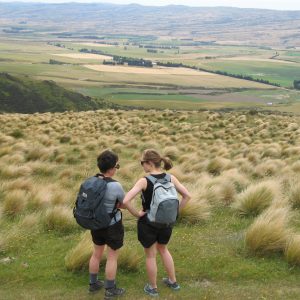
Hypothermia is a leading cause of death in the outdoors, and wearing cotton clothing may increase your chances of succumbing to it. What makes cotton so rotten?
New Zealand conditions change suddenly, and hypothermia can set in on even a short trip. Hypothermia occurs when your core temperature drops and you don’t have enough energy to warm yourself up.
Cold, windy and wet
Cold, windy, or wet conditions increase the risk of hypothermia. Two of these conditions together are worse than any one; all three together are extremely dangerous.
Appropriate clothing is one way to protect yourself. The right clothes will insulate you from the cold, act as a barrier to the wind and keep your skin dry.
It doesn’t have to be raining for you to get wet. Sweat forms on your skin, mist can soak you, and crossing a river or drinking from a stream may make you wet, as can snow or a waterfall’s spray. If the wind then picks up or the temperature falls, trouble can set in quickly.
Air movement across a wet surface takes moisture with it. If the moisture is being taken from your skin, some of your body heat will go, too. This is how sweating cools you down – great when you are hot, dangerous when you are cold.
When it’s cold, you need clothing that insulates you from the conditions. To help keep yourself dry, choose quick-drying base-layer clothing that wicks water away from your skin and into your outer layers so that any wind is not taking body heat from you as moisture is evaporated from outer layers.
Clothing or shelter that breaks the wind will help to protect you from the cold. Something as simple as getting in the lee of a hill or a rock can make you feel warmer in windy conditions.
What’s wrong with cotton?
When cotton is wet, air pockets in the fabric fill with water and it loses its insulating powers. Cotton has no wicking properties, so wind pulling water off the cotton will take body heat with it.
Because cotton absorbs many times its weight in water, it also takes a long time to dry. Wet cotton is heavy and will stick to your skin.
If you are wearing wet cotton and the weather becomes windy or cold, it is better to remove the cotton clothing.
Fabrics
Cotton goes by various names including flannel, denim, corduroy or duck. Cotton blends should also be avoided. Manufactured fabrics that hold water include rayon, modal, Tencel, viscose and lyocell. Many bamboo products also absorb water.
Wool is not great at wicking and will hold quite a bit of water when wet, but unlike cotton it retains its insulating properties. It is an acceptable fabric for tramping. Quick-drying synthetic fabrics are also acceptable.
When heading out for a tramp, take warm and quick-drying clothes that will protect you from the cold, the wet and the wind – and don’t take cotton.