Walking 3000km will take a toll on your gear, especially your shoes.
Colin Hancock from Trek & Travel in Hamilton says footwear is the biggest problem he helps Te Araroa walkers with. “The last couple of years have been wet, and many people are using trail running shoes, which aren’t designed to do what they’re doing,” he says. “By the time the hikers get to Hamilton their shoes are wrecked. But many people like the fact the shoes are lightweight and dry quickly and seem to budget for three to four pairs over the whole trail.”
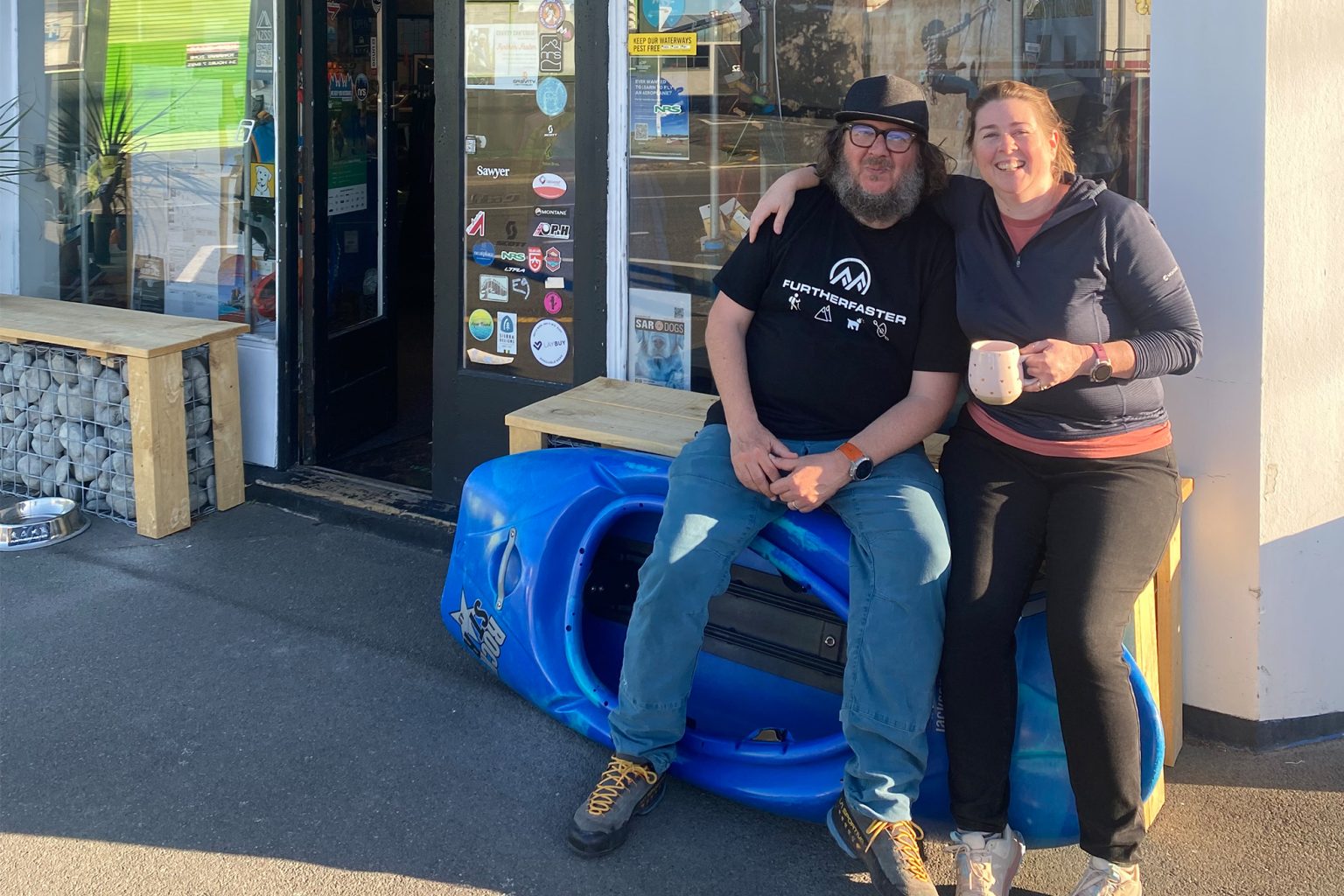
Julz Christy from Further Faster in Christchurch agrees: “We don’t get many issues with hiking boots as most people are wearing trail runners. When these are worn every day, the foam doesn’t have time to decompress, which can make them wear out quicker. As well, depending on the weather, some footwear is wet for days on end, which breaks down the fabric; and grit doesn’t get shaken out and acts like sandpaper in the shoe.”
In Christy’s experience, Te Araroa walkers can go through multiple pairs of shoes. “Some get away with two pairs, but some might need up to five,” she says.
Veronika Laskova went through two and a half pairs of shoes on Te Araroa. “I recommend having dental floss and a needle to fix your shoes as you go along,” she says.
Wear and tear also depends on how you walk, says Christy. “Some people are super agile and can hop, skip and jump on technical terrain. Others will drag their feet over rocks and roots, which puts more strain on the footwear.”
By the time hikers get to Canterbury, they’re often after a new pair for the next section. “Sometimes we can patch them up, but a lot have to be thrown out,” says Christy. “If they’re not too grotty we give them to the Speed Freaks charity, which can make use of them.”
Both Hancock and Christy say there’s been more consideration by walkers in their gear preparation. “A couple of years ago we had a run of people buying things like packs, but this year people seem to have come more prepared,” says Hancock. “We’ve noticed they haven’t had the problems some walkers have had in the past.”
“People are becoming more educated and aware of their gear needs now. More hikers are doing Te Araroa and sharing information on the terrain,” says Christy. “The trails here are much more gnarly than long-distance trails elsewhere in the world, and the weather can be so variable. We try to educate people on that and find they’re really good at figuring out what they want to compromise on.”