With the spring snowmelt gone, temperatures warming and summer arriving, most of New Zealand’s canyons are ready to be explored.
A canyon is ‘in season’ when its water flow is at a suitable level for a descent, with both the air and water temperature being manageable. New Zealand’s canyoning season is November through to April, although this varies depending on a canyon’s location and nature. It can be all year around in the upper North Island.
Canyoning in New Zealand author Daniel Clearwater says trampers have been canyoning for decades, but these adventures are usually known as ‘gorge trips’.
For those interested in expanding adventures into canyoning, he says it’s best to learn from more experienced canyoners.
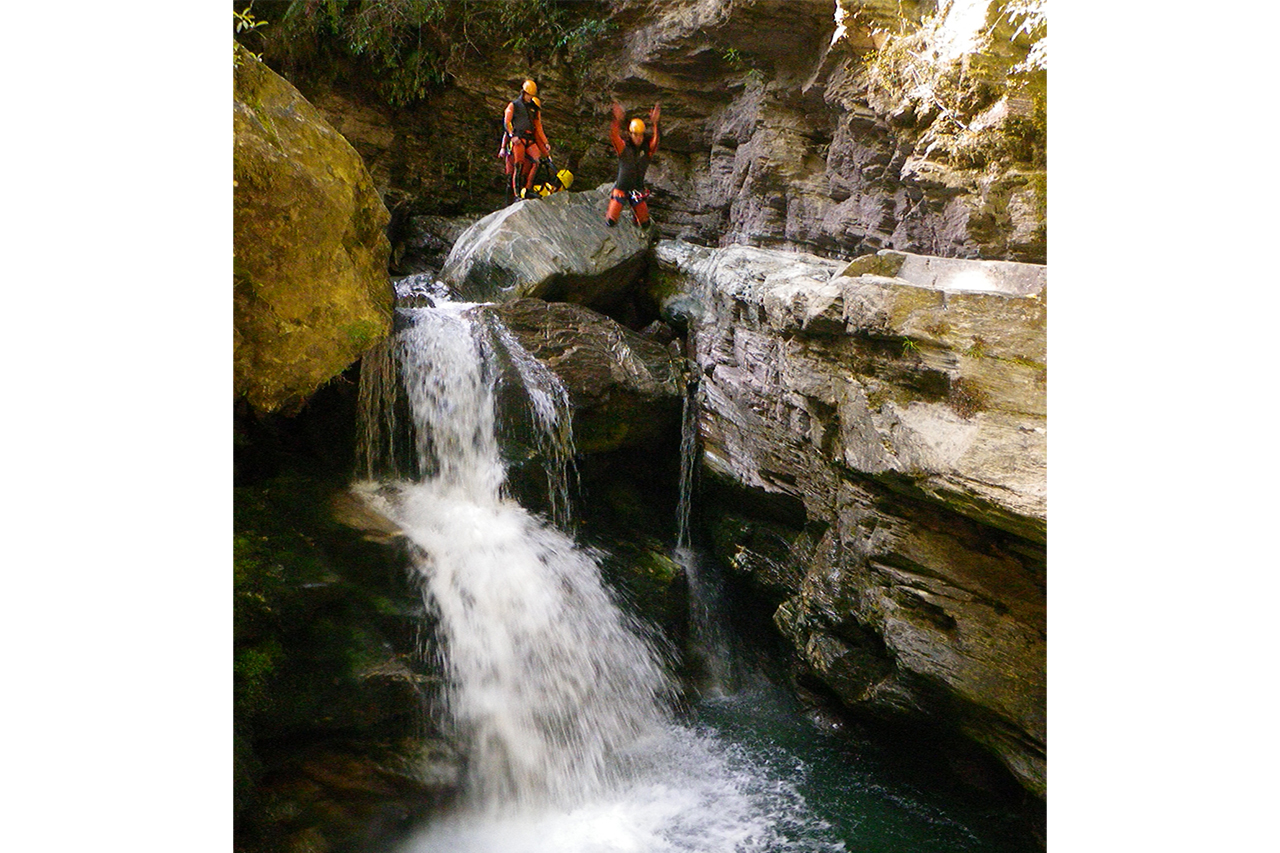
“Canyons can be very technical and committing; often you can’t escape once you’ve begun, so you can be committed to the whole descent as soon as you complete the first abseil or jump.”
Clearwater says New Zealand is still in the ‘golden age’ with thousands of canyons to be explored.
“Although many of the obvious canyons near to roads have been explored, one valley back from the highway is virtually untouched,” he says.
Canterbury has the largest range of accessible canyons, from short, easy trips in the eastern foothills to difficult alpine multi-pitch descents near the Divide. Over the Alps are the challenging white-water canyons of the West Coast.
Dan’s canyoning trips for beginners:
Atiwhakatu Stream, Tararua Forest Park: a great intro on a hot summer’s day.
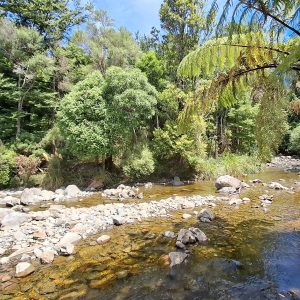
Kauaeranga Valley Gorge, Coromandel: a great float, swim and scramble.
Pukehinau Canyon, Tongariro Forest: a short swim through a limestone gorge.
Doom Creek, Mount Richmond Forest Park: slightly more technical with a short abseil, tricky downclimbing and technical jumping. A great trip for beginners led by an experienced canyoner.
All trips require wetsuits, helmets, grippy footwear and good scrambling and swimming ability.
Visit kiwicanyons.org for information on trips and courses.