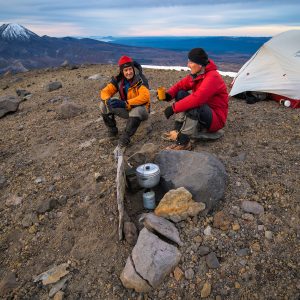
If you camp the Great Walks, you are almost guaranteed a booking and will experience the sights and sounds in a more intimate way.
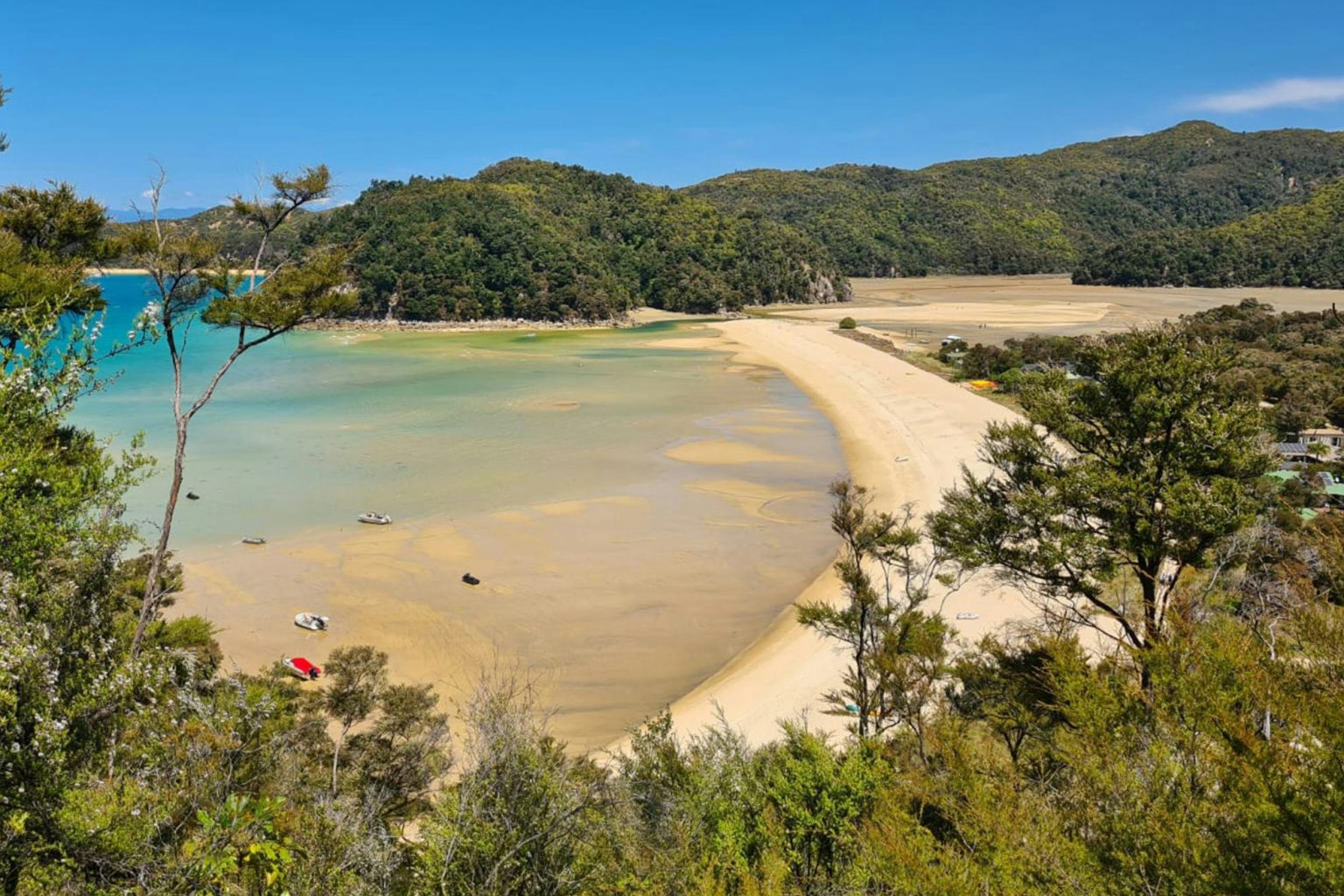
When the bookings for Great Walks opened, Jo Penny’s family had two people on the job. One was assigned to book huts; the other to book campsites. It’s no small feat to get 17 places on a Great Walk, especially the Abel Tasman Coast Track in the height of summer, but they managed it.
Auckland-based Penny, her husband, her brother and several nieces slept in tents; the rest of her teenage and adult children, her mother, stepfather and some nephews were in the huts. Penny recalls diving into her tent through a cloud of mosquitoes. “You know when there’s just one mosquito whining, and it’s really annoying?” she asks. “Well, it turns out if there are many, it’s just a gentle hum.” Squashed mosquitoes aside, Penny recommends the Great Walk camping experience.
“It was nice to know what your bed would be like every night, instead of arriving at a hut and having to see what was available,” she says.
Camping spots on Great Walks are also less likely to be booked out. DOC ranger Marion James of Nelson Visitor Centre says that outside of absolute peak times – between Christmas and New Year – there is usually capacity for camping on the Abel Tasman.

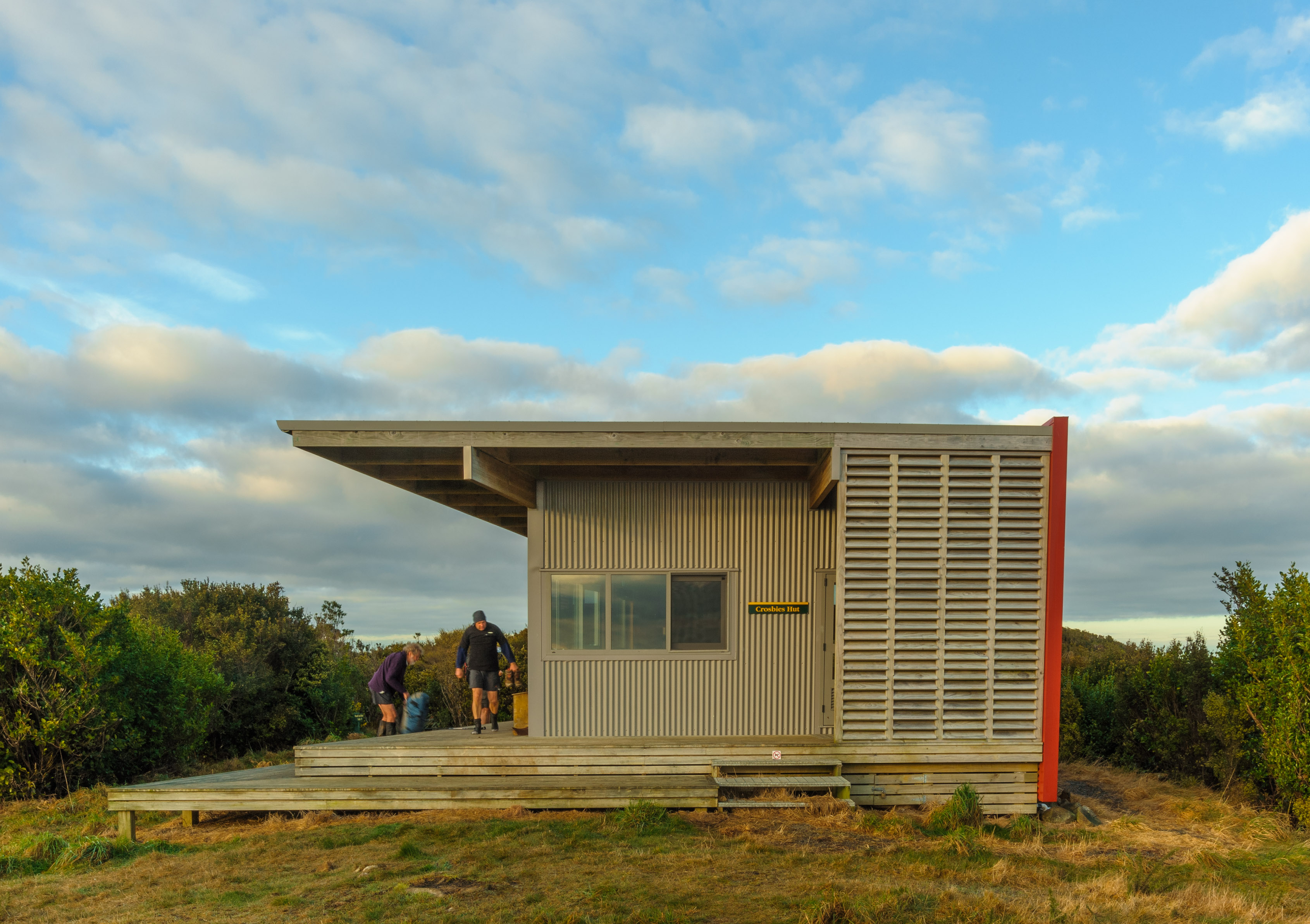
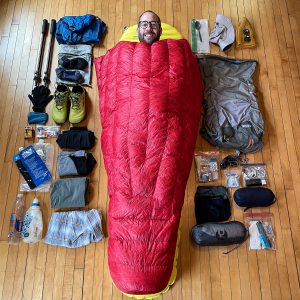
Campers are not supposed to use hut facilities and may be asked to leave a hut if it is full in the evening. They do, however, have access to a shelter at most Great Walk campsites and must provide their own cooking equipment as well as a tent and sleeping pad.
“After a long day of walking, being able to sit under a roof and sort your gear without getting soaked is great,” says Ben Boland, a tramper from Manawatū who camped on the Rakiura Great Walk.
Wellingtonian Rayne Aldridge walked the Routeburn and says the main appeal of camping was price: “Camping was the only way to make it work.” For Kiwis in summer, Great Walk huts can cost as much as $106 per night for an adult on the Milford Track and $88 on the Routeburn and Kepler. People from overseas pay even more.
In contrast, the most expensive campsites on the Routeburn and Kepler are $28 per night. “It’s a more affordable option, and great for bigger families and groups,” says James. DOC rangers conduct random checks at campsites to make sure everyone has paid their fees.
Boland recommends thinking about comfort if you intend to camp: “For me, a proper sleeping pad is non-negotiable, and I’m sold on inflatable pillows.” His partner Emma Somerville likes to bring a hot water bottle, too. “It’s worth the extra weight,” she says.
Although Aotearoa doesn’t have any large pests that pose a risk to humans, there are some things to watch out for. “If you leave your pack outside, weka smell the food and come rummaging,” Penny says.
Camping can be a better option for privacy, too. Penny appreciated being able to get changed in private, something that can be difficult in a busy hut. Her brother’s main reason for camping was “not to hear other people snoring”.
James has camped on both the Heaphy and Abel Tasman and thinks the thin walls of a tent make for a better auditory experience. “Instead of hearing all the people in the hut, on the Abel Tasman you have the sea, the lapping of waves, the dawn chorus. On the Heaphy you sometimes hear kiwi at night.”
You might need mosquito repellent and extra layers, but James thinks camping a Great Walk is a good introduction to other trips. “It can really open you up to more adventures in the backcountry,” she says.
Boland has a particular memory of sharing snacks with other trampers while watching a “cinematic” sunset on the beach in Rakiura. “Camping gave us those memorable moments you don’t always get inside four walls.”