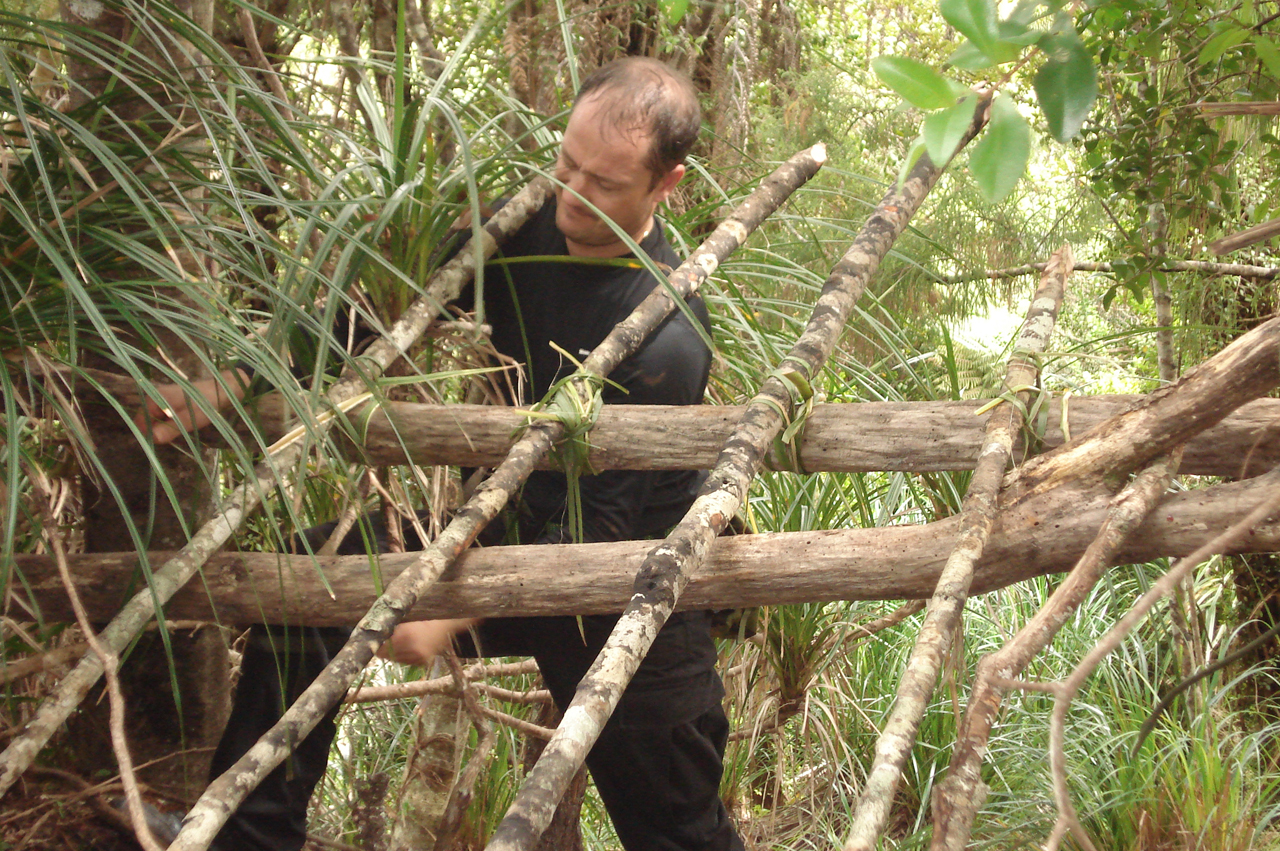
If you were suddenly thrust into a survival situation or unexpected extra night under the stars, do you have the skills, knowledge and practical experience to construct a shelter to protect you from the environment using only materials found around you?
A well constructed shelter will protect you from the elements: keeping out the wind, rain, sun, cold and snow. The shelter provides a safe dry place to rest and sleep and can aid search and rescue locating you.
Before 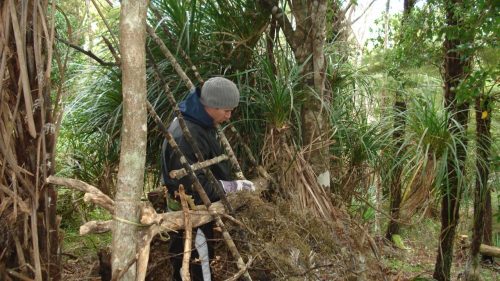 deciding on the type of shelter, look for what the environment has to offer. A fallen tree or the base of an uprooted tree, a log, tall scrub, overhanging rocks, hollows, the side of a bank, are ideal as they all only need a few branches and a covering of debris on top.
Don’t waste time and energy constructing elaborate structures if you don’t have to – emergency shelters are good for short-term survival and can be whipped up in a matter of minutes.
Site your bush shelter near a natural windbreak, water source, track or clearing for signaling search and rescue and near construction materials and firewood.
Size and angle of shelter is important. The bigger the shelter the harder it is to heat and a roof angle of 45-degrees is required to aid rain run off.
Your shelter may be made from a framework of saplings well lashed together using vines, supplejack, flax, tree roots. Roofing materials include, ferns, bark, branches, leaves and any debris. If you can see daylight from the underside of the roof you will need more material on top. A basic natural learn-to shelter can be constructed in less than four hours.
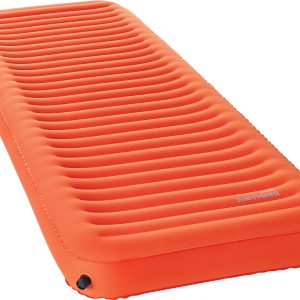
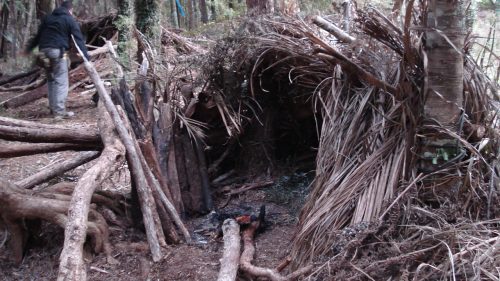 Avoid lying directly on the ground by building a bed. This will improve comfort levels and reduce the amount of energy your body uses to keep warm and lead to a better night’s sleep. You can use palm fronds, pine needles, dry moss and leaves to insulate yourself from the ground.
Your shelter is the primary means of protection from the elements. Its effectiveness could mean the difference between you getting through a long cold night or not.
By Stu Gilbert: a former Air Force survival instructor now running SOS Survival Training
34 years of inspiring New Zealanders to explore the outdoors. Don’t miss out — subscribe today.

Questions? Contact us