A volunteer backcountry hut repair group is anxiously awaiting a funding decision from DOC.
Permolat Southland is a network of volunteers looking after some of Southland’s most remote huts. The group’s chairperson, Greg Wilson, said huts they worked on in the deep south needed everything from a quick paint job to a total rebuild. Their funding has primarily come from the Backcountry Trust (BCT), which is supported by DOC. Volunteers like Wilson are concerned they haven’t received assurances that funding will continue after May.
DOC’s West Coast operations director Mark Davies said the department had invested more than $4 million in the Backcountry Trust since 2019. He confirmed BCT had applied to the DOC Community Fund, and the application was currently being assessed against the fund’s criteria. Since its inception in 2017, Backcountry Trust has funded the restoration of over 250 huts.
Wilson shared with Wilderness the importance of funding for groups like Permolat Southland.
Why is funding groups like Permolat essential for maintaining backcountry huts?
The funding arrangements through BCT are working really well for community groups all over the country – it would be a huge backward step to cease it. Funding these huts is about the very fabric that makes us New Zealanders. It is time spent in the backcountry where we are forced to face ourselves and learn self-reliance. It’s those things that give us the unique qualities New Zealanders are known for the world over. With a comparatively small amount of funding, we can maintain the infrastructure so it’s always there for future generations, enabling people to learn what only wilderness can teach.
What was the biggest project Permolat Southland undertook last year?
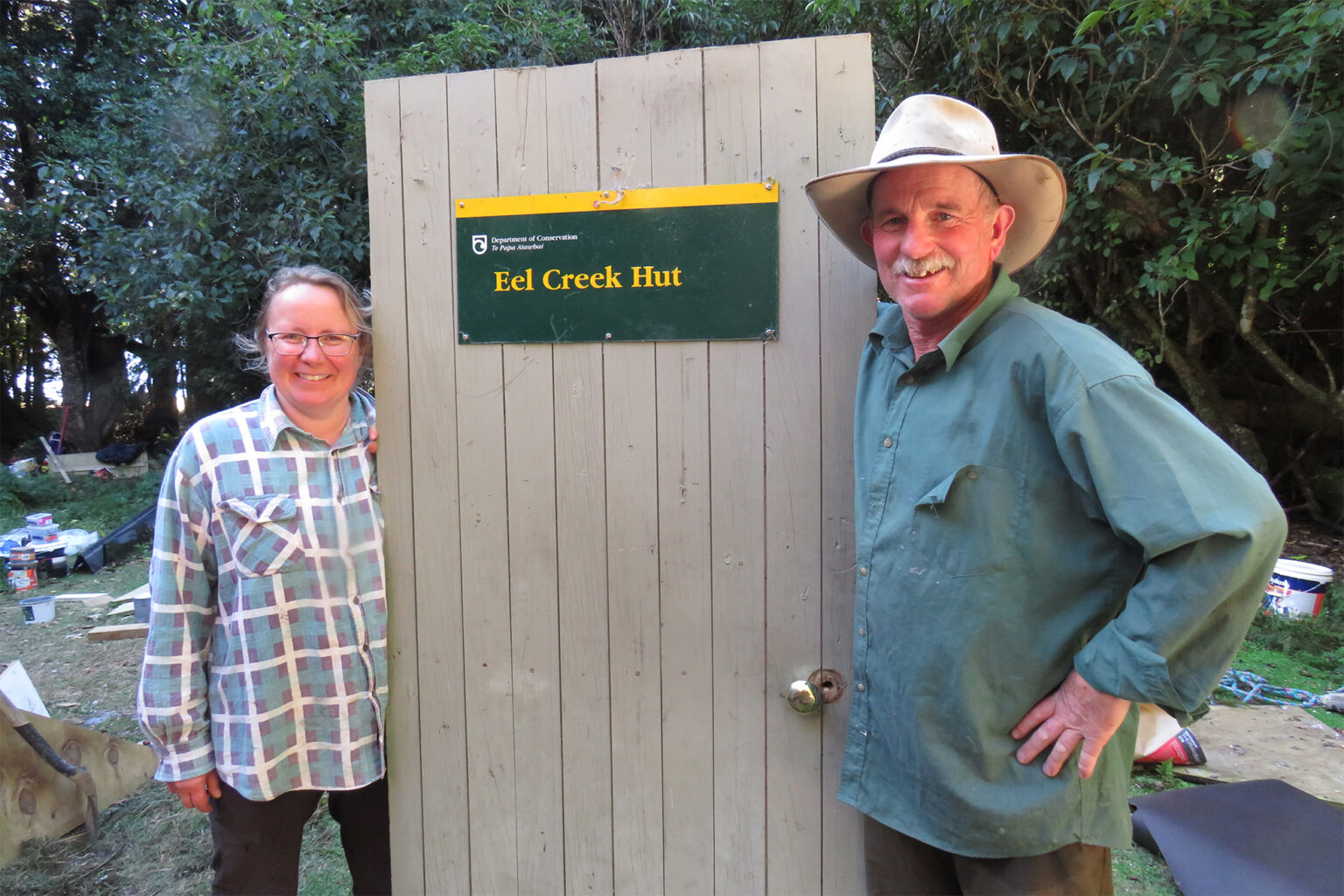
Eel Creek Hut in Fiordland National Park. This required a total strip down to the steel frame, which was sanded and painted before the entire hut was re-clad, lined and the fireplace rebuilt with a new wood shed and porch added. All materials and volunteers were transported by boat and it took three days to complete – that doesn’t include the months of organising that went into it before any work was started.
Where did your personal passion for restoring huts come from?
I have early memories of a hut in Taranaki’s Moki Forest that my father helped build. We knew it as the Boys Brigade hut (built by the Waitara Boys Brigade), but it’s now known as Rerekapa Hut and is managed by DOC. A love of hunting has kept me exploring the backcountry to this day. The experiences associated with these structures and the people I’ve met in them drive my current passion for maintaining huts. Also, as I get older this volunteer activity keeps me ‘out there’ in a world that too easily traps you at work and home.
Mt Somers via Te Kiekie Route, Hakatere Conservation Park
Subscribe!
Each issue of Wilderness celebrates Aotearoa’s great outdoors — written and photographed with care, not algorithms.Subscribe and help keep our wild stories alive.