

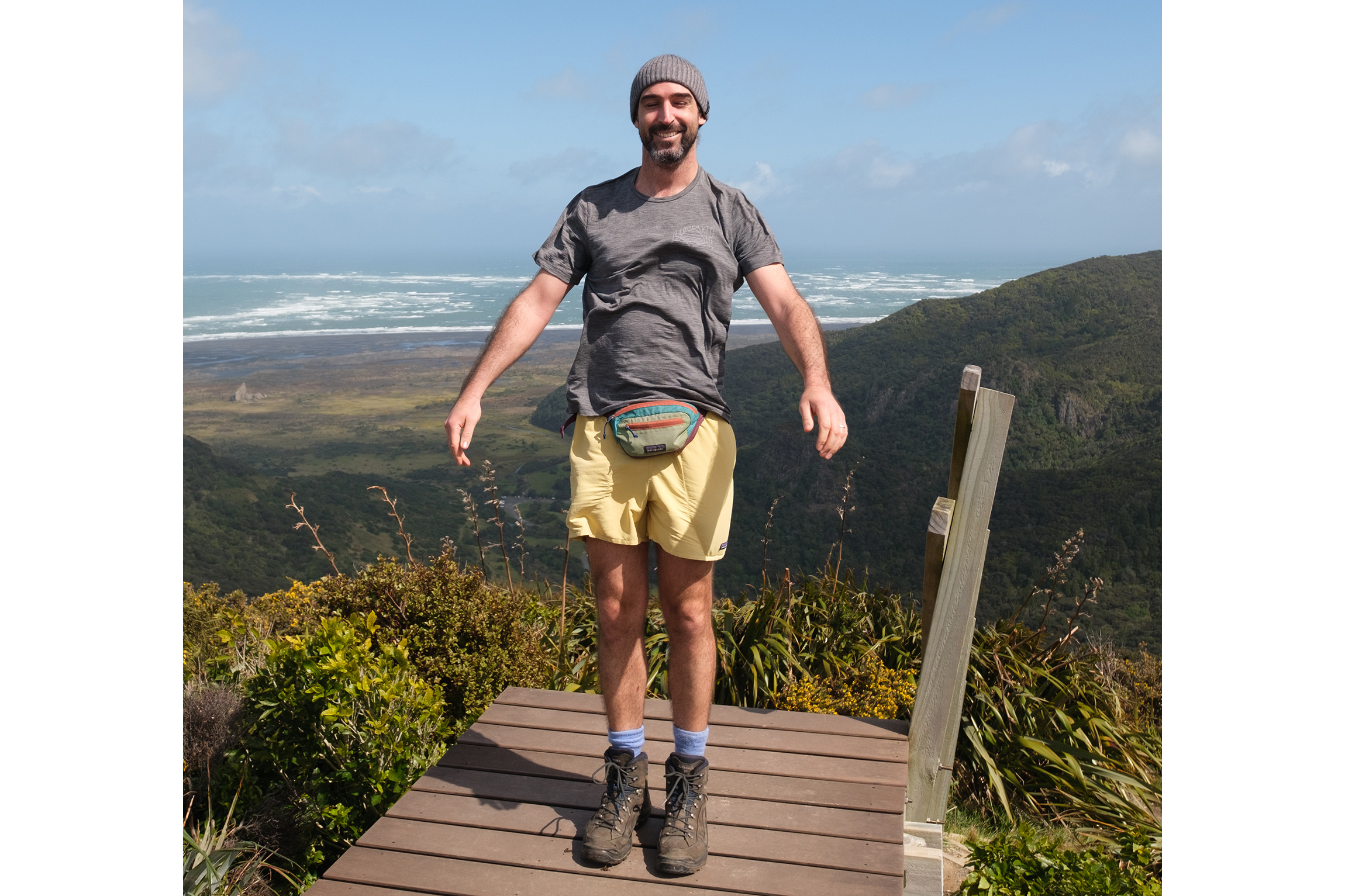
That stubborn streak has not waned with the new generation. Several times I have tried in vain to offer spare gear to teens who have gone without a mattress or warm gear, and several times I have been denied. To keep weight down, some opted to sleep on the ground with no mat in early September. Maybe it was stubbornness, but there were no morning complaints.
The resilience of today’s teens is often put under the microscope, but I’ve been consistently and pleasantly surprised. On a mountain-biking mission in Rotorua a student came off on a bend and pierced her thigh so viciously that globules of fatty tissue erupted out of a gaping 2cm hole. We advised her not to look at it, patched her up as best we could, then it was back on the bike and down to the nearest road access for a trip to A&E.
On camping trips the kids have endured breadroll dinners, soggy trainers and nights on the ground with gales flattening their tents, all with few to no complaints. They’re happy to be out there, and the struggles make stories.
Endurance in the outdoors is different to on a court or playing field, where injury or fatigue can be placated by substitution or a sit on the bench at half-time. In the outdoors, once you’re in it, you have to see it through. The biggest motivators I’ve discovered for tramping teens, by the way, are lollies and games – anything to take their mind off the hills.
One thing I could never have prepared for is the number of questions I get asked on an expedition. Most of them are hill-related, to be fair, and many start with a perplexed “wait, so we have to …?” I remember a student at the cooking shelter in Whatipū ogling the morning’s climb and asking, “Sir, do we have to climb that today?” Unfortunately, the true summit of the day was concealed by a hill in the foreground, so I moved him 5m to the right, pointed to our true destination and said, “No, THAT is our summit for the day.” His eyes popped out of his skull, and I suggested he ask no further questions he didn’t want the answers to.
It’s a powerful lesson for kids to look up at a hill and think it impossible, only to stand on the summit a few hours later, and I feel it’s an apt metaphor for many of the learnings that come with tramping. Yes, they will ask 30 questions an hour, but they will answer their own questions in the doing and find new limits they didn’t know they had.
Gear tends to be entry level at best, and much of it is borrowed from school or relatives. One student walked for three days in her black school shoes (also her work shoes). She didn’t complain, even when the pooling mud soaked through her socks. It’s genuinely a nice reminder that gear doesn’t have to be a barrier to the outdoors – something we experienced trampers tend to forget when a sale lights up our inbox.
The prevalence of phones is perhaps the biggest change in gear since I completed my gold award. I don’t remember there being any phone presence during my expeditions, and if they were there, they’d have been useful only for texting Mum or a game of Snake. I don’t recall any anxiety or missing connection, but there wasn’t much to miss – no group chats, apps or mobile games to speak of. Kids today don’t stand a chance.
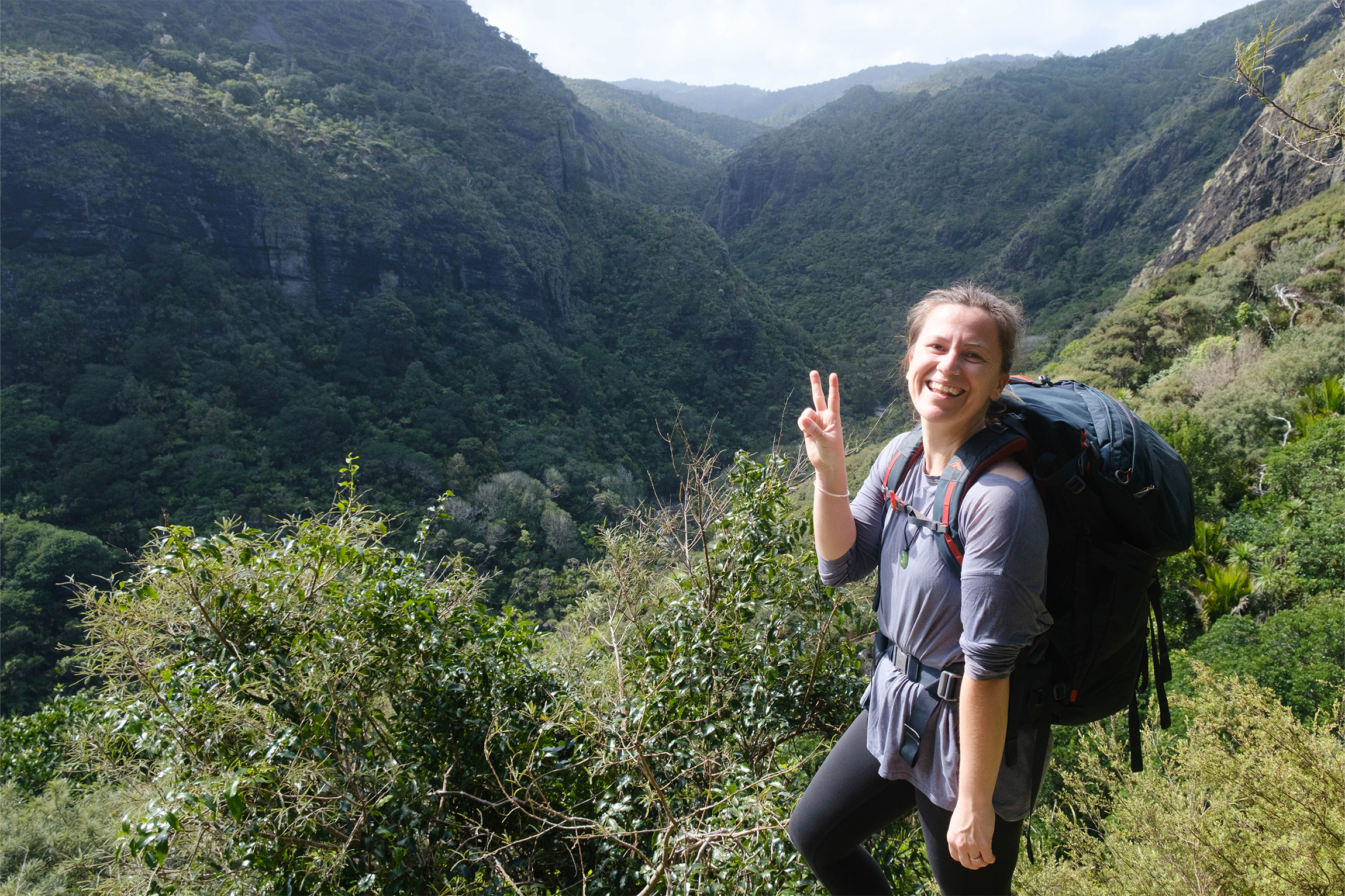
Adults know the struggle of phone addiction all too well, but for teens the odds are stacked even further in favour of tech giants. Social media ‘streaks’ hold friends accountable to one another, and I have observed kids feeling pressure to contact friends daily in order to keep their streak alive. It’s easy to scoff at this scoring of ‘meaningless’ internet points, but for the young ones, these are important stitches in their social fabric, and it’s all they have known.
In the face of these nefarious social media tactics, some seemed to enjoy the chance to unplug, and I suspect not having a choice in the matter provides a necessary alibi for them to disconnect. One even commented on her relief at being able to escape the friendly ‘spamming’ of group chats. What will happen when mobile reception pervades every inch of the outdoors I do not know, but the prospect doesn’t fill me with hope.
Surprisingly, for me the most rewarding aspect of the trip isn’t getting teenagers into nature but rather seeing them connect with fellow hikers and engage in the tramping culture we so cherish. I love to watch them strike up conversations with others in a hut or offer to start and maintain the woodburner. They are respectful and quiet in bunkrooms and take ownership of the kitchen cleanup, sweeping and wiping benches. Other walkers are greeted with a friendly hello, and some of the kids go out of their way to involve others around a hut table. I am proud of them.
Costs and health and safety are two aspects of the programme I was never privy to as a student. Budgeting for huts, campsites and transport is very affordable – that’s why we do it, right? But the problem arises when relievers are required to cover teachers leading a trip. The cost of a day’s relief is significant, and if the group isn’t large enough to absorb the cost, it can price students out of the experience. This has meant planning the trips during term holidays when relief isn’t required.
Health and safety procedures are likely the bane of any workplace, but in teaching there is an extra level of responsibility there as the kids are under your charge for multiple days and nights. The paperwork is immense, and every risk – from treefall to illness to personal medication and river crossings – must be identified and assessed. Quite honestly, it’s overwhelming, and without the patience and help of senior members of staff, I wouldn’t have gotten any of my trips over the line.
So, with a few years of Duke of Edinburgh experience in my pack, what’s my key takeaway? The kids are alright.



