The gannet colony at Muriwai is a favourite spot for bird watchers, but whether by accident or design not everyone is respectful of the birds. This guide to ethically watching the birds will help ensure visitors do not cause harm.
The Muriwai gannet colony is a very special spot in Auckland. It’s a place that has brought many people close to nature, leaving them with a sense of wonder and admiration for the birds that nest here.
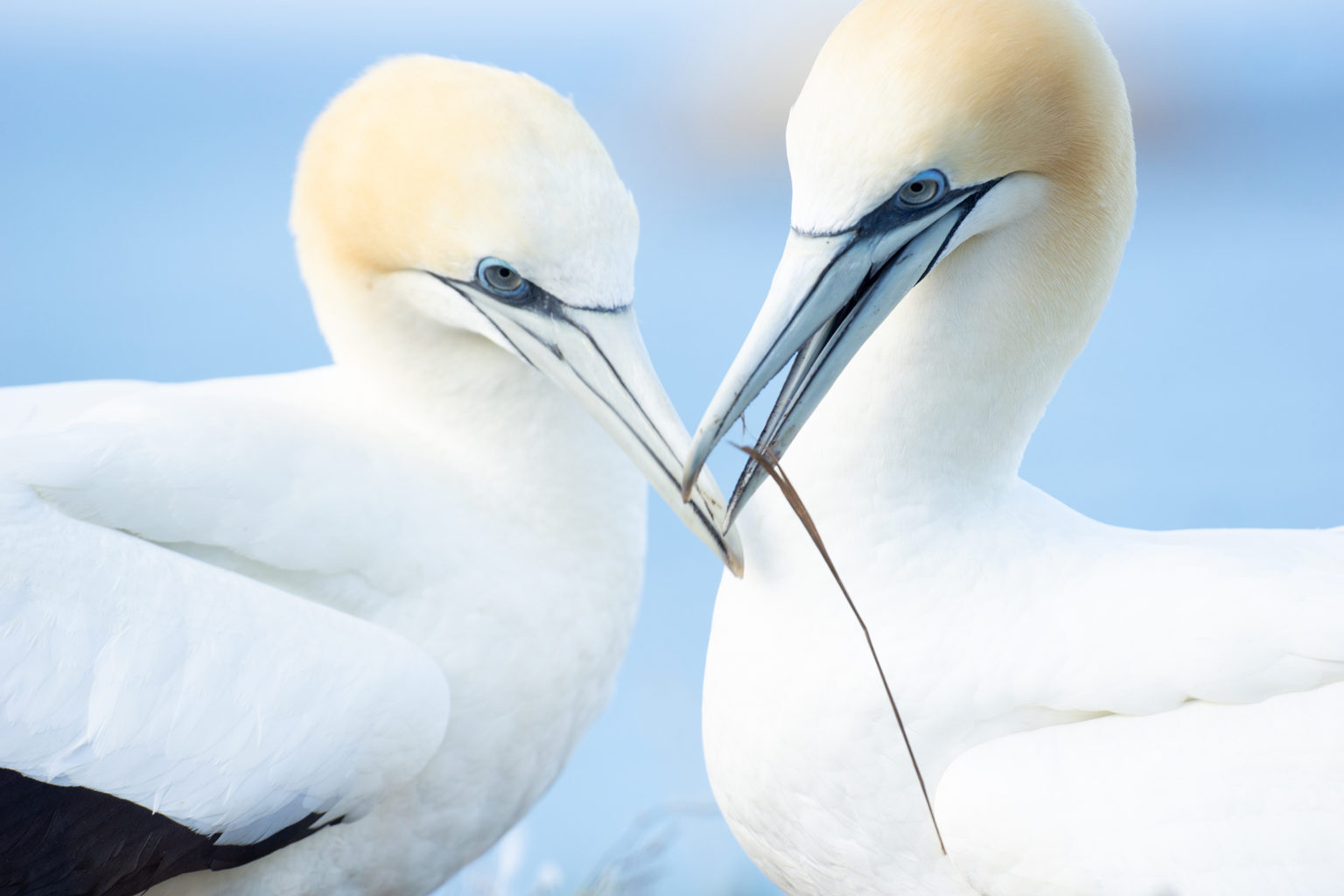
The Australian gannet, or tākapu, calls Muriwai home for roughly six months of the year. They mate here, construct nests, lay eggs, and raise chicks. All on sometimes rather precarious cliff edges.
However, with easy access comes the potential for these birds to be harmed by people. In March, eight tākapu were shot and killed by someone using an air rifle. An investigation has been launched by the Department of Conservation and the police.
While the deliberate shooting of these birds is at the extreme end of animal abuse, seemingly innocuous activities can disturb the birds that nest at Muriwai. Here’s how to ensure your visit does as little harm as possible.
1. No Drones
A permit is needed to fly drones at Muriwai Regional Park. Drones cause stress to the birds, as well as causing them to have a predator response to this alien device. This means they may attack the drone, which can distract them from seeking food or looking after their eggs or chicks.
Drones can also interrupt foraging behaviour and disturb courtship.
2. No feeding the birds
Tākapu are perfectly capable of feeding themselves, with their favourite food being mackerel, kahawai, pilchards, and anchovies. They catch prey by diving into the water at speeds up to 100km/h and diving to depths of up to 20m. Feeding them human food can be harmful and also encourage rats, which can prey on eggs and chicks.
3. No throwing things
Don’t throw things at the birds (children have been known to throw toys and other items at them).
Don’t poke selfie sticks into the gannets’ space. There are plenty of selfie opportunities to be had around the beach.
4. No Dogs
Dogs are not allowed to visit the Muriwai colony. They can injure or kill birds quite easily.
5. Do not litter
Seabirds have been known to ingest plastic as well as feed it to their chicks. Some birds have died from starvation as their stomachs become filled with plastic. Rubbish can be seen around the colony. Some nests are even made from plastic debris.
Make sure all your rubbish is taken home. And if you see some rubbish on the path, be a good Kiwi and pick it up (do not go into the colony, beyond the barrier, to collect rubbish though).
Whenever you go to the colony, be respectful to the birds, and if you see someone being not so kind to these birds perhaps share your knowledge about the colony, but, if the situation warrants it, tell the Department of Conservation.











Adventures don’t have to be big