Letter of the month
An Aoraki plan W
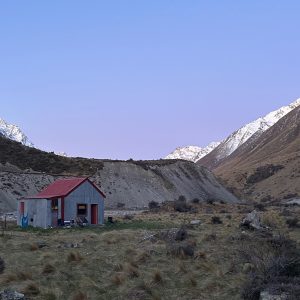
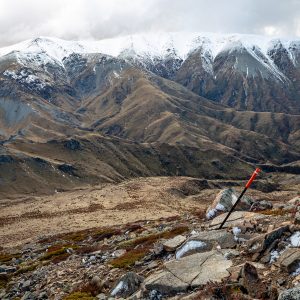
I’m writing about Ruataniwha Conservation Park, which seems to be a forgotten reserve among trampers or one that is overlooked by those more keen to explore the highlights of Aoraki Mt Cook National Park.
Access is about 10km up the Aoraki Mt Cook Highway from Ōmarama at a hard-to-see DOC sign on a steep roadside bank.
A path leads through tussock and mānuka with glorious photo opportunities of the Main Divide, Lake Pūkaki and the wider Mackenzie Basin. Easy trails lead into a beech forest remnant with abounding birdlife. Continuing for a couple of hours to an old snow fence and then a low saddle (Ostler Fault), you will find views of the upper Twizel River (known as Duncan Stream) with Baikie Hut down the valley. Return the same way or via Baikie Hut. The grade is moderate and the trip can take all day if you want it to.
If it’s tipping down up the Hooker or Tasman, this is a good plan ‘W’ – i.e. wet.
– John Sweney
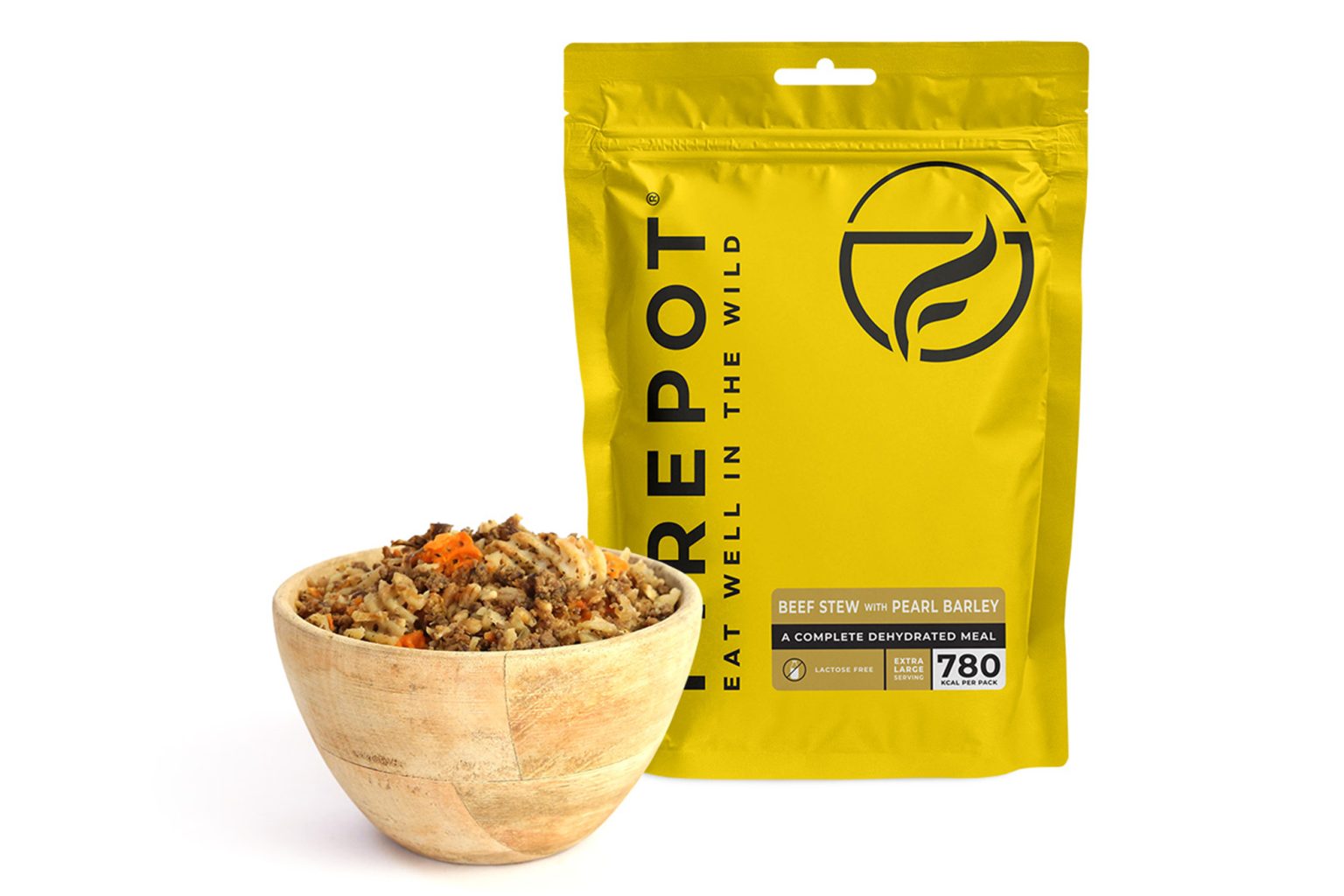
John wins five Firepot dehy meals ($18.99 each) for his next tramp from furtherfaster.co.nz. Readers, send your letter to the editor for a chance to win.
Fungi destruction
I am fortunate to live on the doorstep of Fiordland National Park and enjoy regular walks along the Kepler Track, which is within the boundary of the park.
In season, there’s a variety of fungi trackside. I understand that within national park boundaries it is the rule (or is it the law?) that visitors are to view only. However, the attrition rate for fungi beside the track is high. Why are walkers tempted to destroy these organisms?
My motto, as I am sure it is with most walkers, is to leave fungi untouched so we can all enjoy them. It is a shame some people persist with such destructive behaviour.
– Marcel Robb
Skirting the rain
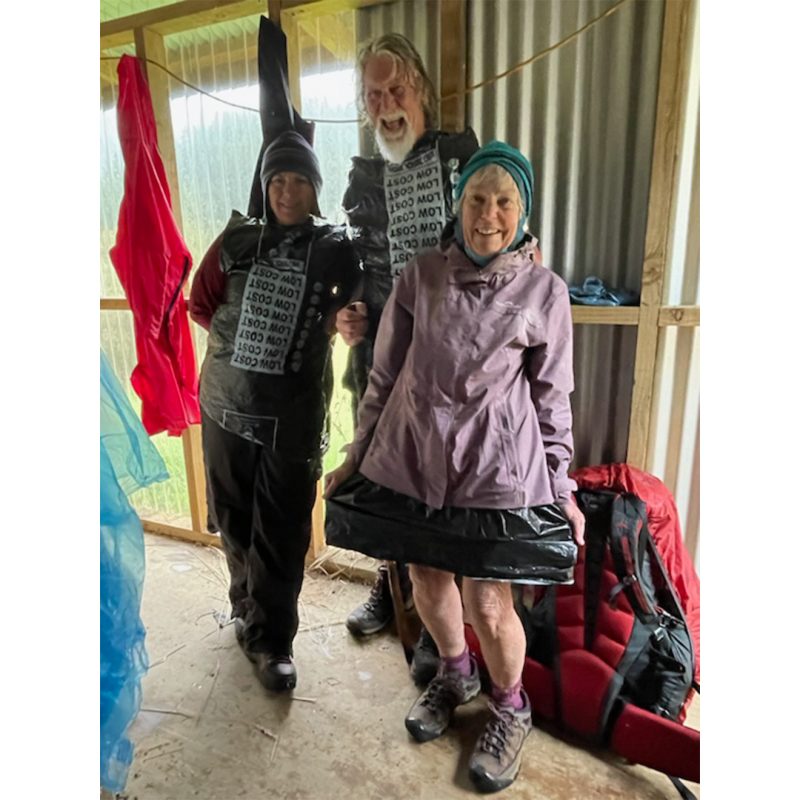
I’d like to add to Catherine Holmes’ letter extolling the virtues of tramping in a skirt (Pigeon Post, July 2024): the rubbish bag rain skirt! Take a black rubbish bag with ties at the top. Cut to length required. Voila! Costs just a few cents, weighs virtually nothing and is always a talking point and much admired. And it will keep your tramping skirt – or shorts – dry.
– Katie Cloughley
What colour should a hut be?
I was interested in the DOC spokesperson’s comments about the choice of exterior colours for backcountry huts (‘What colour should a hut be?’, July 2024). I agree, “the choice of colour depends on the surrounding environment”.
In Wilderness over a decade ago, I wrote a letter regarding the one-off colour schemes for huts that were appearing. I mentioned the standardisation of colour schemes for huts within Fiordland National Park during the 1980s, initiated by the then chief ranger Wally Sanders.
The colours were considered appropriate for three different landscape settings: subalpine, bush clearings and open grasslands. This restricted palette meant the park’s workshop only had to stock three colours of exterior paint. Also, as external cladding on huts had to be replaced, the new panels could be pre-painted in the workshop.
Today, I see maintenance patch-ups on huts with no real coordination on paint finishes.
Backcountry huts should remain visually subservient to their natural setting and, as the DOC spokesperson suggests, only huts that experience marginal weather conditions should be paintedvin ‘safety’ colours.
– Alan Petrie
Elevation profiles
I look forward to Wilderness each month, but have noticed a few times in the Wild Trips section, the elevation profile is sometimes incorrect. Both Dunedin Skyline Walk and Middle Head Hut (August 2024) have the exact same elevation profile.
Other than that, I love the Wild Trips section – I keep adding more trips to my ever-growing to-do list.
– Dan Lodge
– Oh dear, we’ll up our efforts to match the elevation profiles to the correct trips in future! – AH
Dark clothing makes you hard to find
The article ‘Missing in the wild and praying for survival’ in The World Outdoors newsletter (07/08/24), which recounted the successful search for a missing hiker in Scotland, was very informative. But what I came away with was the person was wearing black and navy clothing, which hampered the search efforts as the victim was not visible from the air.
I am currently looking for a tramping jacket, something that has some contrasting colour – that is, not dark or black.
Looking at Macpac’s range online I counted four suitable options out of 28.
Kathmandu had nine options out of 63.
The range at Bivouac was much better, but still only 60 out of 137 jackets were colourful.
I think the colour range is influenced by the current use of black, which we see everywhere from housing to fashion, but from a safety point of view contrasting colours would be useful.
– Allan Sheppard
After-dark adventures with kids
I recently organised a nighttime adventure with another family at Aongatete (the Katikati side of the Kaimai Range). It’s a ’family loop’ that we have walked many times. We started around 4.30pm, and with the sun setting at 5.30pm, it wasn’t long before the headlamps came out and we heard the birds noisily settling into their bedtime routine.
We had a waterproof blanket to sit on, hot chocolate and marshmallows, and sandwiches for dinner, and it made an easy but exciting adventure for the kids, aged two to seven years. The 2km loop has a well-formed track, information panels and signs, and wētā hotels to explore. We were back at the car by 7pm with the kids changing into pyjamas while standing in the boot, which made an easy transfer to bed after driving home.
Don’t underestimate the value of small adventures with small people. Sometimes it just takes a different perspective to make something old seem new again. Another 2km towards the Walk1200 challenge!
– Karen Casey
34 years of inspiring New Zealanders to explore the outdoors. Don’t miss out — subscribe today.

Questions? Contact us