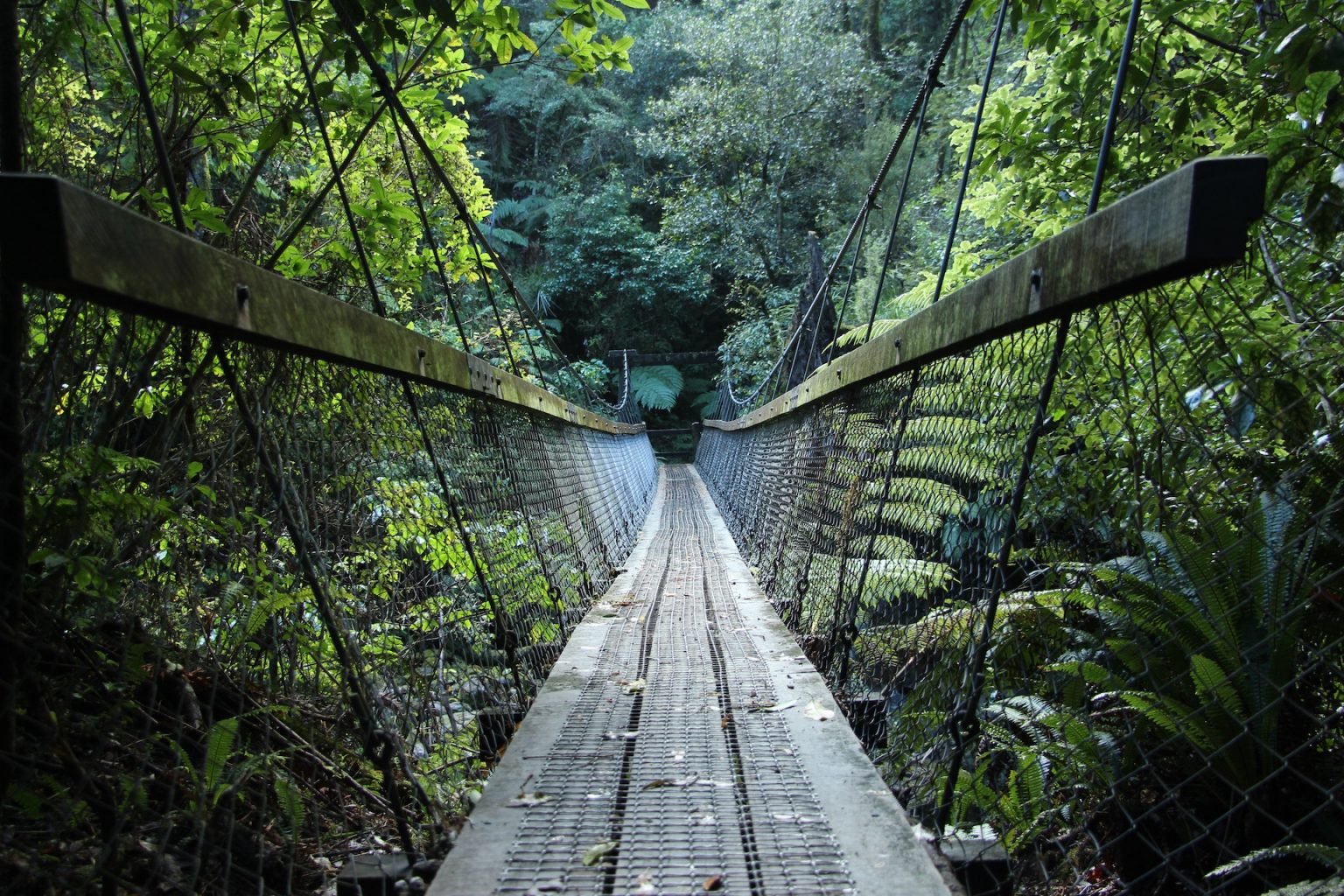
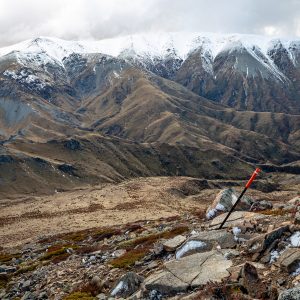
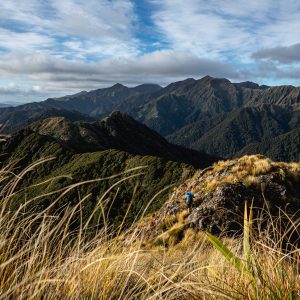
As of Monday, all Great Walks are now open after weather delays forced some to shut. DOC has confirmed that severe spring weather-related delays which had affected access to the Milford, Kepler, and Routeburn tracks have been resolved.
Initial signs pointed to a highly popular season ahead, with DOC reporting high demand for the walks. Some tracks are already nearing capacity for peak dates. Last season saw a surge in popularity across the network, with the Milford and Abel Tasman tracks experiencing occupancy rates of around 95%.
DOC noted that while many of the tracks book out quickly during holidays and long weekends, there are still options for those willing to plan around peak times. Availability can often be found on less busy tracks or by checking for cancellations, which occur regularly. Read more from Stuff.
Bodies recovered after two climbers die in Aoraki Mt Cook fall
Police have recovered the bodies of an internationally recognised mountain guide and their client who died in an overnight fall on Aoraki Mt Cook.
The climbers were in a party of four, roped together in pairs, climbing from Empress Hut to the summit, when the two fell from the mountain’s west ridge.
Police were alerted to four climbers needing help late on Monday night after the two survivors used a device to alert the Rescue Coordination Centre, they said. The Department of Conservation Aoraki SAR team ran the rescue and recovery operation on Aoraki/Mount Cook overnight.
Mountain Safety Council chief executive Mike Daisley said it was a busy mountaineering season.
“Recent fine weather has drawn many mountaineers to the high alpine, with multiple guided and recreational teams summiting Aoraki Mt Cook over the past week,” he said.
“Current conditions on the mountain are considered ideal for mountaineering, with firm overnight snow conditions and well-filled glaciers following early spring snowstorms.”
New Zealand Mountain Guides Association (NZMGA) president Anna Keeling said the guide, who was yet to be formally identified by police, was a respected and valued member. Read more from RNZ.
Exceptionally rare’ pink grasshopper seen near Lake Tekapo
A rare pink robust grasshopper has leapt into the amazed view of Department of Conservation rangers and their cameras near Lake Tekapo. Ranger Jen Schori said she “couldn’t believe her eyes” on viewing the elusive creature – New Zealand’s largest lowland grasshopper.
“I’ve been studying these amazing creatures for years. They are usually grey or brown coloured like river stones. I’d heard rumours about a pink one but never seen one myself. It was so exciting.”
“Pink grasshoppers are exceptionally rare. It’s likely caused by a genetic mutation called erythrism, which results in an overproduction of red pigment”, Schori said of the grasshopper’s unique colouring.
The grasshopper was classed as nationally endangered, its fetching colour unfortunately making it stand out to predators against its typically brown and grey environment of braided riverlands.
A first-of-its-kind predator exclusion fence was established specifically for grasshoppers in the Mackenzie Basin in 2018. This sighting took place outside the fence’s perimeter, leading Schori to say the pink grasshopper “will have to fend for herself”. Read the full story from One News.
Tunnel Beach Track in Dunedin to reopen in time for summer
The Tunnel Beach walk has been closed since October last year when a major storm caused 10 large slips, making the track impassable.
Department of Conservation coastal Otago operations manager Gabe Davies said the first phase of repair work had focussed on ensuring the track was safe and accessible.
“Tunnel Beach is one of Dunedin’s best short walks providing access to spectacular coastal views within a short drive of the city centre.
“We’re pleased to have it safely reopened in time for summer, giving people another incredible place to go naturing along Dunedin’s epic coastline.”
The completed repair work focussed on removing large amount of slip material, stabilising slip areas above the track, clearing drains and improving the drainage and water management on the track.
A “mammoth” resurfacing of the track was also completed, which involved more than 140 tonnes of gravel being spread and compacted.
The second phase would focus on further infrastructure improvements to manage water on the track as well as installing furniture and interpretation signs. Read more from the Otago Daily Times.
Feral cats to be added to Predator Free 2050
The Government is delivering on its campaign promise to add feral cats to the Predator Free 2050 target species list to protect our precious native wildlife, Conservation Minister Tama Potaka says.
“We know people want their local reserves, beaches and bush tracks to be full of birds, not predators. Including feral cats in the Predator Free 2050 goal means stronger protection for local wildlife, better tools for communities, and less impact on farmers, whānau and our economy.
“Feral cats are now found across Aotearoa New Zealand, from farms to forests, and they put huge pressure on native birds, bats, lizards and insects. They also spread toxoplasmosis, which harms dolphins, affects people, and costs farmers through lost stock,” Mr Potaka says.
The Department of Conservation’s consultation on the Predator Free Strategy received close to 3,400 submissions. Over 90 percent backed improved feral cat management.
Domestic cats will not be affected by the new policy, Mr Potaka says. Further details on priority work will be set out in the revised Predator Free 2050 Strategy, due to be released in March 2026. Read more from DOC.