From exploring the labyrinths of Okupata Caves by the light of glowworms to biking down Ruapehu’s newest cycleway or flying into the Kaimanawa Mountains for a heli-hike, more than 20 events were held across Tongariro National Park this summer for the community to engage with their local environment.
The Mahi Aroha Summer Nature Programme, organised by Project Tongariro, has been running for more than 40 years.
“It’s about trying to lower barriers to get people exploring our amazing region,” said Project Tongariro CEO Kiri Te Wano. “It’s also a really key conservation advocacy piece, as what you don’t know about, you don’t care about.
“We are nothing without the land that we live on, so kaitiakitanga [guardianship] is integral to our work.”
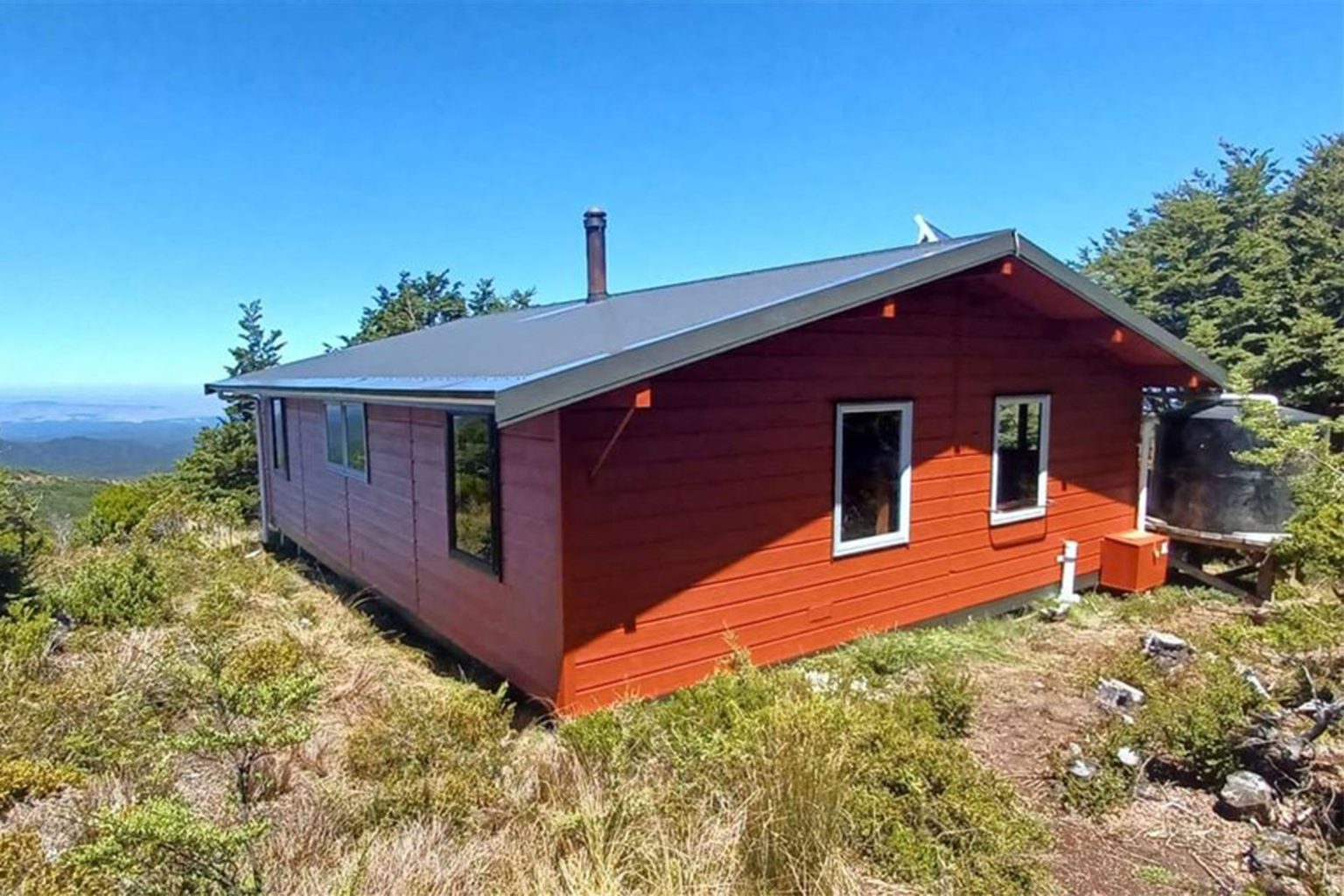
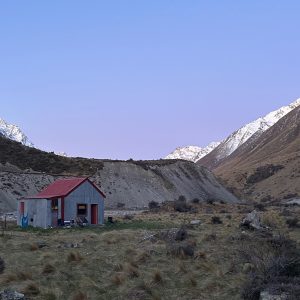
One summer event, linked to the Federated Mountain Clubs’ Love Our Huts campaign, saw 21 volunteers spruce up Blyth Hut.
“The windows were cleaned, mattresses aired, gutters checked, deck swept, toilet scrubbed and many other tasks,” said volunteer Karen Grimwade. “With such a big group, the job list was ticked off in no time.”
Project Tongariro’s work does not end with summer. Members and supporters help to marshal running events in the national park, and there are more than 10 community planting days and trapping programmes to take part in as well.
The project itself, under the Tongariro Natural History Society, was founded after five members of the tight-knit mountain community died in a helicopter accident on Mt Ruapehu in 1982. Chief ranger of the park at the time, Bruce Jefferies, alongside other colleagues and friends of the deceased, came up with the idea of the society, a cooperative network of people who love the park and are willing to work alongside park and DOC staff to protect it.