

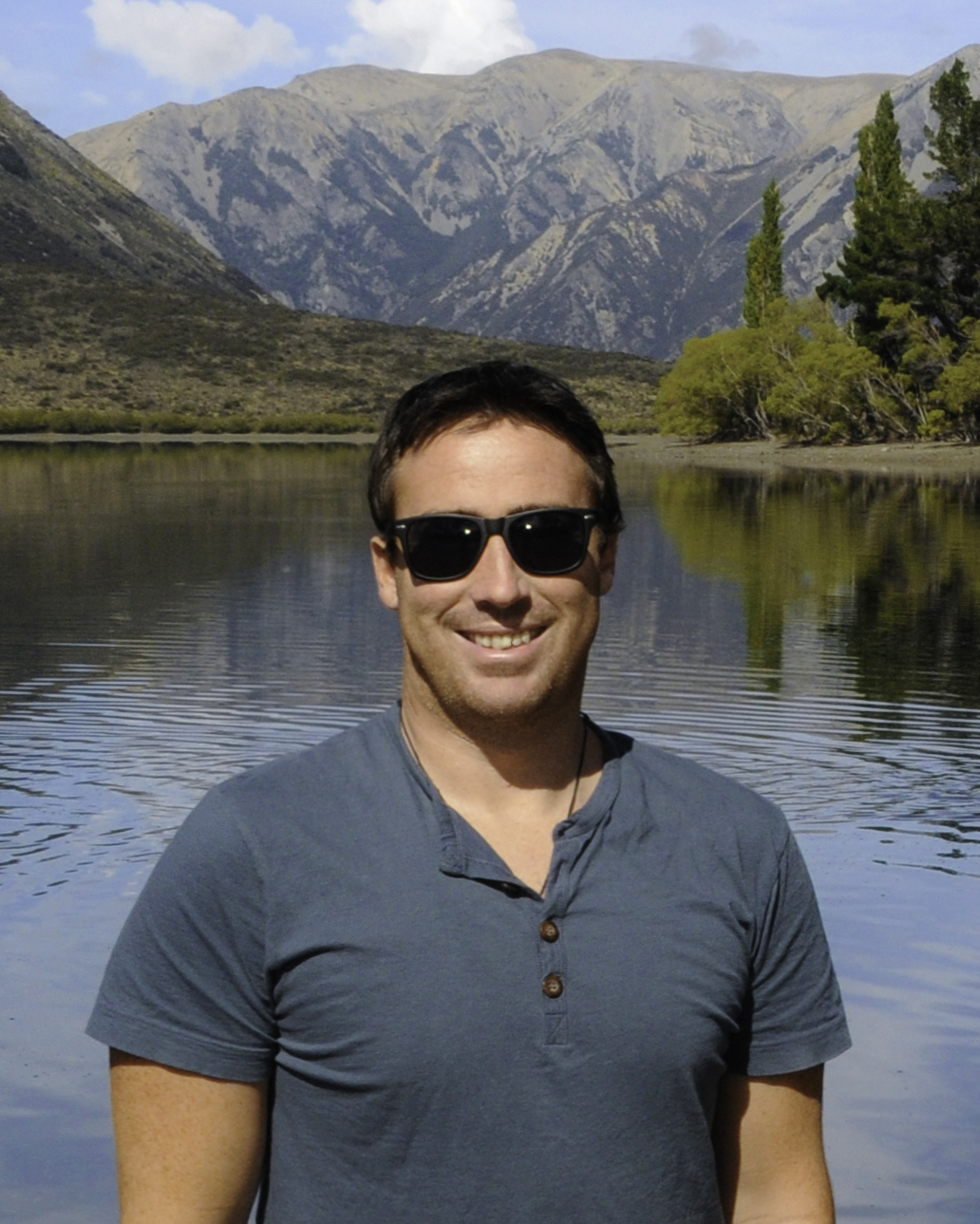
“You’re trying to create an image that evokes an emotional response with the viewer, and you’re trying to be aware of how composition and colour, light, camera settings and the conditions you are shooting in affect the mood of the image,” he says.
“It’s not all about telling life-changing stories like climate change, but stories that give an indication to what makes your subject unique, its environment, or what it eats.”
Harrod says a fast shutter speed is “your best friend” when shooting wildlife, because animals can be so erratic, and unless it’s the desired effect, motion blur can ruin a photograph.
Shooting at a medium aperture (around f5.6 – f8) will deepen the lens’ depth of field and make focusing easier, but it can also produce under-exposed results. To combat this, Harrod recommends bumping up the ISO – but not so high that the image gets grainy.
Shooting from the subject’s eye level and looking for complementary colours can also help your image pop.
Harrod believes wildlife photography plays a vital role in conservation, and he loves bringing people face to face with elusive or endangered animals.
“I’ve always been under the impression that people don’t want to save what they don’t know,” he says. “Being able to introduce people to New Zealand’s precious wildlife through images helps people to grow an affiliation for the subjects.”
Making macro magic
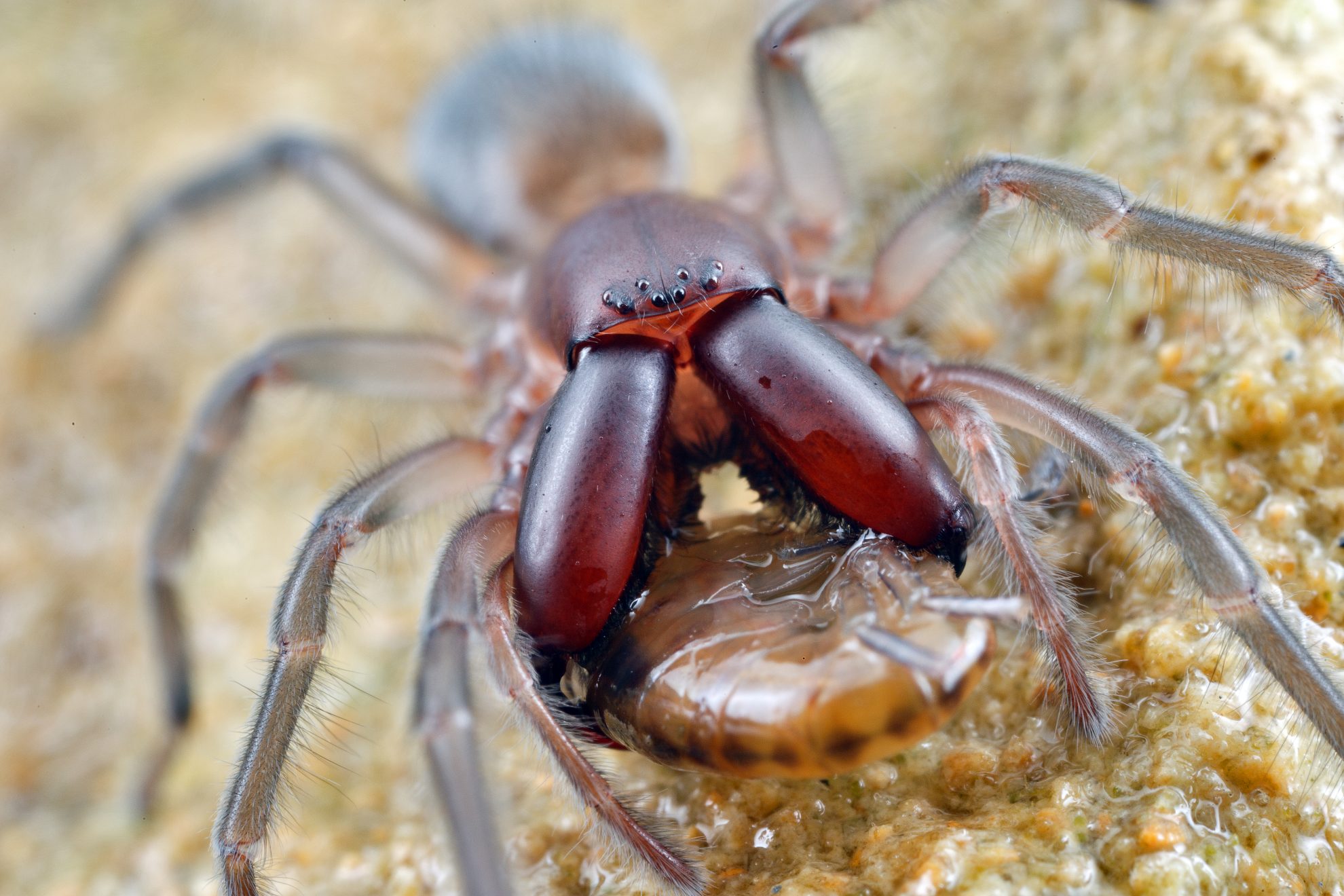
Aotearoa is a land of invertebrates, says macro photographer Bryce McQuillan, and with more than 36,000 species, the possibilities for photographing them are endless.
To add to the appeal, New Zealand’s microscopic world remains largely unphotographed, meaning there is great potential to shoot a previously uncaptured specimen in the field.
“There are 5000 species of beetles alone, and not even a quarter have been photographed, and it’s the same with spiders – there are 1200 species but we’ve photographed 300-400,” McQuillan says.
Macro photography is the art of detail, of bringing the often unnoticed into larger than life focus. It’s opened up a whole new world of biodiversity for McQuillan, who says bushwalks have never been the same since he took it up as a hobby more than a decade ago.
“It’s changed the way I look at things to an almost unhealthy level,” he laughs.
McQuillan says learning about species, their habitat and behaviours is the first step to taking quality images.
“Before you photograph a model, you might get coffee with them first or have a chat,” he says. “And it’s the same with landscapes – if you want a nice sunrise, you’ve got to know the location and what time the sun rises. You’ve got to do the initial homework before going out and shooting.”
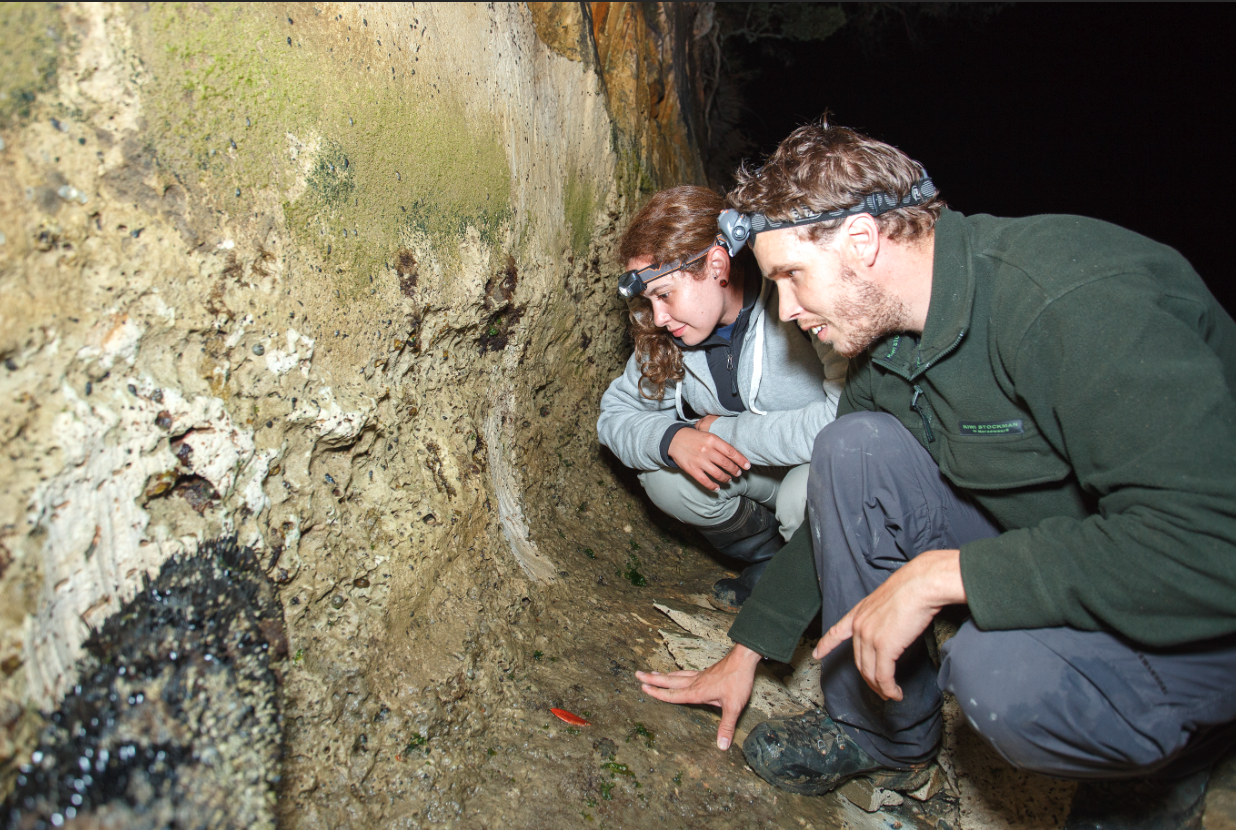
For invertebrates, this means honing in on the conditions the target species is most active in, which can include the season, temperature, moisture levels and time of day.
Keeping body movement to a minimum is another requirement for photographing small critters.
“What we think we might be doing quietly can be very loud to [invertebrates] – even our breath causes a stir,” McQuillan says.
“Once [your subject] jumps away, you have to walk off and leave it. If you actively chase a subject, the likelihood of photographing it again disappears as it gets more defensive and erratic as it tries to escape.”
The weather, which can make or break a shoot, is the one thing photographers can never fully predict or plan for, McQuillan says, but preparedness is always a top priority.
Backup gear, a first aid kit, PLB, GPS, and emergency blanket accompany him on every trip – along with his camera equipment which alone weighs over 10kg.
“Going through airports is one of the more challenging things,” he says.
Gear breakages are an inevitable part of working in harsh outdoor environments, often in the dark or wet, but McQuillan keeps things in perspective.
“You can come back and be upset that you’ve damaged your equipment, but you went out to enjoy the outdoors,” he says. “As upsetting as it is to replace [equipment], you will have the memories and the experiences you gain when you’re out there, and that’s the whole reason to go out.”
Quillan believes photography is the strongest educational tool conservationists have.
“If you want people to give up their time to help something and you can only verbally illustrate it, the chances of capturing their imagination is small, but if you can capture it in a unique light, people will say ‘wow, I’d like to see that’,” he says.
For five days, Richard Sidey waited for one moment.
Poised by a river in the Great Bear Rainforest of British Columbia, the Wanaka wildlife photographer was on a mission to capture a spirit bear – the rare white subspecies of black bear, endemic to BC, Canada.
The shot he had in mind was ambitious. In fact, it literally required the stars to align.
“On my first day at the river, I noticed there was a ray of light that would pierce the canopy for about half an hour in the late afternoon,” he says.
In the dark rainforest, it was the most dramatic lighting source available, and it was here that Sidey fixed his lens in anticipation. With four days gone and still no sign of his quarry, the odds of a spirit bear appearing within the half-hour window of light seemed impossible, but on the fifth day, lightning struck.
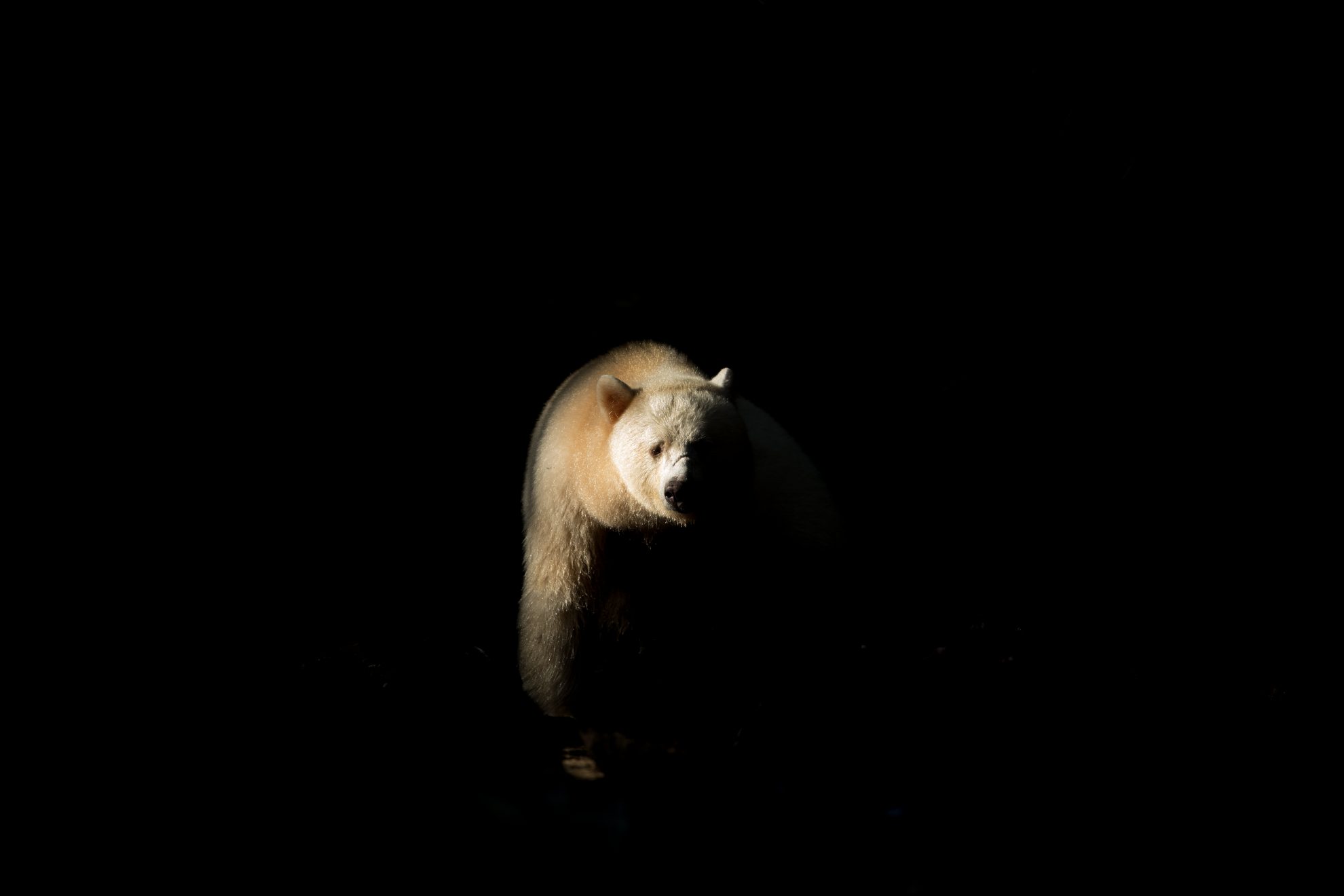
“A spirit bear walked straight through the ray of light, and it was illuminated completely against the forest,” Sidey says. “It only happens a few times in a career, when the shot you’ve envisioned is exactly as you wanted it to turn out,” he says.
Sidey admits waiting for days on end for a photograph isn’t for everybody, and even he doesn’t know where he gets his patience from. Time passes differently in nature, he says and days of waiting never feel like a drag.
“You’re really immersed in the experience and your place there, and everything comes down to instincts,” he says.
“When you’re in the wilderness alone, all of your senses heighten and you become part of the landscape. It’s meditative.”
Sidey first discovered his love for wildlife photography at 21, while working as a bartender on a Russian icebreaker in Antarctica.
“I found I had the patience and enthusiasm for it, and I loved watching and observing wild animals, and trying to capture them,” he says.
He’s since worked as an artist in residence on expedition ships, as a photography guide and videographer, amongst other roles with conservation groups and NGOs. He believes photography plays a critical role in protecting species and habitats.
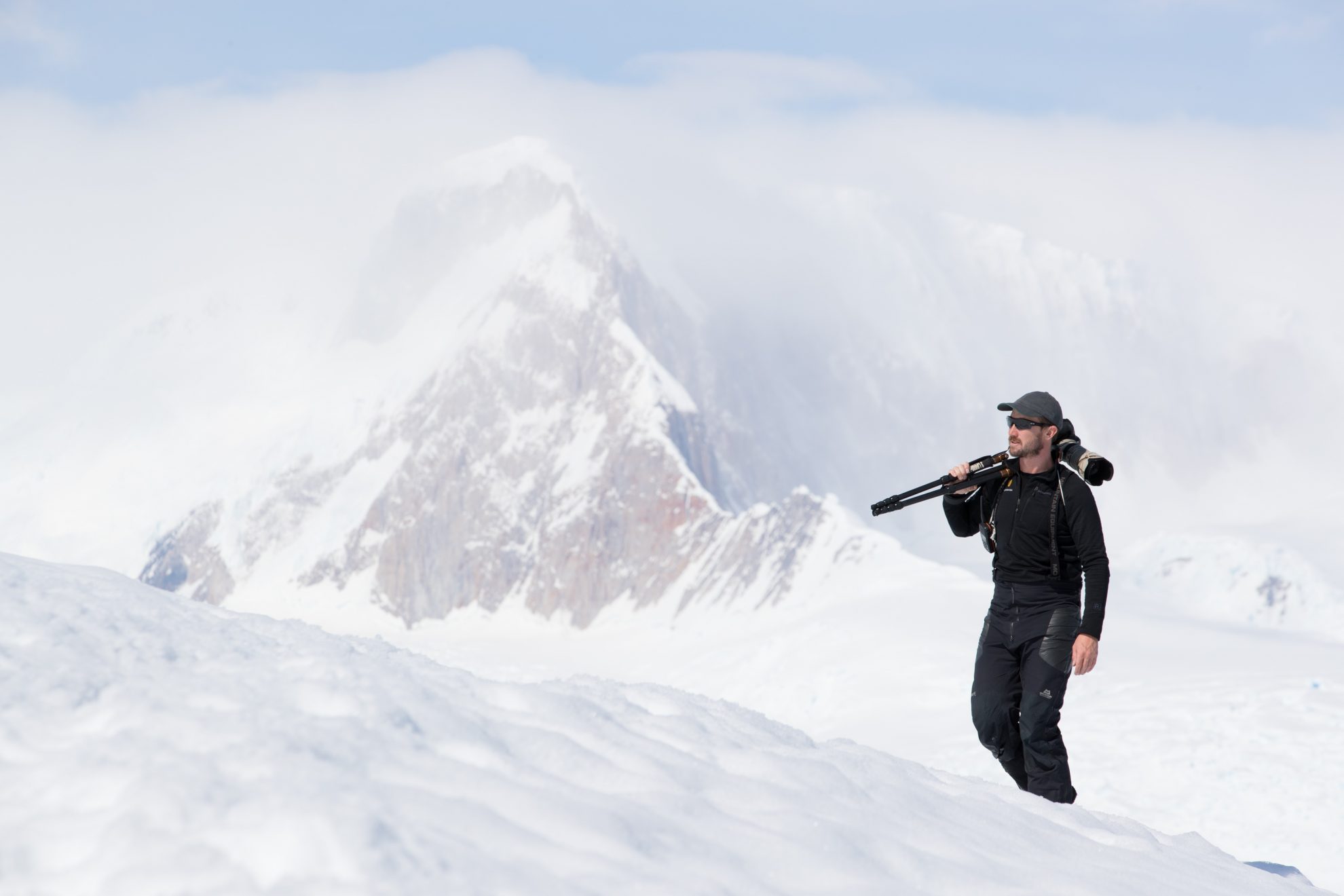
“In my lifetime, we’ve lost almost half of all wild animals on earth, and that’s just within a blip on the timescale of the planet,” he says. “The more people that are interested and enthused about the natural world, the better, as they can become ambassadors for wild places and species.
“I find when people view my work, they care about what they’re seeing – and if they’re interested, then maybe they will become proactive.”
Sidey’s biggest advice for budding wildlife photographers is to “get out there”, even if it’s just your backyard or local reserve. For the best shots, he recommends learning species’ behavioural patterns and predicting their movements.
“You might have a bird feeding that always comes back to the same branch – if you can read this behaviour, you can get yourself into a good place for the shot,” he says.
An effort to be unobtrusive also goes a long way.“You get the best shots when the wildlife doesn’t know you’re there, and you’re not bothering it. If the animal is startled, you’re not going to get a great shot,” he says.



