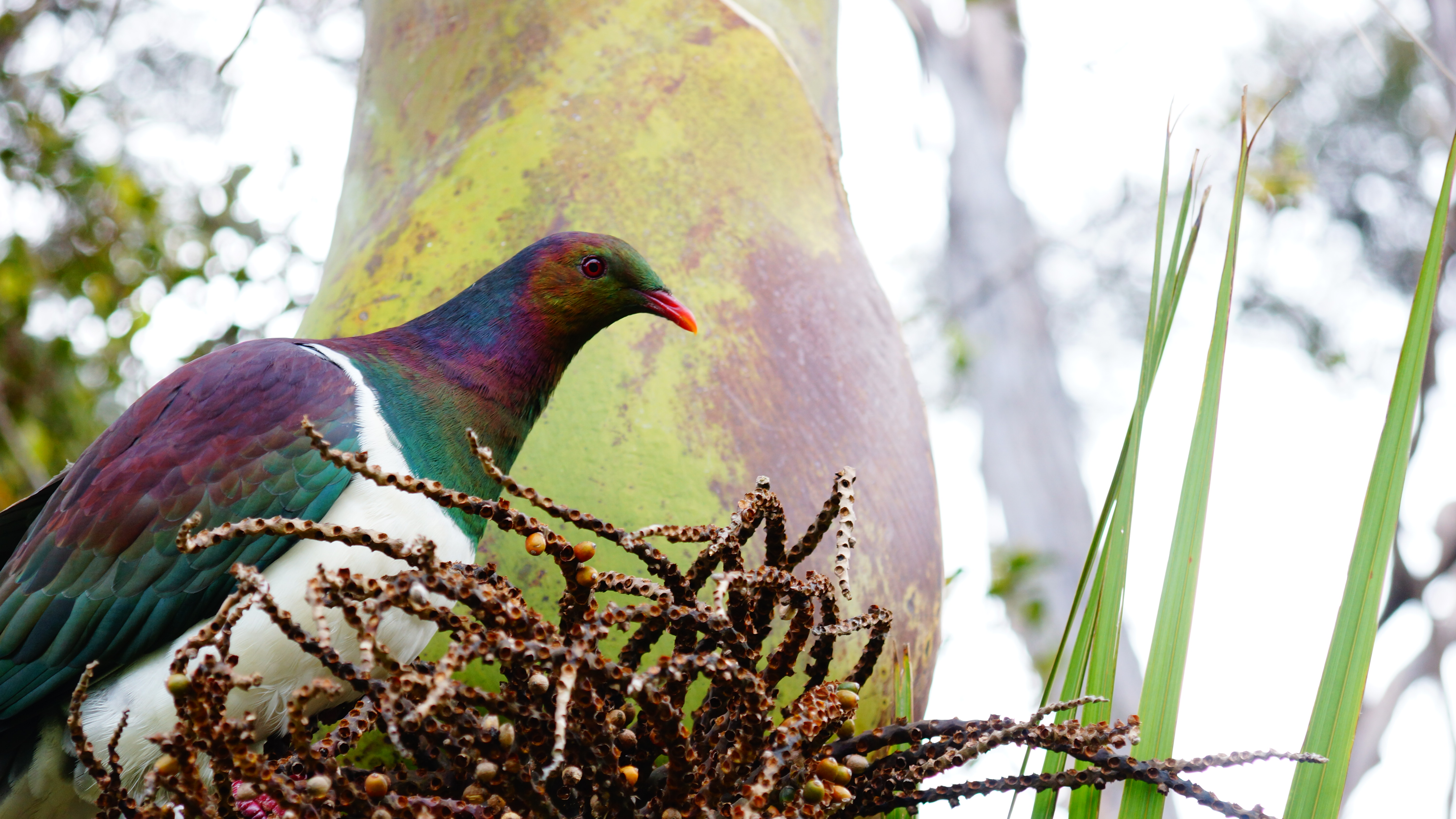
Conservationists are anticipating a “disaster year” for predators, with the biggest mast in 45 years on the horizon.
The mega-mast is predicted to affect more than 90 per cent of the country’s beech forests and a range of other flora.
The resulting seeds will generate a boom in pests, which will predate native birds when the seeds are gone with potentially devastating consequences.
DOC is responding with a $38 million predator control programme for 2019/2020 – its largest ever.
“If we don’t act, we could lose populations of bird species like our tree-hole nesting orange-fronted parakeet, mohua and bats, which are so vulnerable to rat plagues,” conservation minister Eugenie Sage said.
Forest & Bird chief executive Kevin Hague said the budget is “sadly inadequate”.
“DOC is really pulling out all the stops, and we applaud them, but they simply do not have the resources to respond properly,” he said. “Unfortunately, we don’t have enough experienced people to help.”
Hague advised extending the season of aerial 1080 operations until mid-spring. “We need to signal to chopper companies it is worthwhile investing in equipment because mega masts are going to be a more regular occurrence,” he said.
Hague expects community predator control groups are going to be overwhelmed by pest numbers. “This is the time for people to get out and help. If you’re not involved with a community group, volunteer this spring,” he said.
“In the early stages of the pest explosion, there will be so much food that pests won’t bother with traps, but when the food dries up, bait stations are going to get overwhelmed.”
He recommended community pest control groups ease off during the period of heavy seeding, and “double their efforts” when the seeds dry up.
While mega-masts are disastrous for pest numbers, on predator-free conservation land they can lead to boom times for vulnerable species.
The critically endangered kākāpō enjoyed a record season of chicks this year.
“It’s amazing how much our wildlife has become synchronised to [mast events],” Hague said.
34 years of inspiring New Zealanders to explore the outdoors. Don’t miss out — subscribe today.

Questions? Contact us