South Island hotspots to see wildlife this winter

Read more from

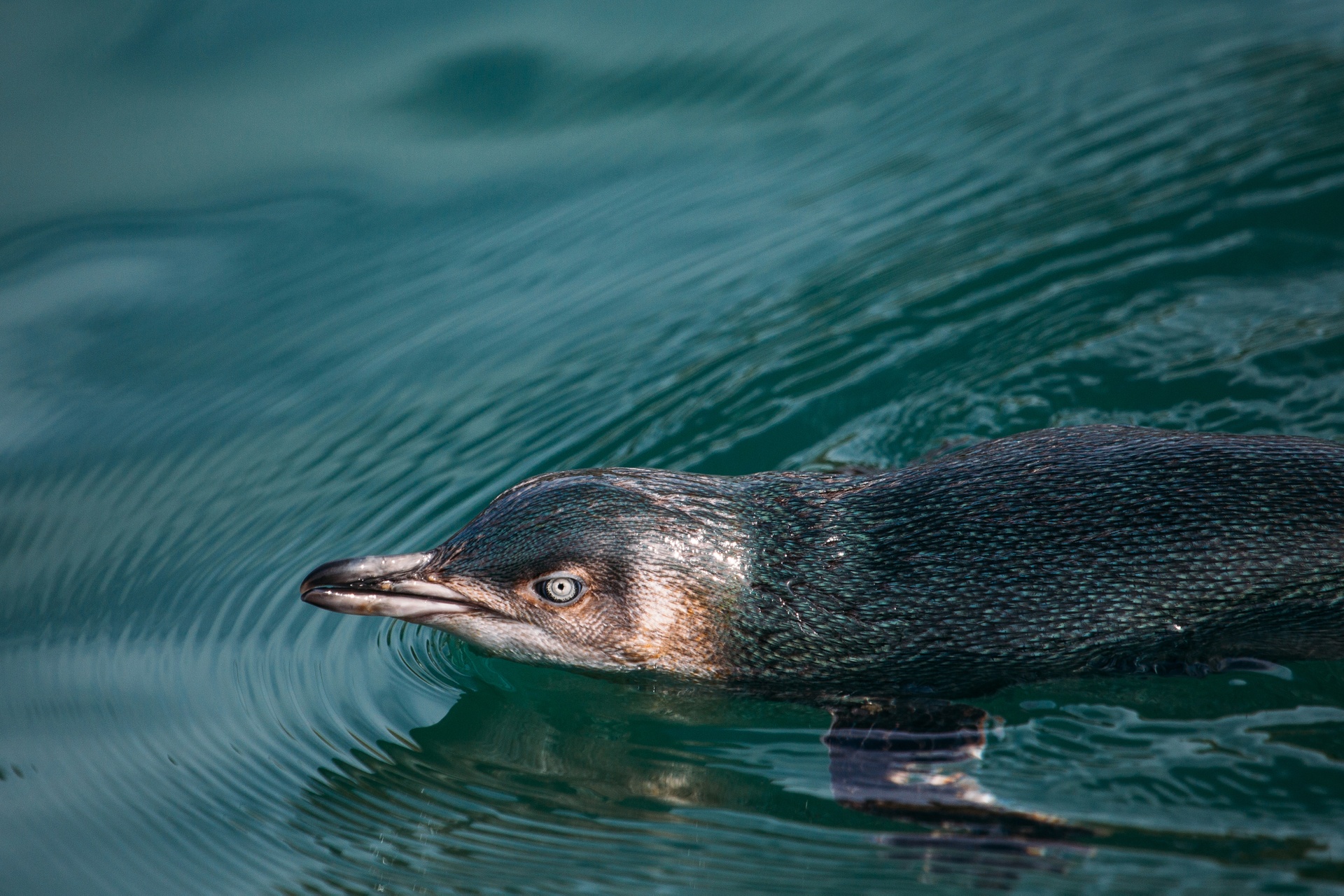
The little blue penguin can be seen at a number of Otago beaches. Photo: Chris Stephenson

Wildlife vet Dr Lisa Argilla says winter can be tough on New Zealand’s wildlife – particularly in Otago where she’s based – yet there’s still plenty to see if you’re out-and-about walking this winter.

Argilla is one of New Zealand’s best-known wildlife vets. She rescued Happy Feet, a lost Emperor penguin which washed up north of Wellington in the winter of 2011.

She was vet sciences manager at Wellington Zoo at the time and became the media’s go-to person for stories on Happy Feet’s progress.

Nowadays she runs Dunedin’s new wildlife hospital, which opened in January this year.

“Right now, we’re seeing kereru, kea, other forest birds, shearwaters, mollymawks and some yellow-eyed penguins,” Argilla says. “The southerly storms cause havoc for many of our wildlife species over winter.”

According to local councils and DOC, the South Island has many great places to see wildlife species over winter.

Trampers should look out for New Zealand’s little blue penguin on the coast of Timaru, Oamaru and Pilots Beach in Otago.

One of the best hotspots for seeing the endangered yellow-eyed penguin or hoiho is Curio Bay in the Catlins. Curio Bay is also a good place to see New Zealand fur seal and sea lions over winter.

Meanwhile, Otago’s Taiaroa Head is home to the world’s only mainland breeding albatross colony. Over winter, for example, it’s possible to see dozens of fluffy white albatross chicks before they become fully fledged and leave their nests in September.

Taiaroa Head hosts the world’s only mainland breeding albatross colony

Argilla says trampers who find injured wildlife shouldn’t hesitate to get in touch.

“There’s such an abundance of wildlife down here that sadly some do get sick and injured and need care.

“Recently we had to perform orthopaedic surgery on a kereru with a broken wing – he’d hit a power line and fractured his wing in three places. We also have a yellow-eyed penguin currently in care thanks to a nasty bite wound from a sea lion or seal.”

Dunedin’s Wildlife Hospital is based at the Otago Polytechnic School of Veterinary Nursing on Albany Street.

“We’re a small but much-needed facility that relies on the eyes and ears – and generosity – of our community.

“Trampers can help by keeping an eye out and reporting on injured wildlife. Donations are always welcome – it costs about $30 per week to feed a kereru and $500 to carry out surgery.”

Trampers can also help by taking care in the way they approach or observe wildlife, she says.

“Simply, follow these five tips to do the right thing.”

Dr Lisa Argilla’s top tips for watching wildlife

  1. Aim to stay at least 10m from wildlife – and ideally a bit further if you’re watching yellow-eyed penguin (unlike cheeky kea, they’re a shy species).
  2. It’s best to sit quietly or hide to observe wildlife – that way you’ll enjoy their natural behaviour, which is often surprising and always amazing.
  3. Don’t feed wildlife. It can be tempting to feed birds such as kea. But the food humans eat can harm wildlife. It can also cause dependency on human food, which ultimately means a species is less likely to survive in the wild.
  4. Don’t litter! Plastic, for example, damages the environment and can kill wildlife that eats it.
  5. Invest in some good, lightweight binoculars – they’re a great investment and don’t have to weigh down your pack. A good, long-range camera is another great way to keep your distance and to observe wildlife without being intrusive.
Jacqui Gibson

About the author

Jacqui Gibson

More From

More From Walkshorts

Similar Articles

Renewable energy breakthrough for Welcome Flat Hut

The head of the Clinton Valley and McKinnon Pass covered in snow

Milford Track bookings cancelled as track opening delayed due to avalanche damage

|

Book discounted Tongariro huts over summer

Trending Now

Kãnuka Loop Track, Bendigo Historic Reserve

What’s the big attraction of the Old Ghost Road?

‘The hut my dad built’

Cascade Hut, Kaimanawa Forest Park

High country gold

Subscribe!
Each issue of Wilderness celebrates Aotearoa’s great outdoors — written and photographed with care, not algorithms. This Christmas, subscribe or gift a subscription and help keep our wild stories alive. It’s the perfect way to connect with friends and whānau who love the outdoors as much as you do.

Join Wilderness. You'll see more, do more and live more.

Already a subscriber?  to keep reading. Or…

34 years of inspiring New Zealanders to explore the outdoors. Don’t miss out — subscribe today.

Your subscriber-only benefits:

All this for as little as $6.75/month.

1

free articles left this month.

Already a subscriber? Login Now