

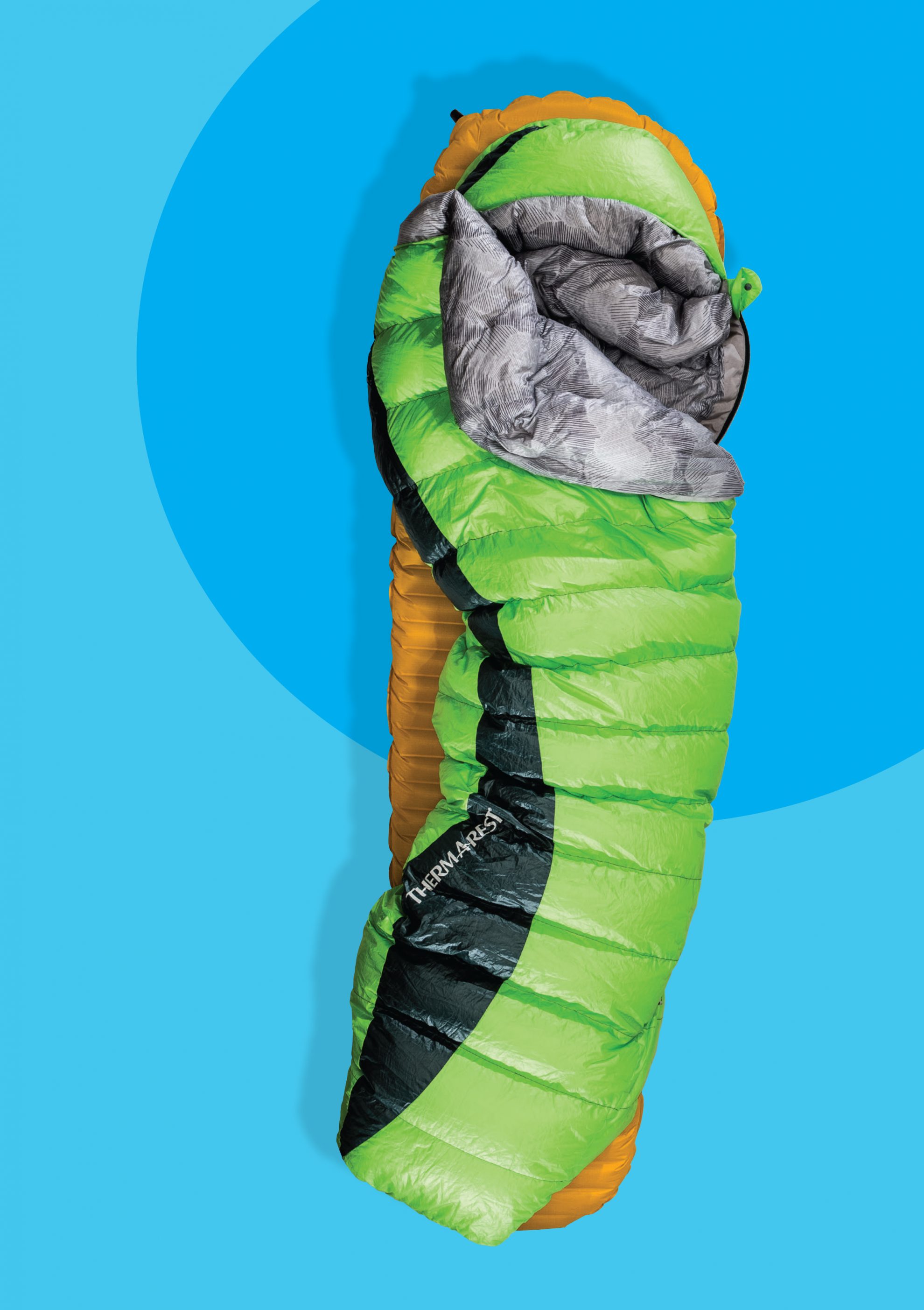
Therm-A-Rest Questar 20 $549.99 (regular)
Use: Three season
Temperature rating: 0°C (comfort), -6°C (limit), -24°C (extreme)
Weight: 1038g
Filled with 540g of 650-fill Nikwax hydrophobic down which dries three times faster than untreated down. SynergyLink straps integrate the bag with a mattress, preventing roll-off, ‘ThermaCapture’ seams trap body heat, foot-warmer pocket, ripstop polyester shell and lining. EN13537 rated. www.ampro.co.nz
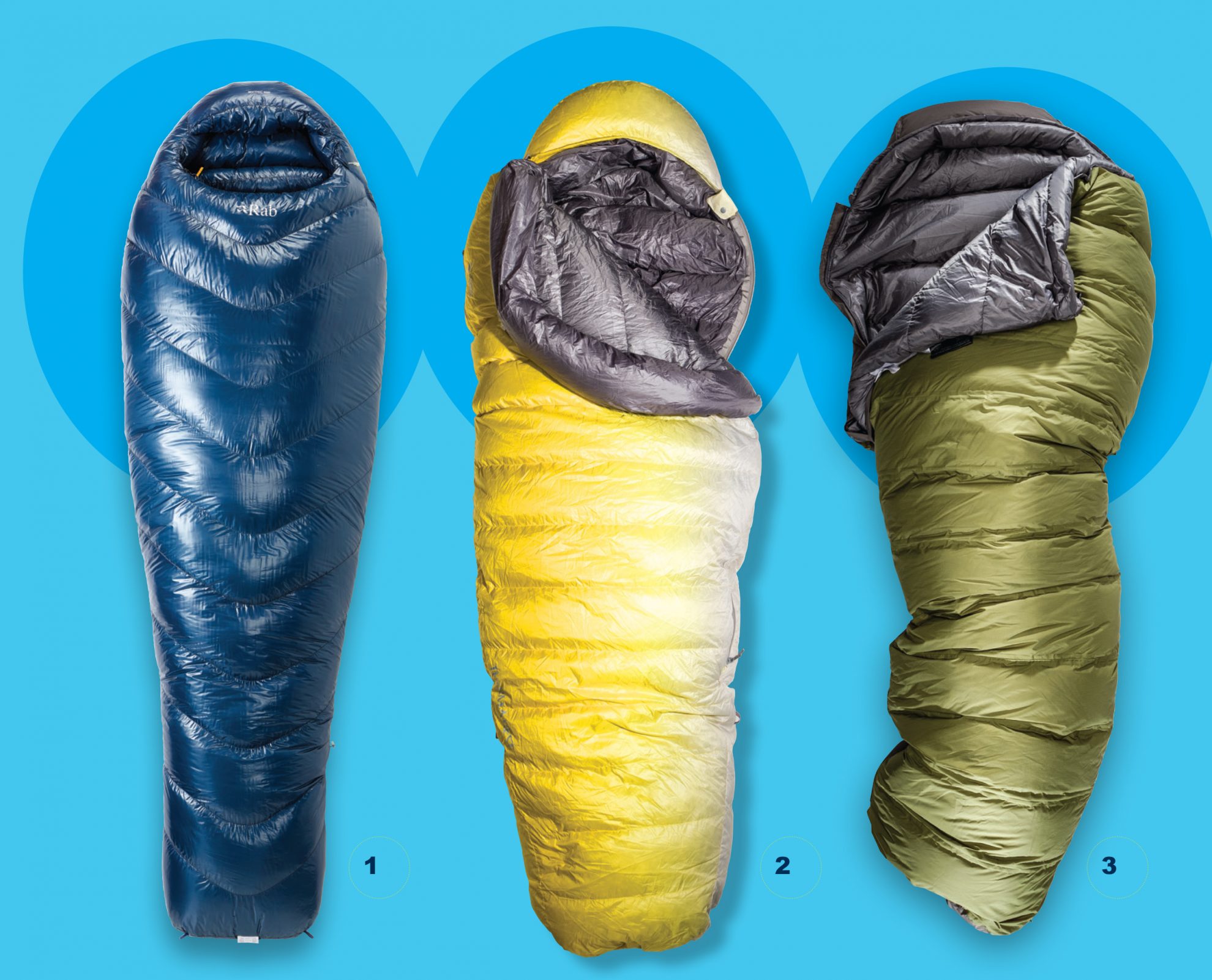
1. Rab Mythic 600 $1699.95
Use: Four season
Temperature rating: -5°C (comfort), -12°C (limit), -32°C (extreme)
Weight: 885g
The lightest warmth-to-weight sleeping bag in the Rab range features 900-fill power Nikwax hydrophobic European goose down, Pertex Quantum 7 denier fabric, Chevron-shaped chambers to stabilise the down, three-quarter length two-way zips, down-filled neck-baffle and a tapered mummy shape with angled footbox. EN13537:2016 rated. www.outfitters.net.nz
2. Therm-A-Rest Parsec 20 $799.99 (regular)
Use: Three-season
Temperature rating: 0°C (comfort), -6°C (limit), -24°C (extreme)
Weight: 890g
With 800-fill power Nikwax hydrophobic goose down, thermacapture lining to trap radiant body heat, SynergyLink straps prevent mattress roll-off, zoned insulation puts loft where it’s needed, footwarmer pocket, 20D polyester ripstop shell. EN13537 rated. www.ampro.co.nz
3. Exped Waterbloc 600 $699
Use: Three season
Temperature rating: 1°C (comfort), -4°C (limit), -21°C (extreme)
Weight: 1150g
A breathable shell resistant to light showers and humidity allows this bag to be used without shelter. Double sealed seams, 510g of 800-fill power goose down insulation housed in sealed baffles to prevent migration, anatomic easy-adjust hood, double-tuck stitching prevents snagging and protects seams from moisture. EN13537 rated. www.bivouac.co.nz
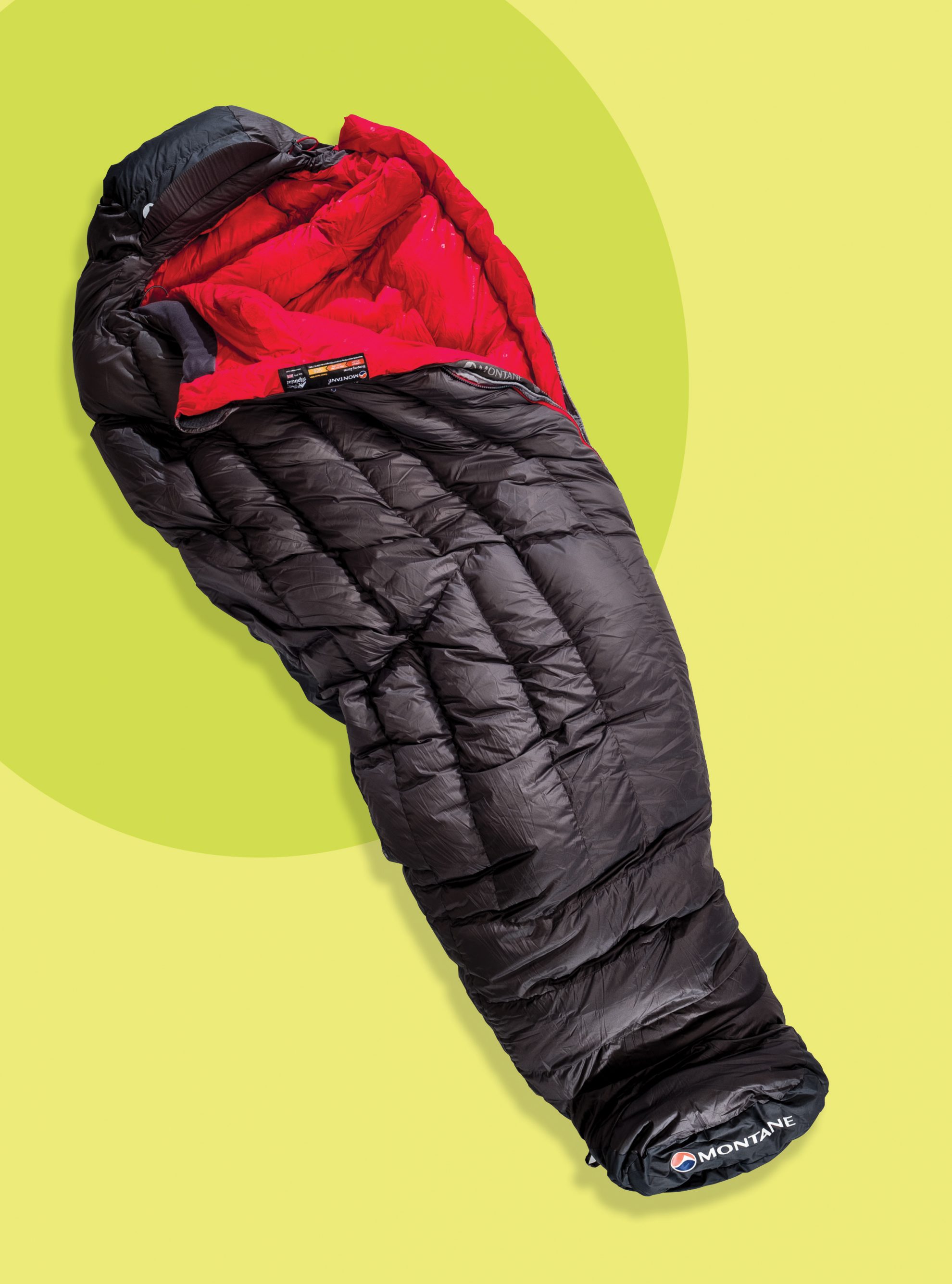
Montane Alpinist -12 $899
Use: Four season
Temperature rating: -5°C (comfort), -12°C (limit), -31°C (extreme)
Weight: 1168g.
Technical mountain bag with water-repellent upper and ripstop bottom. Shaped to taper and curve around legs and shoulders to reduce cold spots, vertical chest prevents cold spots and down migration, roomy footbox allows wearing of thick socks/boot liners. 670g of 800-fill goose down, EN13537 rated. www.furtherfaster.co.nz
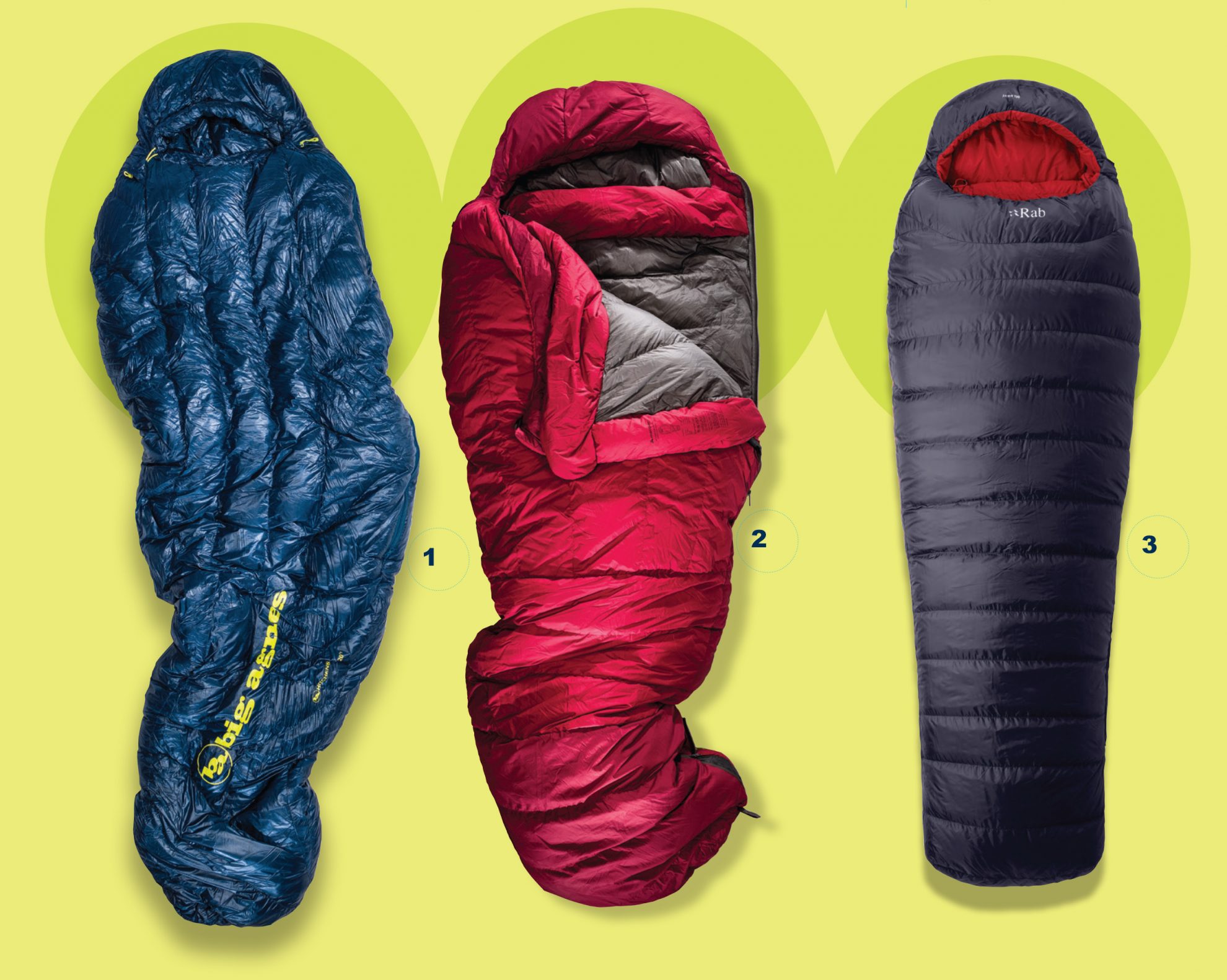
1. Big Agnes Hitchens UL $879
Use: Four season
Temperature rating: -6°C
Weight: 765g (regular)
An ultralight mummy-shaped bag with 850-fill power water-repellent DownTek insulation, contoured baffles trap heat closer to the body, ergonomic foot box, oversized draft collar and nylon ripstop shell with DWR coating. www.gearshop.co.nz
2. Macpac Latitude 500 XP $599.99
Use: Three season
Temperature rating: 0°C (comfort), -6°C (limit), -23°C (extreme)
Weight: 1100g.
A 700-fill goose down bag with a breathable, water-resistant Pertex Quantum Proshell. Tapered semi-rectangular shape with radial chest baffles to prevent down migration, full length side zip and foot zip offer ventilation options, draft tube and inside zip pocket. EN13537 rated. www.macpac.co.nz
3. Rab Ascent 700 $629.95
Use: Three-season
Temperature rating: -2°C (comfort), -8.5°C (limit), -27°C (extreme)
Weight: 1270g
Pertex Quantum inner and outer fabric, quick-drying 650+ fill power Nikwax hydrophobic European duck down, wide mummy shape, internal stash pocket, wide angled foot box, three-quarter-length side zip, internal collar and hood drawcord, trapezoidal baffle chamber design. EN13537: 2012 rated. www.outfitters.net.nz
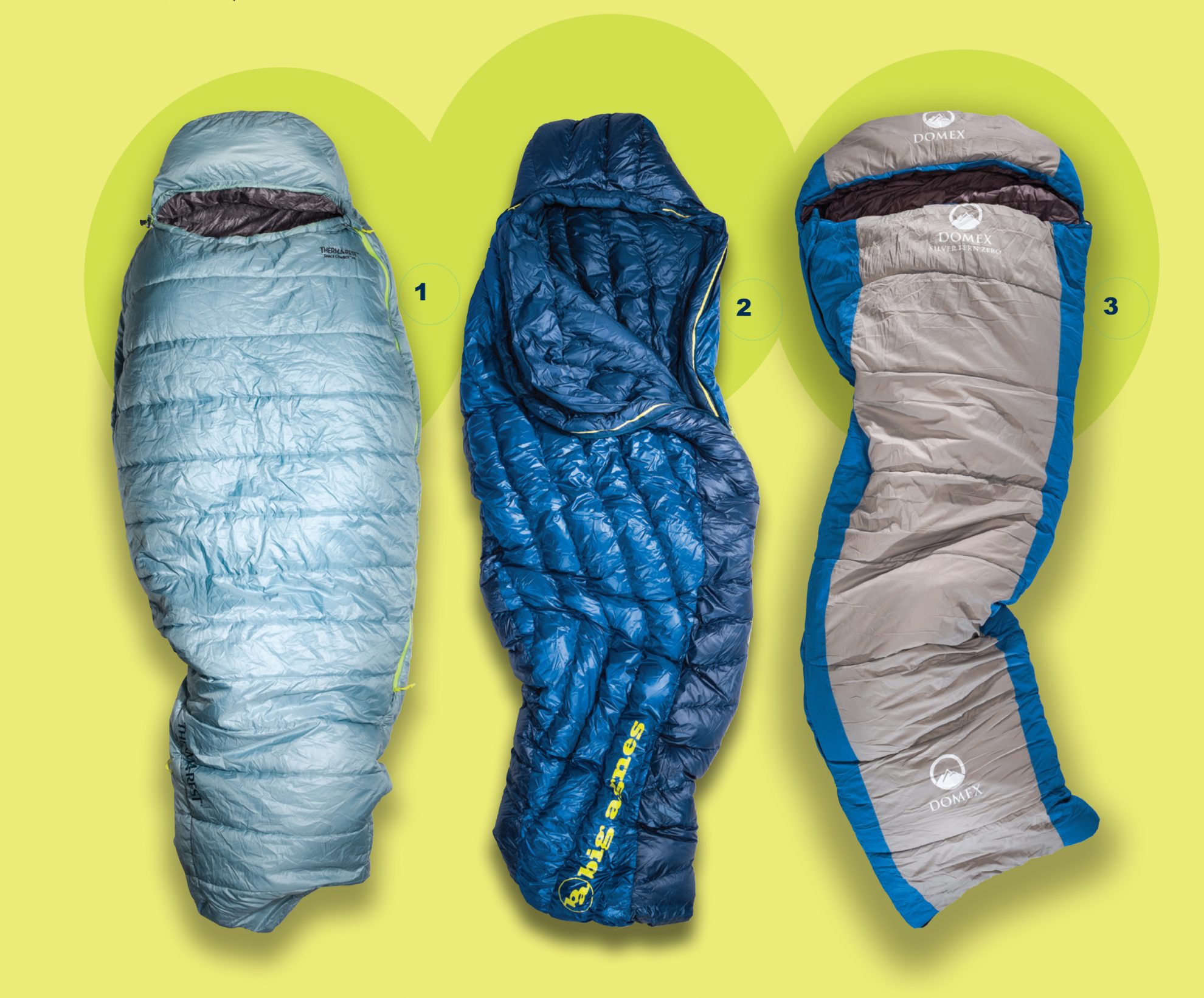
1. Therm-A-Rest Space Cowboy 45 $299.99 (regular)
Use: Three season
Temperature rating: 11°C (comfort), 7°C (limit), -6°C (extreme)
Weight: 450g (regular).
Feather-weight bag using water-resistant eraLoft synthetic insulation, packs small, SynergyLink straps prevent mattress roll-off, zoned insulation, Thermacapture lining traps radiant body heat, snag-free zipper and cinchable hood, 20D polyester ripstop shell. EN13537 rated. www.ampro.co.nz
2. Big Agnes Wiley SL $519.99
Use: Three season
Temperature rating: -1°C
Weight: 794g (regular)
The stuff sack clips onto the bag to become a sleeping mat sleeve to prevent roll-off, contoured baffles trap heat, anti-snag zipper draft tube, water-repellent 650-fill DownTek insulation, ripstop nylon shell with DWR treatment and a soft nylon taffeta lining. www.gearshop.co.nz
3. Domex Silver Fern Zero $179
Use: Three season
Temperature rating: 0°C
Weight: 1400g
Semi-rectangular shape provides more legroom than a mummy bag, can open out to duvet with full-length side and bottom zips, thermal barrier reflects body heat. Two offset layers of synthetic insulation provide warmth even when wet. Five-year warranty. www.tightlines.co.nz



