Where to buy
Most outdoors stores will sell PLBs, and a few will even offer rental options. Beacons can be purchased overseas, but it’s important to get your beacon recoded for New Zealand in order for it to be registered with the Rescue Coordination Centre NZ (RCCNZ). If you don’t do this, rescue services in the country you bought your beacon from will be sent your distress signal, delaying your rescue. Recoding the beacon can only be done through the manufacturer.
GPS and 406MHz
All modern beacons transmit a 406MHz signal, but some also transmit the older 121.5MHz signal – this helps searchers home in on your location. Your chosen PLB should also be GPS enabled (non GPS models still work but take longer for orbiting satellites to pinpoint your location).
How they work
When a PLB is activated, the signal is picked up by a satellite, which then sends information to RCCNZ. Activate the beacon with a clear view of the sky for the best chance of interception, and keep the beacon turned on and in one place once activated (it’s best to find a clearing and remain there until help arrives).
RCCNZ will then determine the exact location of the beacon, and will contact the people listed on the beacon’s registration details. This is why it’s important to register your beacon upon purchasing, to keep emergency contact details up-to-date, and to let those contacts know your plans in order to help establish your position.
When the position has been determined, RCCNZ will launch a search and rescue operation.
When to activate?
Distress beacons should be used in life-threatening situations. RCCNZ advise people to err on the side of caution and to activate their PLB with plenty of daylight; it’s easier and more convenient to search during the day than in the middle of the night.
Types of beacons
Most beacons work as an emergency device only – sending a signal when you need help. But some models also provide messaging and tracking options. These devices allow for pre-set messages to be sent and may be able to receive text messages and link up to social media accounts so your friends can follow your progress. These devices operate on a subscription service.

rescueMe PLB $549 |

ACR ResQLink $499-$530 |

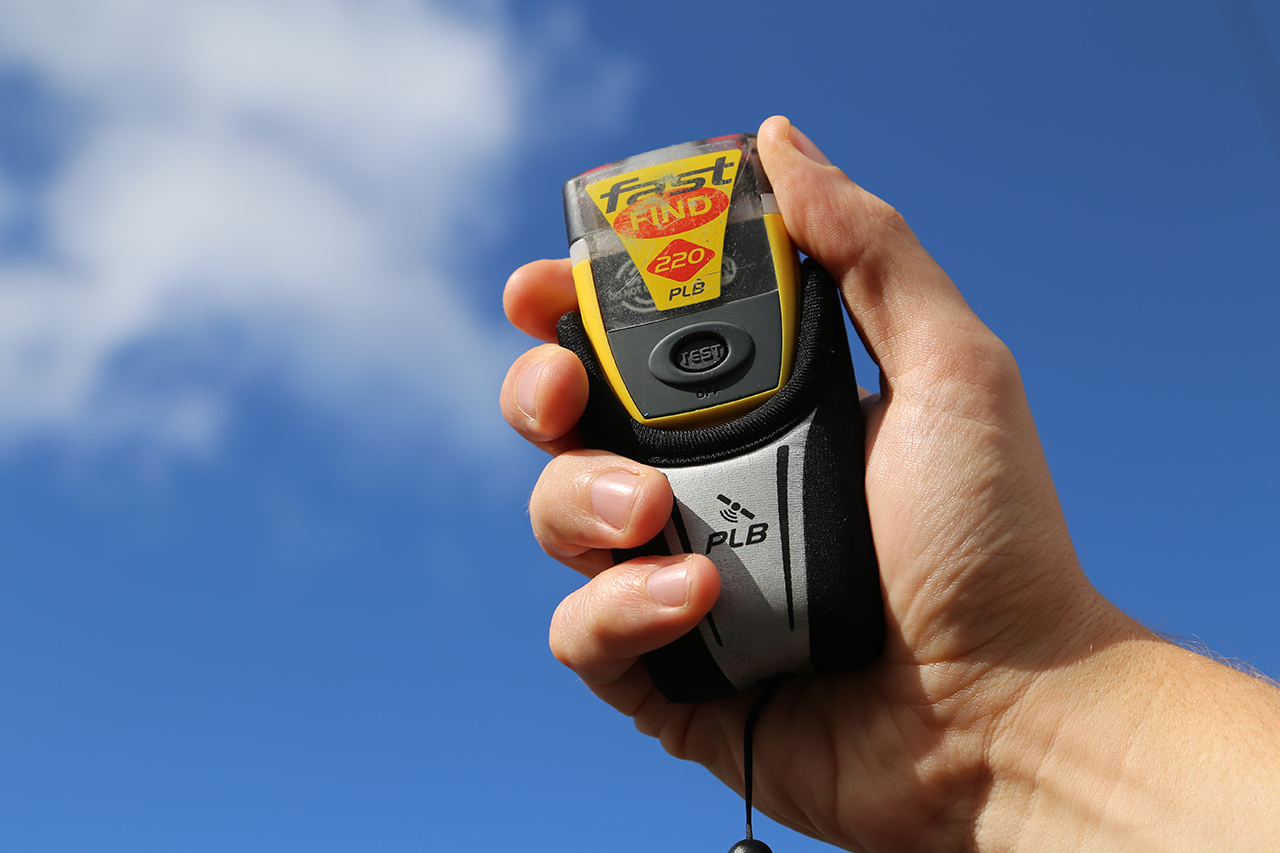
McMurdo Fast Find 220 GPS PLB $599 |

KTI Safety Alert $339 |