Rivers are more dangerous than the sea

February 2011

Read more from

February 2011

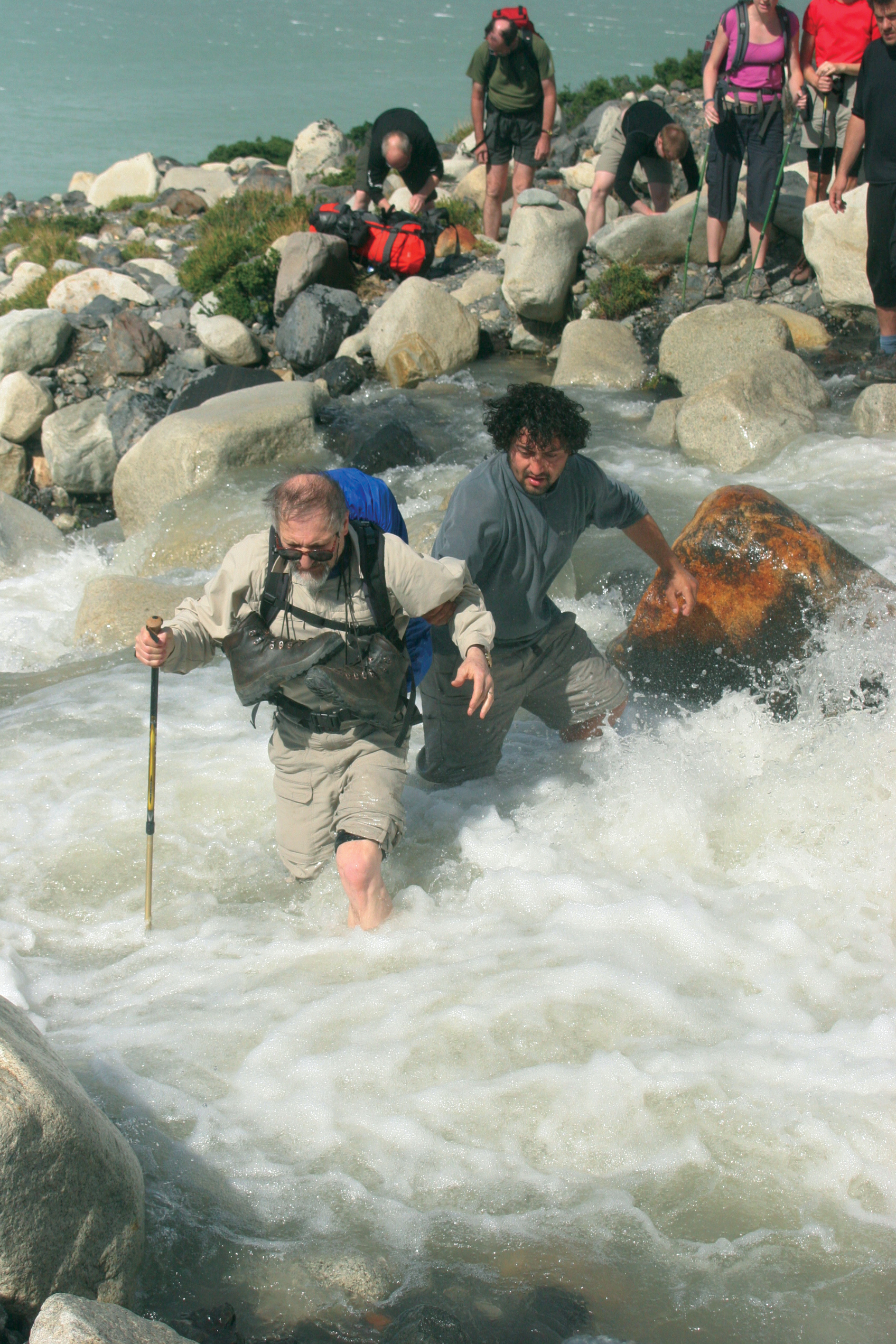
Treat each river crossing with caution – a river doesn’t have to be as fast flowing as this to sweep you away. Photo: John Spooner via Flickr

Tramping in the heat of summer makes rivers and streams hard to resist. With sweat on the brow, throwing off the pack and taking a dip is perfectly sensible.  

But Water Safety New Zealand general manager Matt Claridge has warned trampers to take extra care as rivers claim more lives in New Zealand than any other water environment. Already for this holiday period there’s been an increase in the number of drownings.

Claridge said trampers need to take particular care choosing where to cross a river or stream. “It can be a deceiving decision,” he said. “Even calm-looking rivers can be very powerful.”  According to Claridge, the safest place to cross a river is the widest and shallowest section. A river beach signals a shallow area and overhanging trees suggest depth. Throwing sticks into a river is a good way to check its speed.

“Rivers can be a very slow flowing and very benign one day, but after rainfall they can erupt into an incredibly dangerous environment the next. So keep in mind the weather forecast on the way back,” Claridge said.

Holding on to tramping companions for support is the safest method to cross rivers. Waistbelts or pack straps are best for grip while clothing is advised only if packs are not worn and the crossing is knee to thigh deep with a weak current. “It’s important to treat every body of water with adequate risk management steps,” he said. “Until you’re in it, you never actually know what lies beneath.”

THE 10 RULES OF RIVER SAFETY
  1. Plan your trip carefully, especially if this includes river crossings
  2. Have a leader with appropriate knowledge and experience
  3. Check and continually monitor weather conditions
  4. Understand river dynamics – speed, depth, colour, catchment area and run-out
  5. Identify all potential hazards upstream and downstream, below and above the surface
  6. Never swim or fish alone
  7. Always supervise children around rivers
  8. Know where, when and how to cross rivers – if in doubt, DO NOT CROSS
  9. Learn recovery techniques
  10. After your trip, dry and clean your equipment to stop the spread of algae such as didymo

About the author

Ruth Soukoutou

More From Waypoints

Similar Articles

Getting Technical

The three trips that changed my life: Celia Hogan

Five ways to Lake Angelus

Trending Now

Dirt bike trial on Tongariro Northern Circuit gets approval

Knockin’ on heaven’s door

The 2026 guide to sleeping mats

The 2026 Wilderness Outdoor Photographer of the Year competition

Getting Technical

Subscribe!
Each issue of Wilderness celebrates Aotearoa’s great outdoors — written and photographed with care, not algorithms.Subscribe and help keep our wild stories alive.

Join Wilderness. You'll see more, do more and live more.

Already a subscriber?  to keep reading. Or…

34 years of inspiring New Zealanders to explore the outdoors. Don’t miss out — subscribe today.

Your subscriber-only benefits:

All this for as little as $6.75/month.

1

free articles left this month.

Already a subscriber? Login Now