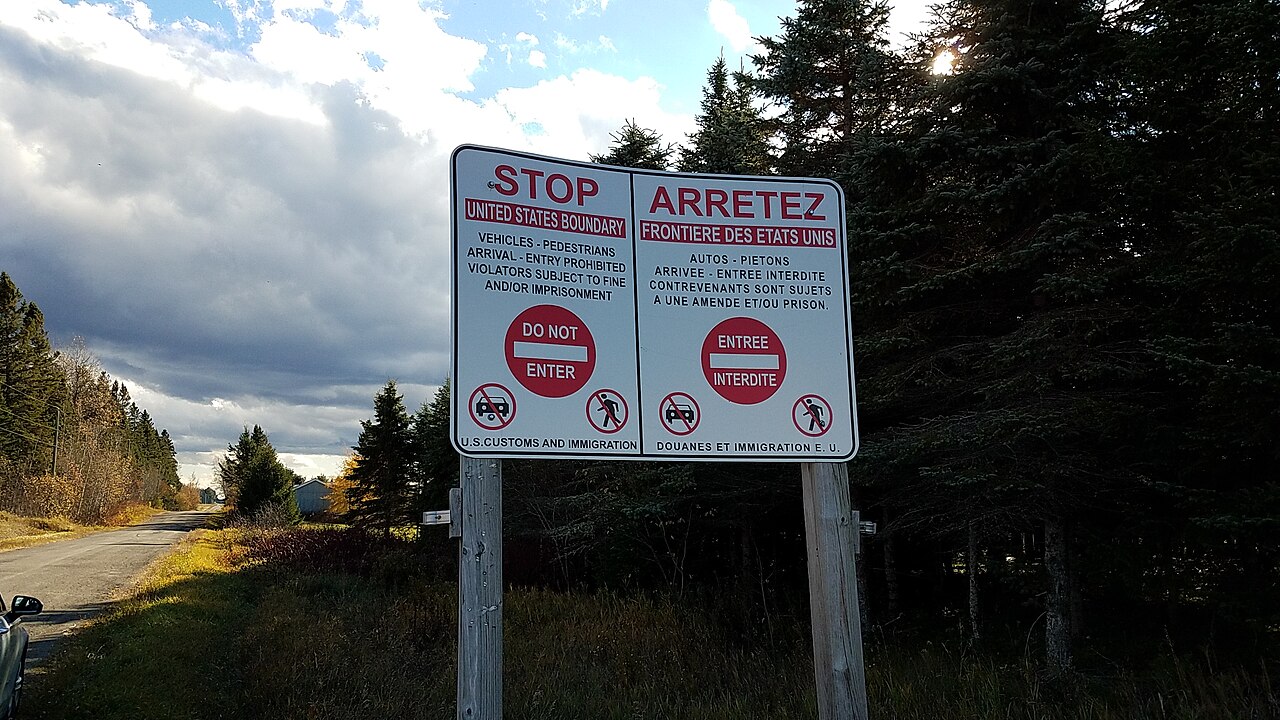
In recent months, hiking hopefuls with valid visas and detailed itineraries have reported being pulled into secondary screening, accused of lying about plans, and being sent home before setting foot outside the airport.
Their experiences, shared across blogs, forums, and social media, have introduced a new layer of uncertainty to long-distance hiking in the U.S.
As the stories circulate, they’re raising an uncomfortable question among would-be hikers worldwide: Even with your paperwork in order, can you still count on making it to an American trailhead?
“Thru-hikers can be particularly vulnerable to being turned away just because of the nature of a thru-hike hike: You frequently have to quit your job, save up a lot of money, show up with very few items in a backpack, and you may not have significant ties to your country,” says Amy Grenier, American Immigration Lawyers Association’s associate director of government relations, “If you’re a customs officer, and you’re looking at this like on a surface level, that’s not much different than some people that would be trying to relocate to the United States.”
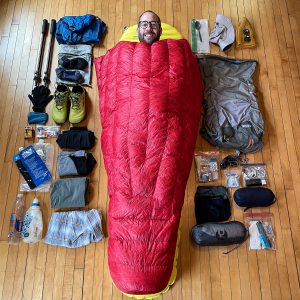
Planning a thru-hike in the US? Backpacker has created this list on how to prepare for US customs.
NZ website spreads misinformation about tracks and huts
After AI-generated articles containing false information about backcountry tramping were published online and shared in social media posts, DOC is warning people to ensure their information comes from legitimate sources.
Morningside.nz contains information about businesses in the Auckland suburb of Morningside. Since early July, however, a ‘news’ tab on the website has published numerous false articles about DOC.
Headlines include ‘DOC shuts down access to this popular river crossing after “unusual activity”’ and ‘Locals say this forest path was cursed decades ago – now DOC has blocked access’. The articles follow similar patterns, mentioning a ‘backcountry walk’ and referring to ‘iwi conflict’ or the discovery of ‘taonga’. Other articles imply there are hidden tracks only known to locals or popular huts that are fully booked and unusable.
Read the full web exclusive from Wilderness.
‘Great Rides’ need double the money to keep running
Maintenance funding for the country’s ‘Great Rides’ trails will need to double in the next decade, or some will degrade so much they will lose that status.
The trails generate just under $1 billion annually in benefits to regional economies, drawing approximately a million cyclists and walkers each year.
The government puts $8m a year towards the trails through the International Visitor and Conservation Levy, and councils have co-invested at least $60m into the rides.
But an Official Information Act response from the Ministry of Business, Innovation and Employment, released to RNZ, shows an estimated $160 million will be needed to maintain and enhance the Great Rides over the next 10 years.
“Without additional funding, there is a risk the Great Rides will gradually decline over time, potentially resulting in the removal of Great Ride status from some underperforming trails,” the briefing to Tourism Minister Louise Upston says.
Read the full story and listen to RNZ’s Nine to Noon segment here.
Mountaineers call for fair treatment on paid parking scheme
In late 2024, DOC announced that for the 2025/26 summer period, it would introduce a pilot scheme at three South Island visitor hotspots, aiming to help manage visitor pressure at the sites and support conservation.
Federated Mountain Clubs (FMC) president Megan Dimozantos said putting in place a “blunt tool” such as access charging at White Horse Hill could have unintended consequences. The FMC has asked DOC to consider backcountry users of Aoraki Mt Cook ahead of a trial paid parking scheme at White Horse Hill. She
“Conservation volunteers and people who are going into the backcountry … they’re purely using that car park as an access to go to a different place that’s further back in the conservation estate,” she said.
Often such users contributed to conservation efforts at Aoraki Mt Cook, she added. If the trial was successful, Dimozantos said FMC was also concerned that access charging could creep to areas where overcrowding was not a problem.
Dimozantos said FMC understood that DOC was under pressure to “return a profit from the conservation estate” and acknowledged the challenges the department faced with overcrowding in some areas. Read the full story from The Press.
Mt Ruapehu tragedy prompts safety warning for early winter skiers
An inquiry into the death of a backcountry skier on Mt Ruapehu has prompted a reminder from the New Zealand Mountain Safety Council for people to take extra care when planning backcountry skiing trips in early winter.
In her findings released last month, Coroner Katharine Greig concluded that 64-year-old Ian Malcolm Howat, from Wellington, fell in rocky terrain while skiing in icy snow conditions and sustained a fatal chest injury.
Howat was an experienced skier and mountaineer, and was a long-time member of the Tararua Tramping Club who skied on Mt Ruapehu regularly, a press release from the Mountain Safety Council said.
On June 24, 2022, he and a fellow club member set out for Skyline Ridge above the Pinnacles, with Howat planning to ski his way down. Although the route is within the Whakapapa skifield, the field had not yet opened for the season, so it was considered a backcountry area.
When Howat failed to arrive at the lodge, his companion called the police at 5pm, activating a search and rescue operation. Read the full story from The NZ Herald.