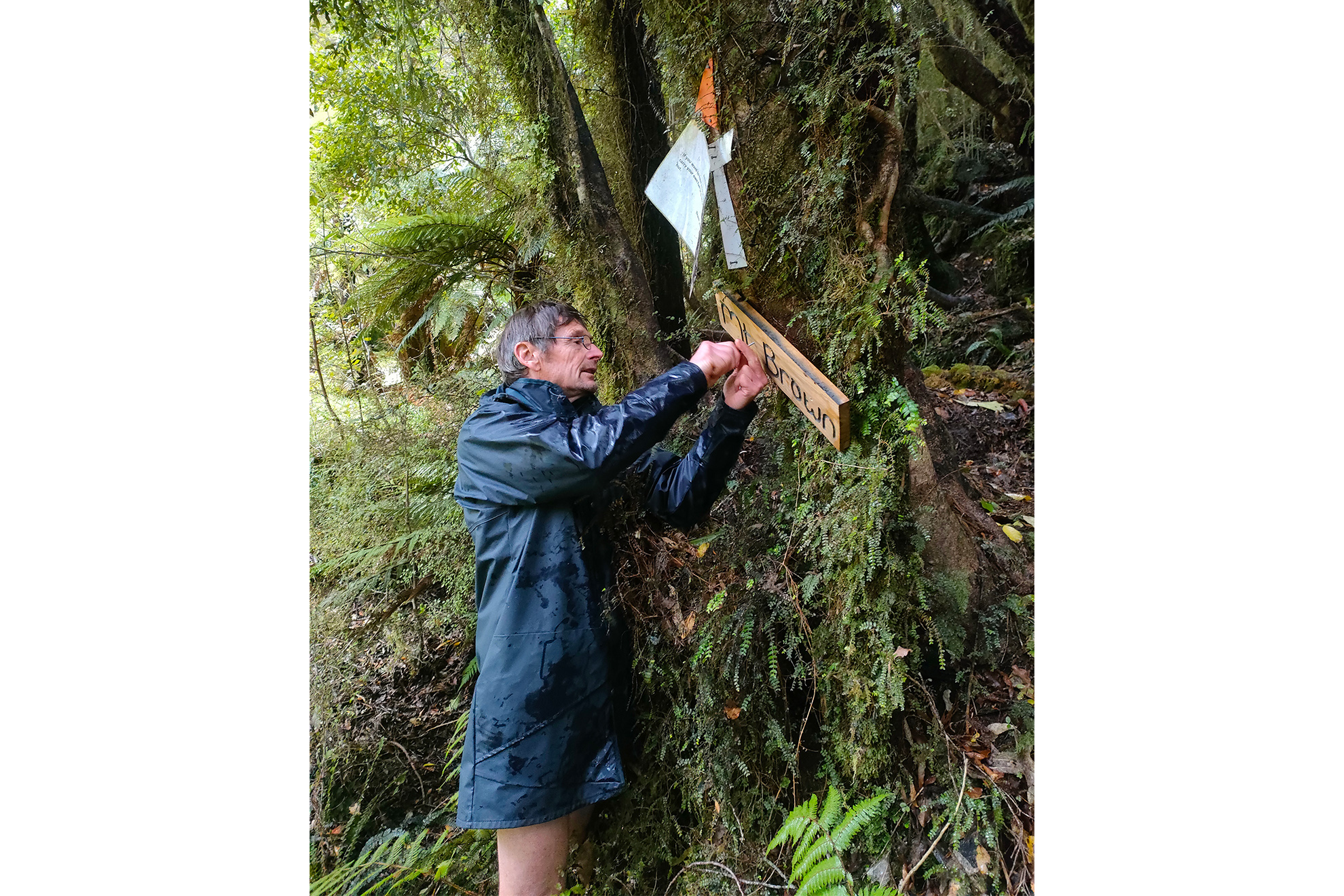
The group’s name, Permolat, comes from the small strips of white or red aluminium the NZFS used to mark their routes. Many of those on Permolat’s Remote Huts website are marked in this way.
In 2005 the first official Permolat project took place on an overgrown route in the mid-Kokatahi Valley. A small team with hand tools spent four days cutting through windfall and dense bush and re-marking the track.
“By now DOC was aware of our activity and was figuring out how to deal with this new phenomenon on their turf,” Buglass says.
The group found allies in key DOC staff, including regional conservator Mike Slater, who gave his approval for volunteers to recut the old routes, as long as they were pre-existing tracks and were marked with permolat rather than the official orange triangles.
“This would relieve them of any liability should anyone come to grief on one of our tracks,” says Buglass.
But tracks weren’t their only concern, he says. “We had our sights on some huts and bivouacs that had been designated for removal in the 2004 review, and we advanced the proposal that individuals or community groups could take over their maintenance.”
Permolat signed the first ‘maintain by community’ contract with DOC in 2006 for Scottys Biv, a rarely visited two-bunker built in 1958 on the Tara Tama Range.
A second contract was signed in 2009, for Mid Styx Hut: volunteers re-floored and re-piled the hut and tidied up access tracks.
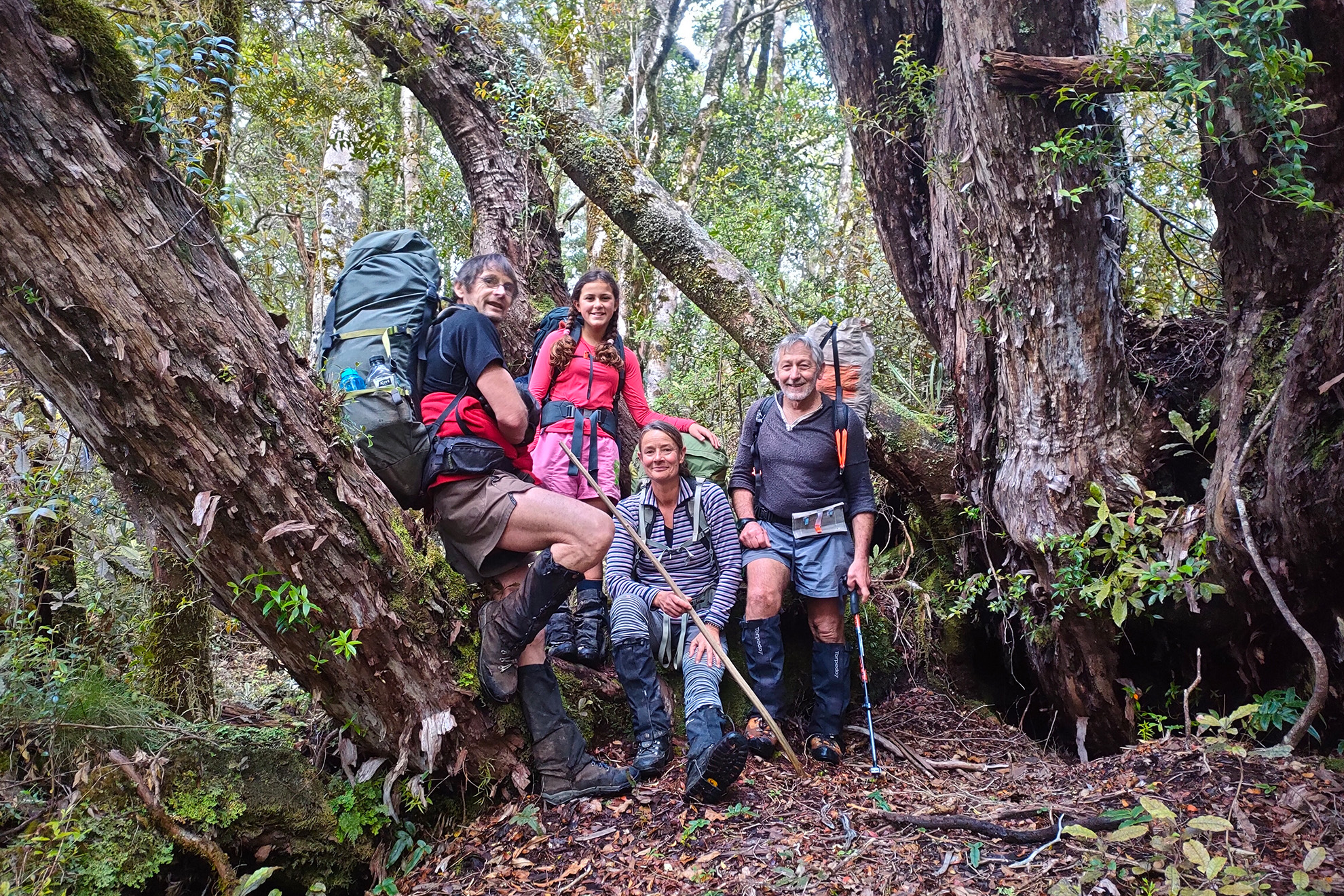
Over the next few years a flurry of activity took place. Kakapo Hut in the Karamea Valley was restored, and tracks onto the Newton and McArthur ranges were reopened. Permolat also helped Kokatahi Tramping Club rebuild the old Lower Arahura Hut on the tops above Lake Kaniere to create Mt Brown Hut.
The collective was gathering momentum.
A decade after the review, Buglass’s former high school buddy and tramping companion Lou Sanson was promoted to director-general of DOC. He became one of Permolat’s most valuable allies and declared there would be no more hut removals under his watch.
In 2014 the Permolat Trust was established to manage donations.
In the years that followed, Old Julia Hut in the Taipo Valley was revamped by Max Dorfliger and Dick Brasier, with DOC providing most of the materials; Mungo Hut in the Hokitika catchment was overhauled by Rob Brown and friends; and Geoff Spearpoint and friends gave Tunnel Creek Hut at the head of the Paringa Valley a significant makeover, including an overhaul of access tracks. Old Julia is a joint DOC and Permolat venture, while Mungo and Tunnel Creek are maintain-by-community initiatives with Brown and Spearpoint as contract signatories.
Around 2017 DOC moved away from individual contracts and signed a general agreement with Permolat that allowed volunteers to work on a range of huts and tracks.
By now a number of caretaker groups around the country were undertaking volunteer work. The Backcountry Trust (BCT) was formed in 2017 from a consortium of outdoor entities, including the Deerstalkers Association, Trail Fund and Federated Mountain Clubs.
The establishment of BCT enabled access to a larger funding pool – around $450,000 a year from DOC for hut and track repairs – meaning bigger projects could be undertaken to higher standards.
Spearpoint was involved in BCT and Permolat from the start and is a trustee of both. He says the complementary relationship between the two groups meant that, with the better-resourced and organised BCT tackling larger jobs across the country, Permolat could focus on keeping its West Coast remote track networks open.
“BCT was set up to distribute limited funding to volunteers around the country, whereas Permolat was formed to unite like-minded folk to do the maintenance at a regional level on the West Coast,” says Spearpoint.
In 2019 Buglass and his partner, Joke de Rijke, joined Rob Brown from BCT and Ted Brennan on a rebuild of Crystal Biv in the Toaroha, accompanied by the founding editor of NZ Geographic, Kennedy Warne, who wrote an article for the magazine called ‘The Hut Keepers’.
The notoriety helped earn Buglass a Queen’s Service Medal for services to recreation and conservation, placing him in the limelight.
“I’m not entirely comfortable with the award, given the huge amount of work being done by others, but to turn it down would be an insult to them,” he says. “I still think it should have been given to the whole Permolat group rather than an individual.”
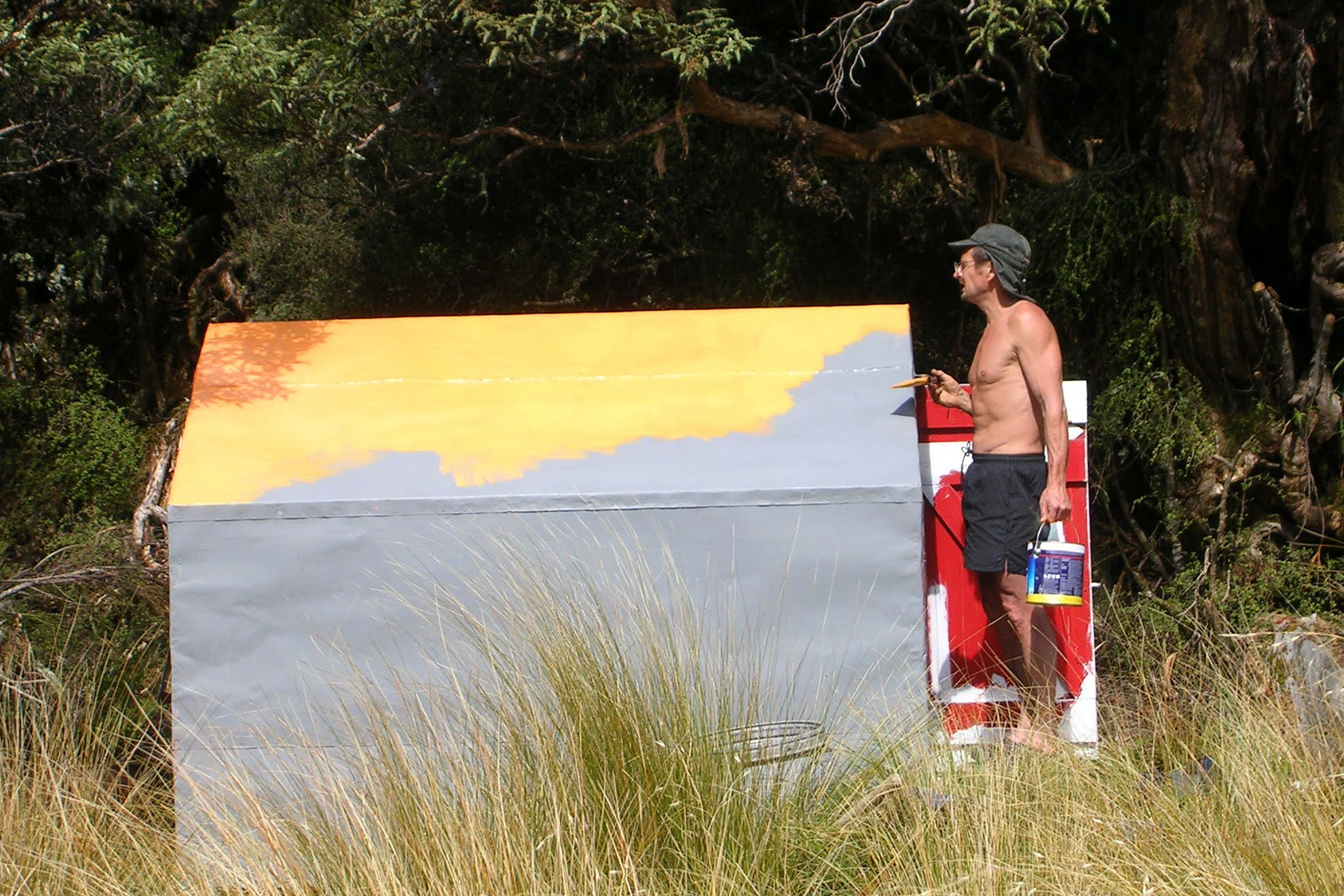
Today, according to Buglass, with its network of huts in mint condition and the BCT leading most of the maintenance projects, Permolat has effectively served its purpose as the catalyst for community-led hut restoration projects on the Coast. It’s something he considers deeply satisfying.
“We [Permolat] have already become a minor player in the greater scheme of things,” Buglass says. “The volunteer movement has taken on its own momentum and morphed in many directions in different parts of the country, which is a fantastic outcome, better than I’d ever imagined. At the outset of Permolat and the Remote Huts site, I was only thinking I could save one or two huts.”
Now, twenty-two years since its inception, Permolat history is repeating. DOC has announced a new round of budget cuts under the coalition government. Another list of backcountry huts and shelters has been earmarked for removal. DOC is appealing to philanthropists for donations to help fund its work and has announced a partnership with the NZ Nature Fund.
Buglass isn’t too fazed. “Groups like Permolat operate at the grassroots regardless of what’s happening in central government,” he says. “Some of this funding might trickle down to us, or not, but it doesn’t matter because we’ll keep doing what we’re doing and find our own resources, which we’re quite capable of.”
These days you’ll often find Buglass roaming the hills with de Rijke, a pair of loppers at the ready. With the remote low-use outdoor hut and track network in its best shape, many of these trips are social affairs. Coffee is brewed over open fires, camps are set up on the tops and scones are baked on woodstoves.
Wherever the location, there’s endless opportunity to soak up the ever-changing beauty of the wild places that have been Buglass’s spiritual home for the past 50 years. And when the weather closes in, little strips of Permolat lead the way to remote huts and bivvies that offer welcome respite from the elements.