A wrap of the biggest stories and best writing about the outdoors from New Zealand and around the world.
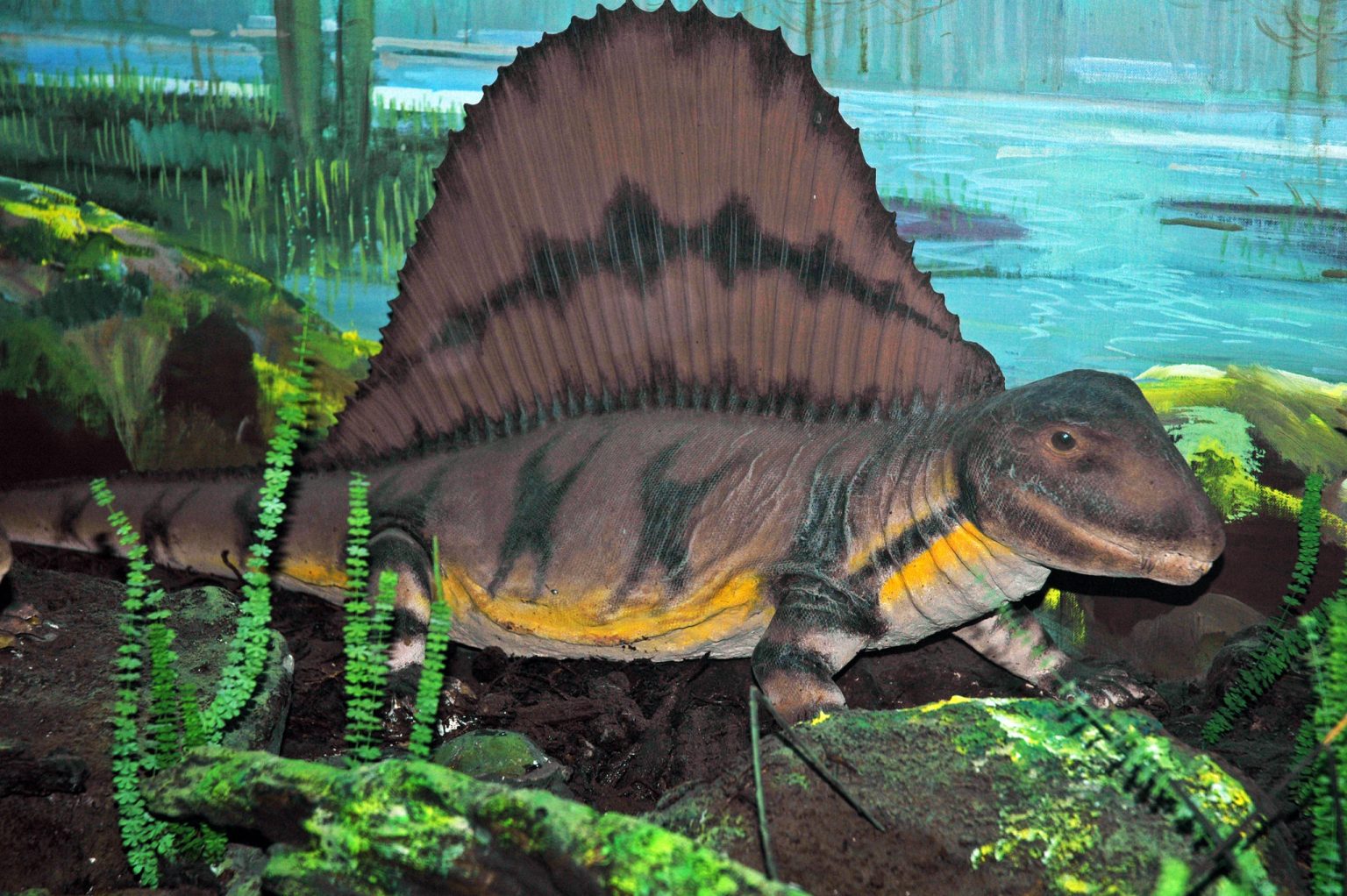
A hiker in the northern Italian Alps stumbled across the first trace of what scientists believe to be an entire prehistoric ecosystem, including the well-preserved footprints of reptiles and amphibians.
The discovery in the Valtellina Orobie mountain range dates back 280 million years to the Permian period, the age immediately before dinosaurs.
Claudia Steffensen and her husband were navigating a rocky trail in the Ambria Valley when she stepped on a light grey rock covered in “strange designs”.
“I put my foot on a rock, which struck me as odd as it seemed more like a slab of cement. I then noticed these strange circular designs with wavy lines. I took a closer look and realised they were footprints,” she said.
The footprints turned out to belong to a prehistoric reptile. Lorenzo Marchetti a trace fossils specialist at the museum of natural history in Berlin, said the preservation of the footprints was such that they revealed “impressive details”, such as “the imprints of fingernails and the belly skin of some animals”.
The ecosystem also revealed fossilised fragments of plants, seeds and even imprints of raindrops. Read the full story from The Guardian.
New 34-bunk hut to replace Pouākai Hut
After more than 40 years weathering storms, snow, glaring sun and gale-force winds the much-loved Pouākai Hut in Te Papa-Kura o Taranaki / Egmont National Park is being replaced. Built in 1981 the 16-bunk hut is one of the oldest huts in the national park.
Its replacement will feature 34 bunks across four bunk rooms with an additional two separate bunks for wardens. DOC Hauraki-Waikato-Taranaki regional director Tinaka Mearns said Pouākai Hut was the busiest in the national park, with a 95 percent occupancy rate during the summer period.
“After years of service Pouākai Hut is now showing signs of considerable wear and tear – and with demand for overnight stays increasing, it’s appropriate to provide visitors with a facility that is fit-for purpose,” said Mearns.
Pouākai Hut had been temporarily removed from the DOC booking system while works were underway, and camping would not be permitted. “We expect to open the new Pouākai Hut to be open to visitors in May 2025, with bookings reopening closer to the time,” Mearns said. Read the full story from RNZ.
Slip partially closes section of Paparoa Great Walk
The Department of Conservation (DOC) is warning trampers that part of the Paparoa Great Walk track has been damaged due to a big slip.
A section between the Pike29 Track junction and the Pororari Hut will be closed until December 21 as work is carried out to restore the track.
Greymouth district operations manager Chris Hickford said the slip was about 25 to 30m wide. “Unfortunately, it is on a steep slope with no safe detour above or below and it will require significant repairs to re-establish a safe route,” he said. “We estimate that the repairs will take two weeks to complete.”
DOC said access to the Pororari Hut was still possible via the northern end of the track. From the south, there is an alternative access on and off the Paparoa Track via the Pike29 Track down into the Pike River Valley. Read more from Stuff.
Mayors chime in on national park fee plan
Waitaki and Queenstown Lakes district mayors have responded positively to the government’s recent proposal to charge people for visiting national parks but are keen to see the details.
On November 15, two discussion documents were released by the government which detailed a proposal to charge for entry to conservation land as well as the streamlining of concessions for more flexibility around land exchange and disposals. These documents have been proposed as a means of “modernising the conservation system”.
Queenstown Lakes District Mayor Glyn Lewers responded with a statement saying that although he was “an advocate of regenerative tourism and ‘user pay’ access”, there were still several elements that needed to be addressed.
Waitaki District Mayor Gary Kircher had similar views. When it came to the conservation of land in the Waitaki District, he was not “opposed to finding other revenue”. Looking more specifically at smaller regions including Wanaka, Mr Kircher said “a lot of areas are oversubscribed”. Read the full story from the Otago Daily Times.
Tararua District’s unique geological features eyed as heritage sites
Geological features within the Tararua District are being looked at as potential heritage sites and a steering group is aiming for Unesco listings. One of those sites is the Manawatū Gorge, which the group is hoping to develop as a geopark.
Steering group spokesman Keith Joblin spoke at the November meeting of Tararua District Council outlining what could be a 10-year process to list the geopark as a world heritage site, under the auspices of the United Nations Educational, Scientific and Cultural Organisation.
Joblin said the plan was based around the Manawatū Gorge, but it was far more extensive than that. He said they had been working on the idea for some time, starting out in discussion with a range of individuals including MPs and councillors to see if there was any interest in the idea and if it could be achieved.
Vince Neall – a professor of earth science at Massey University, said key requirements included geological significance, geodiversity and natural heritage, management structure, conservation, sustainable development, education and research and others. Read the full story from the NZ Herald.