A wrap of the biggest stories and best writing about the outdoors from New Zealand and around the world.
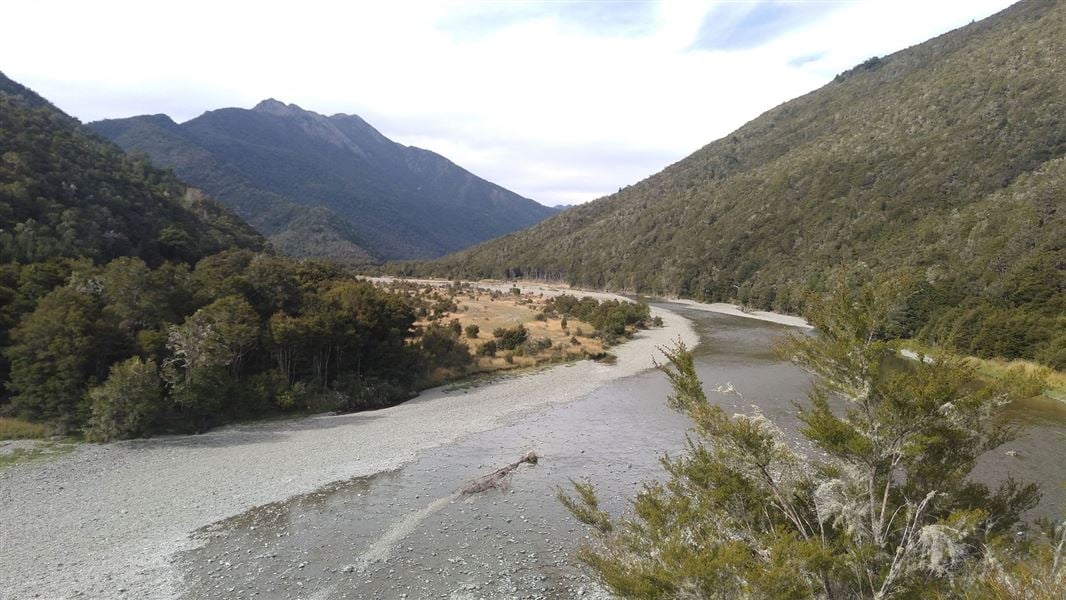
With parts of Marlborough at an extremely high risk of wildfire, forestry company OneFortyOne has closed its public access roads into Mount Richmond Forest Park. Kylie Reeves, OneFortyOne’s corporate affairs manager, said the restrictions came into place on February 15th and would continue until further notice.
“The restriction will impact all public access easements in our forests as well as OneFortyOne public permits,” Reeves said. “We understand that this may cause some frustration by the public, but we know there is a major risk of a fire occurring in our forest that will be very difficult to control.”
Reeves said the decision to close its access roads was made after consulting with the National Institute of Water and Atmospheric Research (Niwa) and Fire and Emergency New Zealand’s (FENZ) Wildfire Readiness and Prevention forecast.
Reeves said she believed that most recreational groups and members of the public who used the forests would accept the current closures given the fire risks Marlborough was facing.
For more information on the closures, visit OneFortyOne’s Public Information page and read the full story from Stuff.
Aoraki Mount Cook track temporarily closed to day walkers
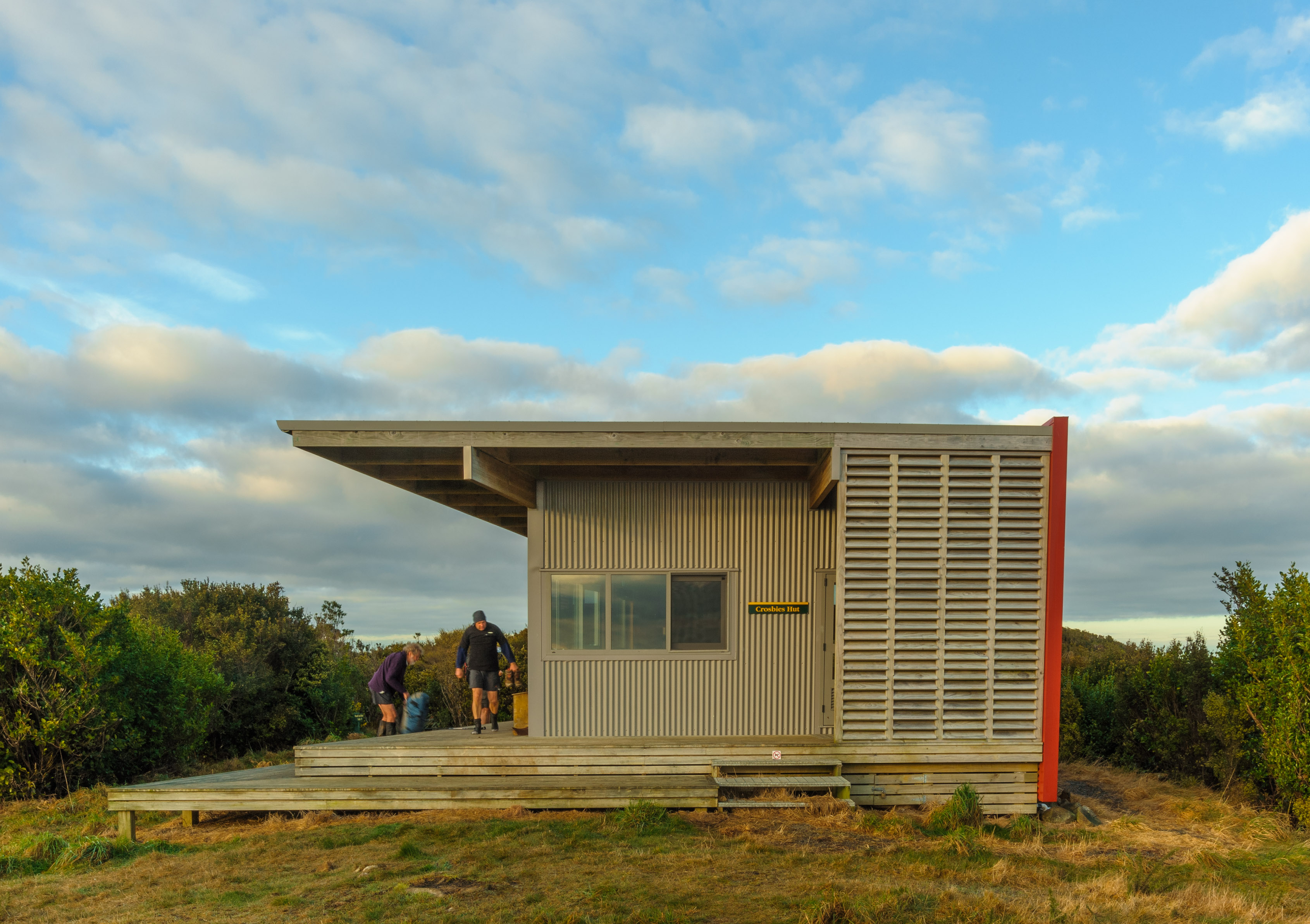
There have been more trampers than anticipated on the Mueller Hut Route at Aoraki Mount Cook National Park this summer. DOC has temporarily closed the track to day trekkers because the toilets at one of its huts are almost full. Those with bookings can still use the track and toilets.
DOC Aoraki Mount Cook operations manager Sally Jones said the decision comes in light of protecting the environment. “We are closing the track to day walkers because it goes through a pristine and fragile alpine environment, which will be negatively affected if people are toileting outside of the provided facilities. It is also a popular track and people toileting could pose a health risk to visitors.”
With the hut largely booked out through summer, Jones was unable to say when the track would reopen to day walkers. Read the full story from RNZ.
Mount Everest climbers now required to bag up their poop
People climbing Mount Everest will now have to clear up their own poo and bring it back to base camp to be disposed of.
“Our mountains have begun to stink,” Mingma Sherpa, chairman of Pasang Lhamu rural municipality, told the BBC. The municipality, which covers most of the Everest region, has introduced the new rule as part of wider measures being implemented.
Due to extreme temperatures, excrement left on Everest does not fully degrade. “We are getting complaints that human stools are visible on rocks and some climbers are falling sick. This is not acceptable and erodes our image,” Mr Mingma adds.
Climbers attempting Mount Everest, the world’s highest peak, and nearby Mount Lhotse will be ordered to buy so-called poo bags at base camp, which will be “checked upon their return”. Read the full story from the BBC.
Hiker strangles rabid coyote to death with bare hands
A 58-year-old hiker was attacked by a rabid coyote in Rhode Island, USA and had to strangle the animal to stop it, according to local Police Chief Mark A. Vieira.
The coyote bit the man on his leg and he had to “subdue the coyote by pinning it down by its neck, subsequently suffocating the coyote,” Vieira told the Warwick Beacon.
Health officials tested the animal’s body for rabies, and it came back positive for the virus. The State of Rhode Island Department of Environmental Management has also confirmed the same coyote was responsible for two recent attacks in the area.
Kiwi numbers are increasing in remote Fiordland
Kiwi numbers are increasing in a remote part of Fiordland, thanks to aerial predator control operations. The population of Fiordland kiwi at Shy Lake is growing about 2% per year, officially reversing their decline. Until 2020 the birds were on a downward slide to extinction as stoat predation reduced chick survival to zero.
“Fiordland tokoeka live in harsh, rugged terrain. Even without the threat of predation, it can be an uphill battle to survive to adulthood. We can’t control the environment, but we can do something about the stoats and give these chicks a better chance. And these latest population figures show it’s working,” DOC’s Project Lead for tokoeka/kiwi Chris Dodd said.
However, there is still a lot of work required to reverse the decline of kiwi in Fiordland. Currently only about one-quarter of Fiordland kiwi habitat received any predator control. Read the full story from Stuff.
Is Luxembourg Europe’s best hiking destination?
At roughly 2,500 square kilometres, Luxembourg is slightly smaller than Hong Kong. And what may be a shock to some, The Sunday Times has declared Luxembourg is Europe’s best hiking destination.
Writer James Patterson highlights his recent trip on the 88km Minett Trail which features red ironstone speckled swatches of tan limestone, lush forest walking and nights in hiker huts known as kabaisercher.
Dotted along the trail are relics of the region’s industrial heritage. The kabaisercher huts themselves often bear some relation to the mining heritage of the region. The buildings were formerly a clerical office, a weigh station and an industrial hangar.