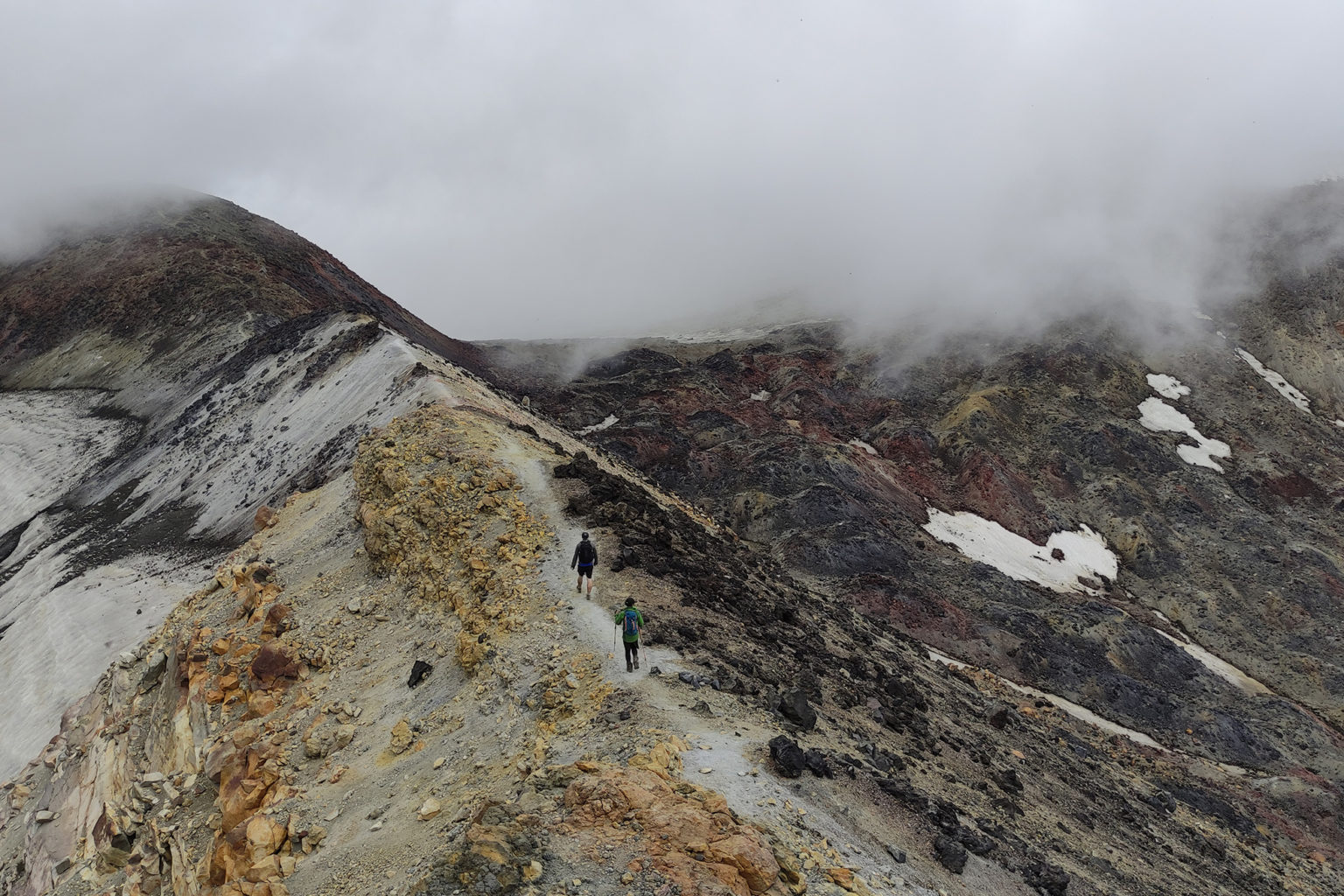
The role heuristics play in our decision-making can lead to dangerous situations in the outdoors.
Heuristics play a critical role in our lives every day, providing mental shortcuts that help our brains make decisions faster and more efficiently. Most of the time this is a good thing, but in a harsh and unforgiving environment, making decisions through mental shortcuts can lead to a dangerous trap.
Heuristic traps are key factors in many outdoor incidents. Never heard of them? In this series, the NZ Mountain Safety Council breaks down some of the most common heuristic traps, how they arise and how to avoid them so you make it home safely.
Are you more likely to do something that you’re not sure about if you see others doing it, or see evidence that others have done it? A common everyday example is jaywalking. If you’re alone at a pedestrian crossing and the crossing light is red, you’re probably less likely to race across the street than if others around you were dashing over already. This heuristic trap is called ‘social proof’, but some also call it ‘tracks’, as in ‘following the path of those before you’.
Social proof becomes a heuristic trap when we start thinking a route, decision, or an action is safe because others are doing it (or you can see evidence they have done it) and aren’t getting into trouble. They may know something you don’t, have better fitness or skills, or ultimately they may have just been lucky. It’s quite possible they are actually making a bad call and just haven’t faced the consequences of it yet.
Imagine you’re going tramping over the weekend on a route you’ve always wanted to do, but the weather forecast is patchy. It’s swung an alteration to a more conservative plan B. At the car park people can be seen heading off on your original plan A route, which makes you think ‘they’re heading there, maybe it is ok after all?’, so you decide to follow because ‘if they’re going, it must be ok’.
Later in the trip, the weather has deteriorated and you’re being saturated by rain. The others ahead have already donned rain gear and carried on, but you’re not as well equipped. You don’t realise it, but hypothermia is setting in. And, as you decide to carry on, your cognitive ability starts slipping.
It’s possible that most of us have made decisions to break a rule or take a risk because we’ve seen others do it. Frequently we are influenced by the actions of others. It requires discipline to avoid this.
Before following others, consider, ‘Are they more prepared, experienced or skilled than I am? Do they know something I don’t, or do I know something they don’t?’
Ultimately, it again comes back to, ‘If I hadn’t seen them or anyone else doing this, would I still give it a try?’ Being honest answering these questions should paint a pretty clear picture about whether your next decision is yours, or someone else’s!
This article is part of a series on heuristic traps. Six main heuristic traps play a part in almost every outdoor incident: Familiarity, Conformity, Commitment, Expert Halo, Social Proof, and Scarcity. Knowing what they are and how to avoid them can help you enjoy the outdoors safely.
34 years of inspiring New Zealanders to explore the outdoors. Don’t miss out — subscribe today.

Questions? Contact us