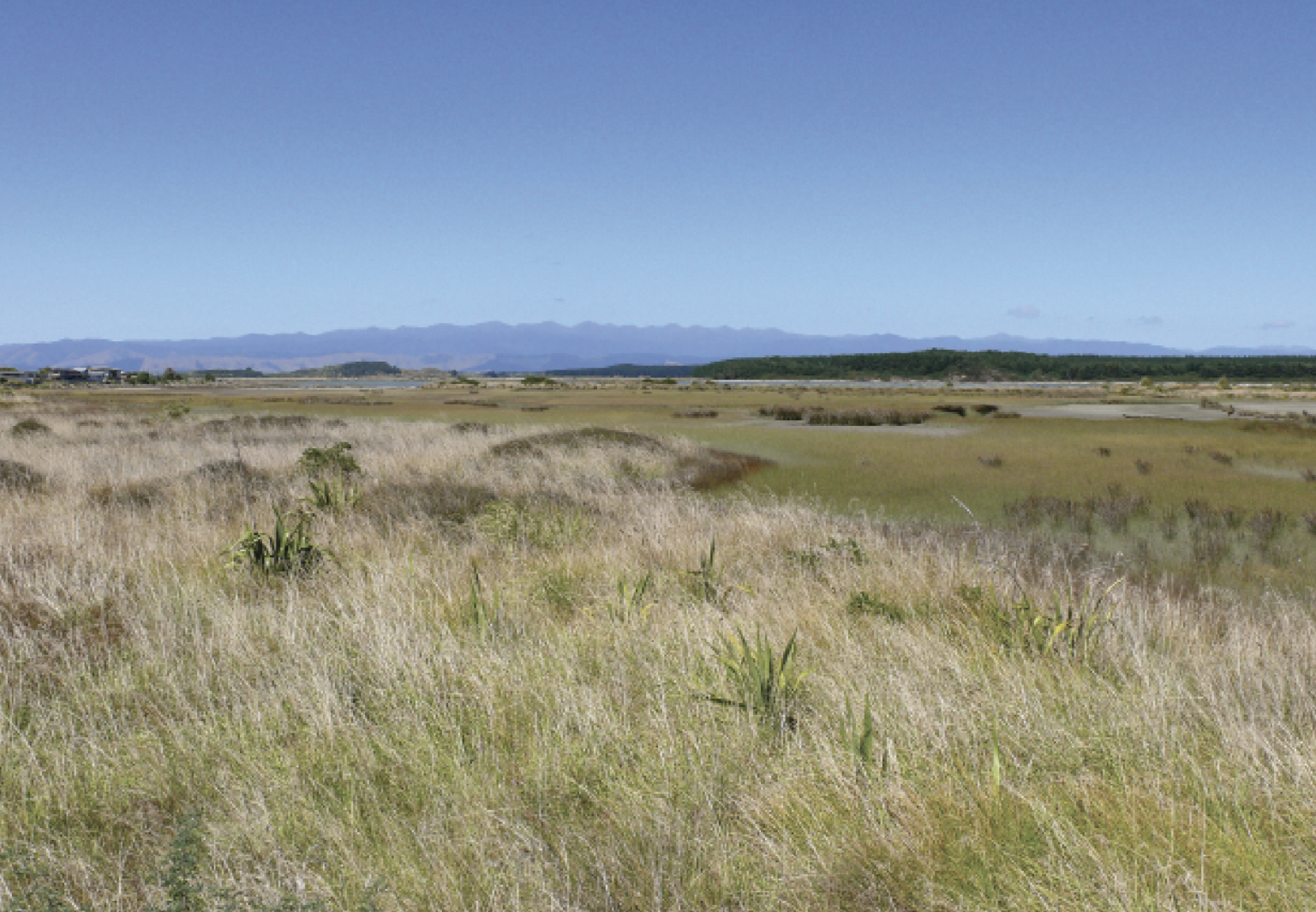
Land conversion, pollution and climate change are taking a toll on our dwindling wetlands, a new report has found.
The report on the state of New Zealand wetland conservation shows historical drivers of wetland loss have mostly been addressed, but remaining wetlands are difficult to restore and are at risk of ongoing decline.
“Last summer was a stark reminder of our wetlands’ vulnerability when the Awarua wetland in Southland and Kaimaumau-Motutangi in Northland were both ravaged by fire,” said Danica Stent,DOC’s international policy manager.
Seven New Zealand wetlands, including the Firth of Thames, Manawatū Estuary and Farewell Spit,are listed as internationally significant under the Ramsar Convention, an intergovernmental treaty for protection of wetlands.
Stent said 90 per cent of Aotearoa’s wetlands had been lost since humans arrived, with some lowland wetlands now less than one per cent oftheir original size.
“We can’t afford to lose more wetlands. They are a source of mahinga kai for Māori, a site for recreation, and a breeding ground and home for numerous indigenous species.
“We’re also increasingly aware of the crucial role wetlands play in climate change mitigation, through storing carbon; and climate change adaptation, by buffering and absorbing severe weather such as flooding and sea surges.”
The government has committed more than $400 million for projects to improve freshwater management since a Ramsar meeting in 2018.
Each issue of Wilderness celebrates Aotearoa’s great outdoors — written and photographed with care, not algorithms. This Christmas, subscribe or gift a subscription and help keep our wild stories alive. It’s the perfect way to connect with friends and whānau who love the outdoors as much as you do.