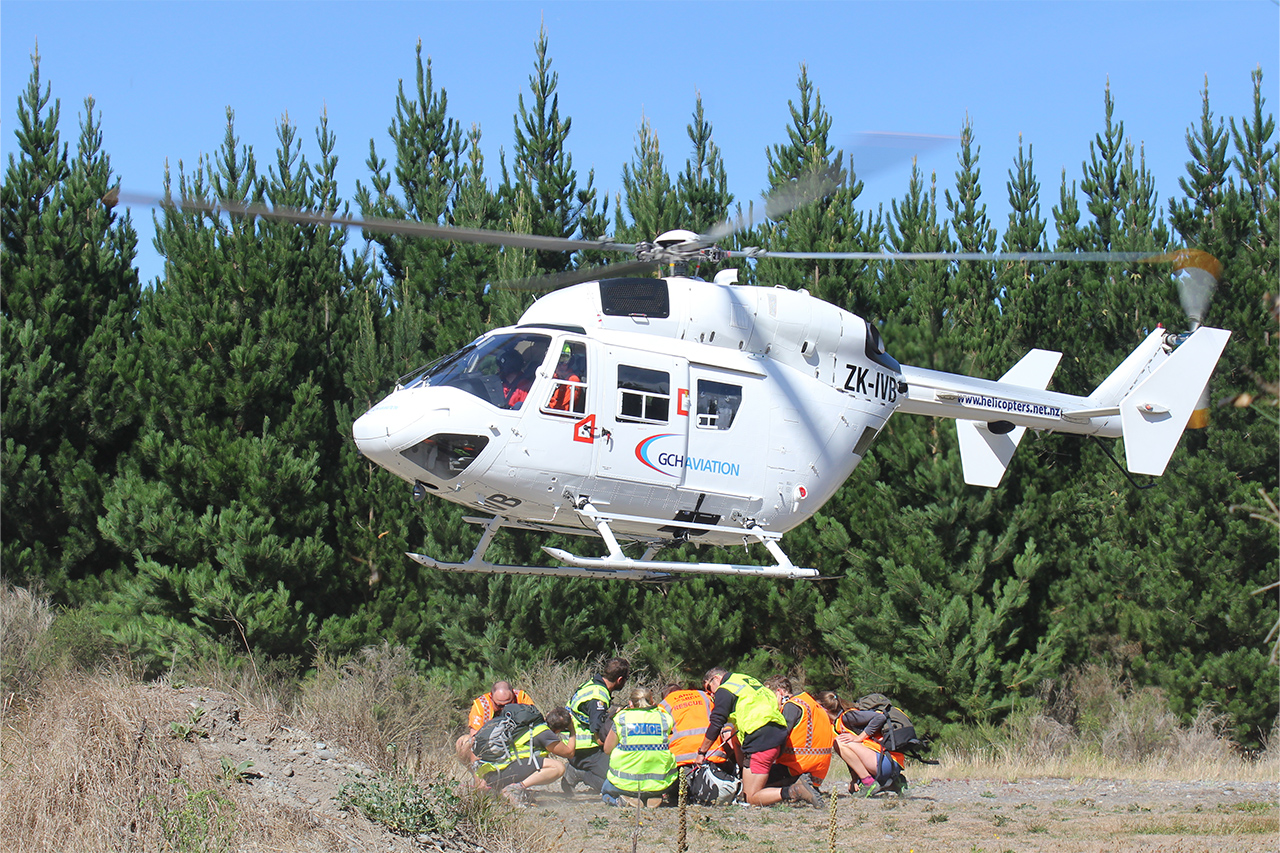
On October 22 last year, two climbers near the summit of Kaimatau/Mt Rolleston activated a rescue beacon, but cloud prevented a rescue helicopter from reaching the pair.
The next morning, in dangerous conditions, an alpine cliff rescue team from Christchurch helped the climbers return to nearby Crow Glacier, from where they were taken to safety.
It was one of 3268 incidents New Zealand’s search and rescue sector responded to in 2021/22 – and it earned the teams involved a certificate of achievement at this year’s Search and Rescue Awards.
The Search and Rescue Council’s annual report shows the sector assisted or rescued more than 1500 people and saved 150 lives in the year to June 30, 2022.
That’s up from 134 lives saved in 2020/21, when there were 2966 incidents.
The report puts the social cost of 150 deaths at $660 million. It means there was a 16:1 benefit-to-cost ratio for the $42.1m the Government invested in search and rescue last year.
There are 11,225 people in New Zealand’s search and rescue sector, and 91 per cent of them are volunteers.
In his last report as Search and Rescue Council chair, Peter Mersi said the sector was ever-changing.
“Those hardy mountain guides, lifeguards, boat crews and radio operators who undertook search and rescue a hundred years ago would probably marvel at the tools and technology now available to us,” Mersi said. “But one thing that has never changed is the dedication and commitment of our search and rescue people.”
Upgrading to ultralight without replacing everything
DOC’s best huts
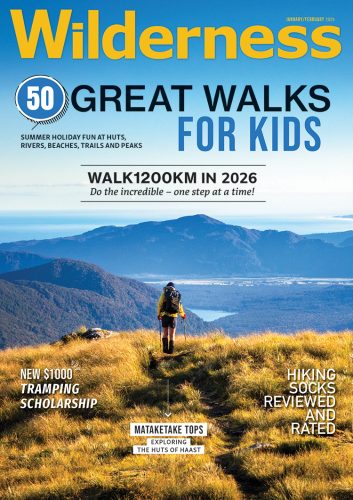
Walk1200km in 2026
50 great walks for kids
Subscribe!
Each issue of Wilderness celebrates Aotearoa’s great outdoors — written and photographed with care, not algorithms.Subscribe and help keep our wild stories alive.