A wrap of the biggest stories and best writing about the outdoors from New Zealand and around the world.
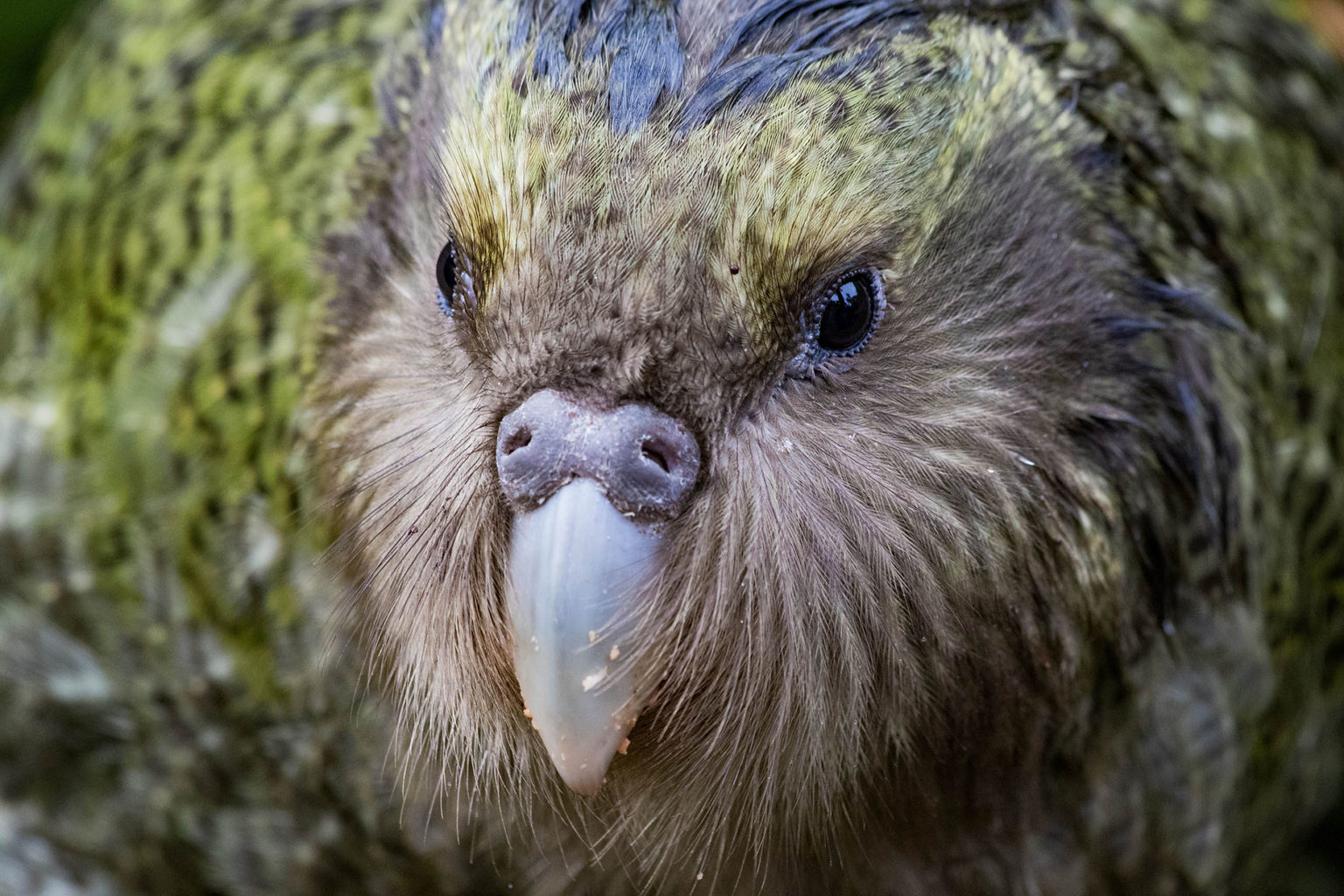
The future of the likes of kākāpo and spotted kiwi are under threat on a Fiordland island known as Chalky Island (Kākahu-O-Tamatea).
Stoat footprints have been found at several locations on the island – the first time the predatory mammal has been there since 1999.
The worrying discovery comes soon after rats were found on Fiordland’s Resolution Island, home to species such as Fiordland skinks and Powelliphanta (the giant land snails).
DOC’s begun an incursion response that it hopes will remove the predators. But the department is also having to deal with large rat numbers on previously predator-free Ulva Island, off the coast of Rakiura. Food for the invasive mammals here is so plentiful that the rats are proving extremely difficult to remove. Read more here.
“I’m just doing my job,” says first man to summit all eight thousanders twice
For many of the world’s top mountaineers, the holy grail is to climb all 14 of the world’s 8000-metre summits. It’s something only around 50 people have ever done.
Yet the first person to have achieved this remarkable feat twice never held such ambitions.
Sanu Sherpa took to the mountains above his home to support his family of eight. He began guiding, achieving his first eight thousander in 2006 when leading a group of Korean climbers up Cho Oyu.
The 47-year-old’s final ascent was up Gasherbrum II while guiding a Japanese climber in July. Read more here.
What kind of visitor are you – a spectator or a participant?
Those are the two types of visitor to natural places DOC has identified in recent research along Marlborough’s Queen Charlotte Track.
According to the study, some visitors see nature as the backdrop to whatever they’re doing, be it tramping, biking, kayaking, and so on – these are ‘spectators’.
The ‘participants’, on the other hand, are drawn by a certain aspect of the landscape they’re in – historic remains, the prospect of seeing dolphins, and so on.
It’s hoped that these definitions will help DOC in terms of how particular visitors want to ‘give back’ to the places they visit.
“Spectators of nature tend to choose financial contributions: donations or higher fees,” says DOC’s heritage and visitors director Tim Bamford. “Whereas participants in nature lean towards ‘giving back’ activities at the place or region they’re visiting such as planting native trees, pest trapping, removing wilding pines and weeds.” Read more at New Zealand Herald.
A tussle on the West Coast
The task of assessing and reclassifying all of the nation’s stewardship land was always going to be a tough process. But on the West Coast, conservationists are up in arms about a a decision to recommend a huge area of land adjoining Arthur’s Pass National Park (from the Grey to Whitcombe rivers), be reclassified as ‘historic reserve’.
Federated Mountain Clubs says this status is inappropriate for an area that meets all the criteria of a national park.
“The proposed ‘historic reserve’ contains numerous peaks over 2000m, many small remnant glaciers, 300-400km of riverbed, about 60 backcountry huts and more than 200km of tracks,” said the FMC in its submission.
The organisation said there are sections where historic reserve status would be appropriate, but most of the land should be a national park, as this would best preserve historic values and public access, and make it more difficult to mine there. Read the full story here.
Tramper finally reaches summit with woman who saved his life
In 2020 Trevor Botwood was hoping make it to the top of Britain’s highest summit, Ben Nevis. But halfway up, he collapsed having suffered a cardiac arrest.
Luckily for him, physiotherapist Courtney Ferguson was close by and rushed to his aid. Unable to find a pulse, she began chest compressions while her sister called the emergency services.
Trevor has since made a full recovery and, this year, decided to have another go at climbing the mountain along with his rescuer.
“Heading back up Ben Nevis with Courtney two years after she saved my life felt really special,” said Trevor. “If it wasn’t for her and her swift actions, I wouldn’t be here today. It was brilliant to finally reach the top. It was like a big weight had been lifted off my shoulders.” Read more at Wales Online.