

Jack and I weren’t talking. After nearly 2000km together on Te Araroa, I threw my hands up and walked away.
It had been a bad morning after a poor night’s sleep in a crammed Blue Lake Hut. I had lost an important piece of kit; one-half of my hut sandals. After an hour of searching amidst bodies slumbering and others hunched over cooking pots, we left an hour late, hurrying to beat the impending weather – persistent rain, high winds and low visibility.
The morning’s frustrations were compounded by perpetual tiredness. Resentment boiled over; a fight became inevitable. Words hung as thick as the clouds brewing over Rotomairewhenua / Blue Lake, our moods reflective of the weather. I scurried away from the lake towards Waiau Pass, increasing my pace, creating space from Jack, my partner. But at the challenging descent into Rotopōhuera / Lake Constance, I slowed. Something telling me, ‘come on, you can’t fight today’.
Sullen and indignant, I waited for Jack to catch up, breathless and seething. We stared at one another, waiting for the other’s apology.
Jack was clearly the bigger person that day: “Let’s not fight, eh. Not on Waiau Pass day.”
I nodded and we carried on sidling along the edges of Rotopōhuera.
This was our first and only fight on Te Araroa. Out there, we needed to keep things harmonious. As Patrice La Vigne, in her Te Araroa memoir says, ‘meltdowns are not worthy of the energy’. Energy spent on quarrels was less energy we had for our 25km days.
When I speak to La Vigne, the author of Between each step, she’s in Healy, Alaska where she and her husband Justin have just purchased a yurt. After walking The Appalachian Trail (AT) in 2011, the La Vigne’s have lived a life less ordinary, adventuring around the US and working a series of oddball jobs including managing a hostel on the AT and spending 197 days on the road as environmental ambassadors for the non-profit Leave No Trace. The instability and constant movement of their lives since 2011 ensured they were accustomed to continuous change and adventure. It helped keep them level-headed while enduring the daily rigours of long-distance walking.
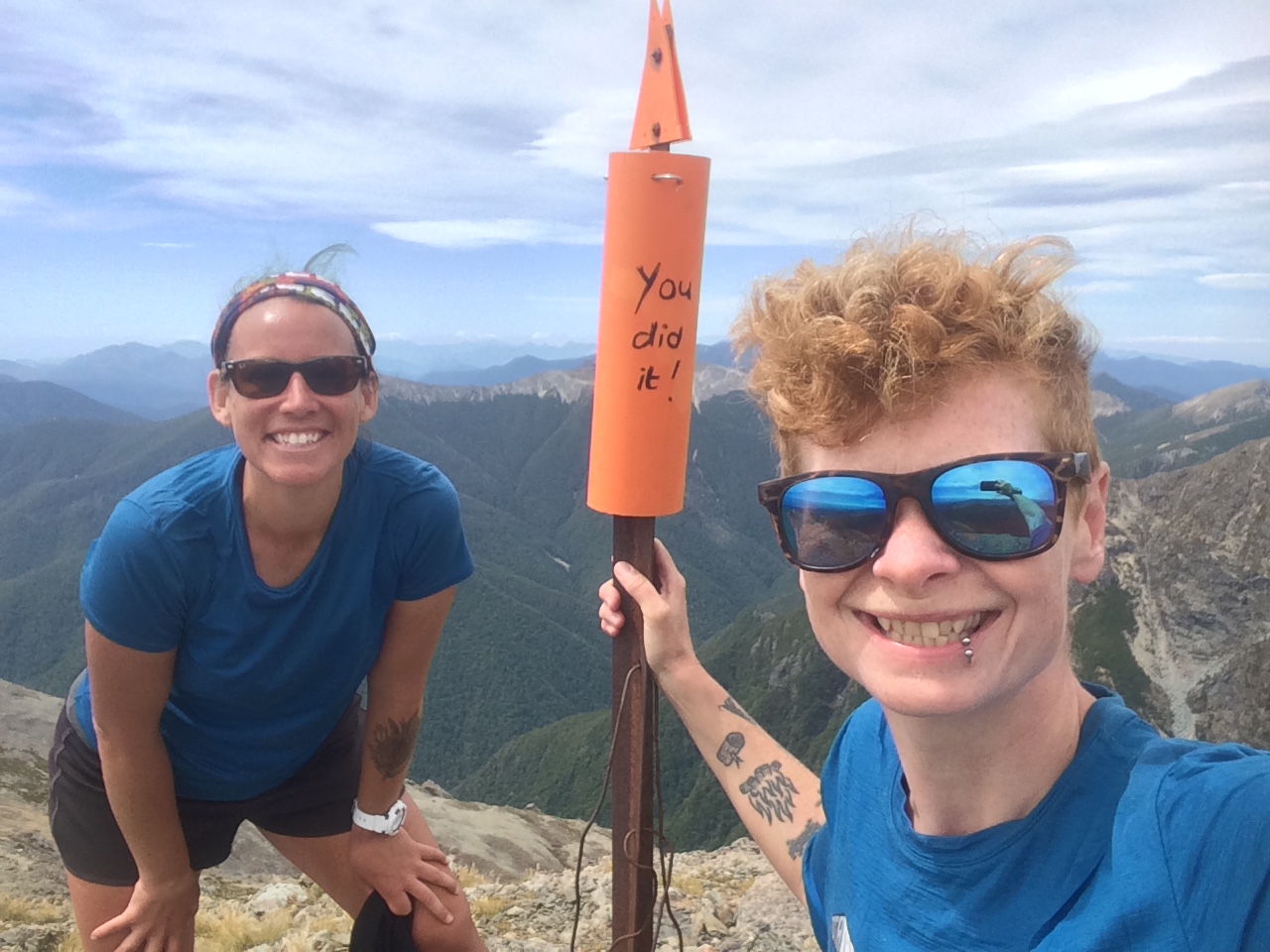
“You realise that nature is in charge when you’re out there and we were humbled,” La Vigne says. “When we were in the moment (on Te Araroa) it could be so frustrating but now it just makes for a great story.”
The pair walked Te Araroa together in 2014/2015, and while the trail has changed substantially over the years, the couple’s relationship has not.
“When we walked Te Araroa, Justin and I had been together for 10 years; there wasn’t a lot we didn’t already know about one another,” La Vigne says. In many ways, their relationship was complementary. “I’m very much a Type A personality and like to have everything planned. Justin is very fly by the seat of his pants.”
On Te Araroa, they embraced their differences. “It gave us the opportunity to recalibrate. I saw how he would react to things compared to me and in a way I was able to relax a little more and let go.”
When I ask her if there were any major bust-ups, La Vigne puts it into perspective: “Well, we didn’t get divorced.”
When Jack and I kicked footholds with blistered feet into the scree on Waiau Pass, I hoped that we too could make it.
An icy blast chased us on our graceless descent from the pass into the Waiau Valley. The last of the storm clouds passed overhead as fleeting sunshine lit the tussocks. We chewed on munted waffles found at the bottom of my pack, long forgotten and three days past their best-before date. I looked up to see Jack on one knee, a silver ring extended timorously towards me.
Are they proposing? A spray of waffle crumbs flew from my mouth.
Had we not fought that morning? Had I not woken in the sour armpit of my beloved as we shared a single bunk in an overstuffed hut? And still, Jack loved me.
In the shadow of the St James Range, I fired up the Jetboil as Jack staked out our tent pegs; dividing and conquering tasks as we had done for the past 97 days – engaged and excited for our future.
We were married in 2019 and recently celebrated eight years being together, but we were an anomaly on Te Araroa. During the nearly five months we spent walking, we met only a handful of couples doing the trail. The vast majority were solo walkers.
For many, Te Araroa evokes a sense of Walden-esque individualism, but the solo walkers were never alone for long. Friendships were made, trail families were created. Bonds formed from one simple and unified goal: making it to Bluff. We met solo walkers who had fallen in love with their walking companions, sometimes fleeting just until the end of the walk, others stretching into long term relationships.
While love was in the air for many, love lost to Te Araroa was not uncommon. In the Richmond Range, we met Ryan, a young English tramper. He’d recently broken up with another walker. They fell for each other on the Central Plateau but, by Wellington, were at odds. Ryan was a purist. He wanted to walk every single kilometre, his beloved not so much. And that was that. It was the implicit resolve of a solo walker who would not relent for love.
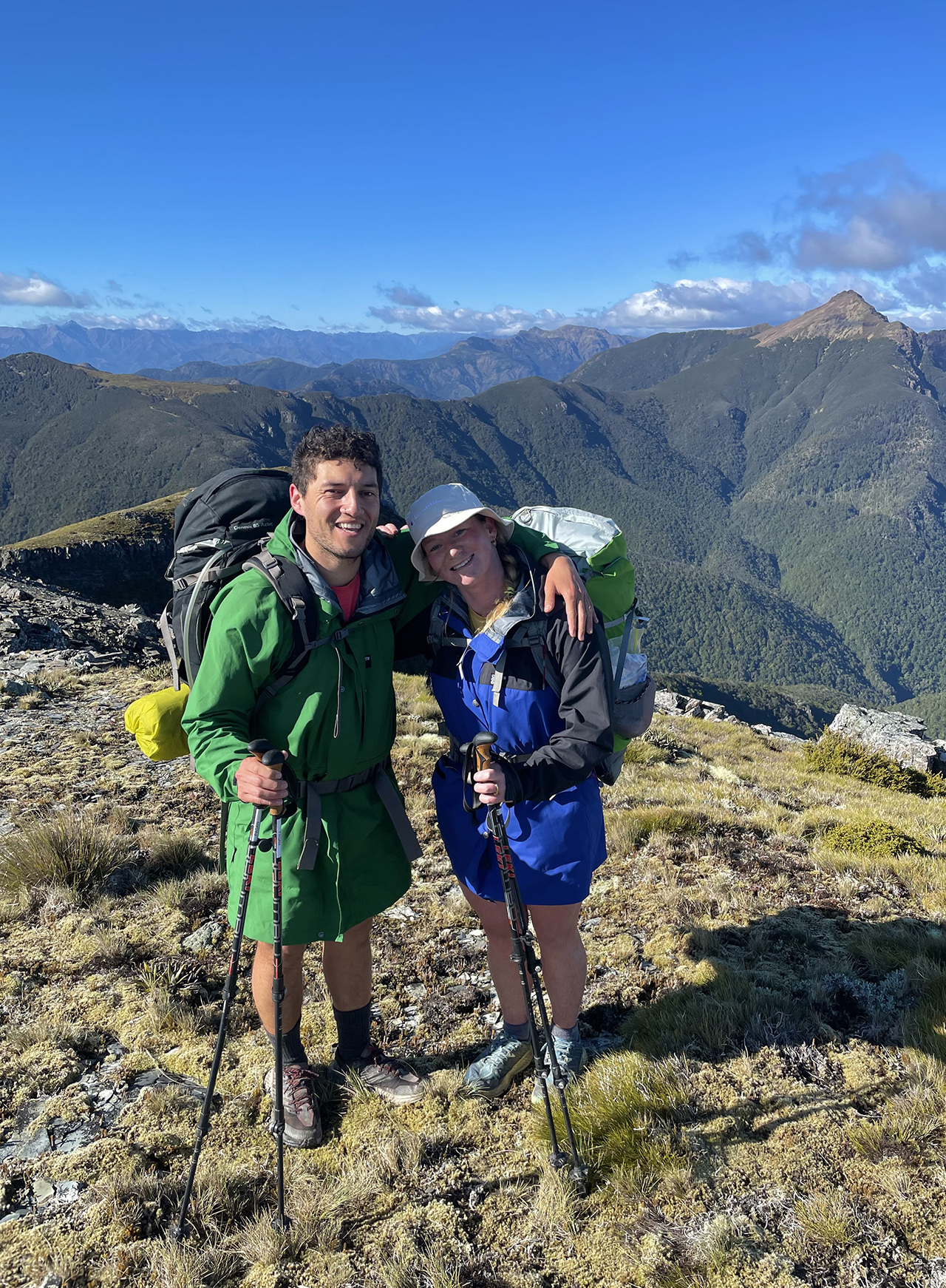
Then, there’s Shae Miller and Pagan Tāwhai who were 350km into their Te Araroa journey when I spoke to them.
Starting from Ship Cove, on the Queen Charlotte Track, they were engaged on day one; Tāwhai proposing on the spot. “It was day one, step one. I wanted to start two new journeys at the same time,” he says.
The couple had recently quit their jobs as health workers to embark on the adventure of a lifetime. “The timing was just right for both of us,” Miller says. “We were burnt out from Covid and we were ready for a change.”
The nature of long-distance walking has been refreshing for the pair, “It’s weird going from a super stressful environment to just having to walk all day,” Miller says. “It’s zero stress. All we have to do is walk. You’re on nobody else’s time.”
But the couple’s newly-engaged bliss was tested on some of Te Araroa’s more rugged sections.
“The Queen Charlotte Track was easy, it gave us a false sense of security,” says Miller. “We’ve fought heaps since then. It’s mostly dumb stuff, when we are hungry or after a terrible night’s sleep in a full hut.”
As the couple discuss the Richmond Range Alpine Route, Miller hints at the trust and patience required when thru-hiking with a partner.
“When we were on Mt Rintoul, I seriously thought Pagan was going to boost ahead and leave me behind but he would just walk a few metres then wait for me, encouraging me on when I was having a hard time.”
When I ask if they would ever want to do the journey solo, they confirm pairing up is better: “When we were looking back at what we had just walked over, Little Rintoul and Mt Rintoul, I couldn’t believe it,” Tāwhai says. “I’ve done that! We’ve done that! And you’re able to share the experience. Celebrate it.”
When Jack and I reached Bluff, we celebrated with whisky drunk from cooking pots and cheap warm beer carried from Invercargill. It was difficult to look back on the challenges we had faced. It all melted away in a post-long-distance-walk fuzz. But enduring hardship and making tough decisions is a common theme for anyone tackling Te Araroa. Even the logistics of committing to such a journey can cause tension.
I remember excitingly declaring that I wanted to do Te Araroa in 2014 but it took some persuading to get Jack equally excited. I was caught up in the fantasy of accomplishing such a feat, enticed by the glossy advertising of the ‘world’s newest long-distance trail’. Much was promised: alpine vistas, sandy beaches, many magic moments. I became a bonafide instigator who unabashedly scattered Te Araroa paraphernalia around the house – Geoff Chapple’s One man walks his dream and A walking guide to New Zealand’s Trail took precedence on our coffee table. Jack was less enthralled and more cautious, it took time to gain full commitment. Other couples had similar experiences.
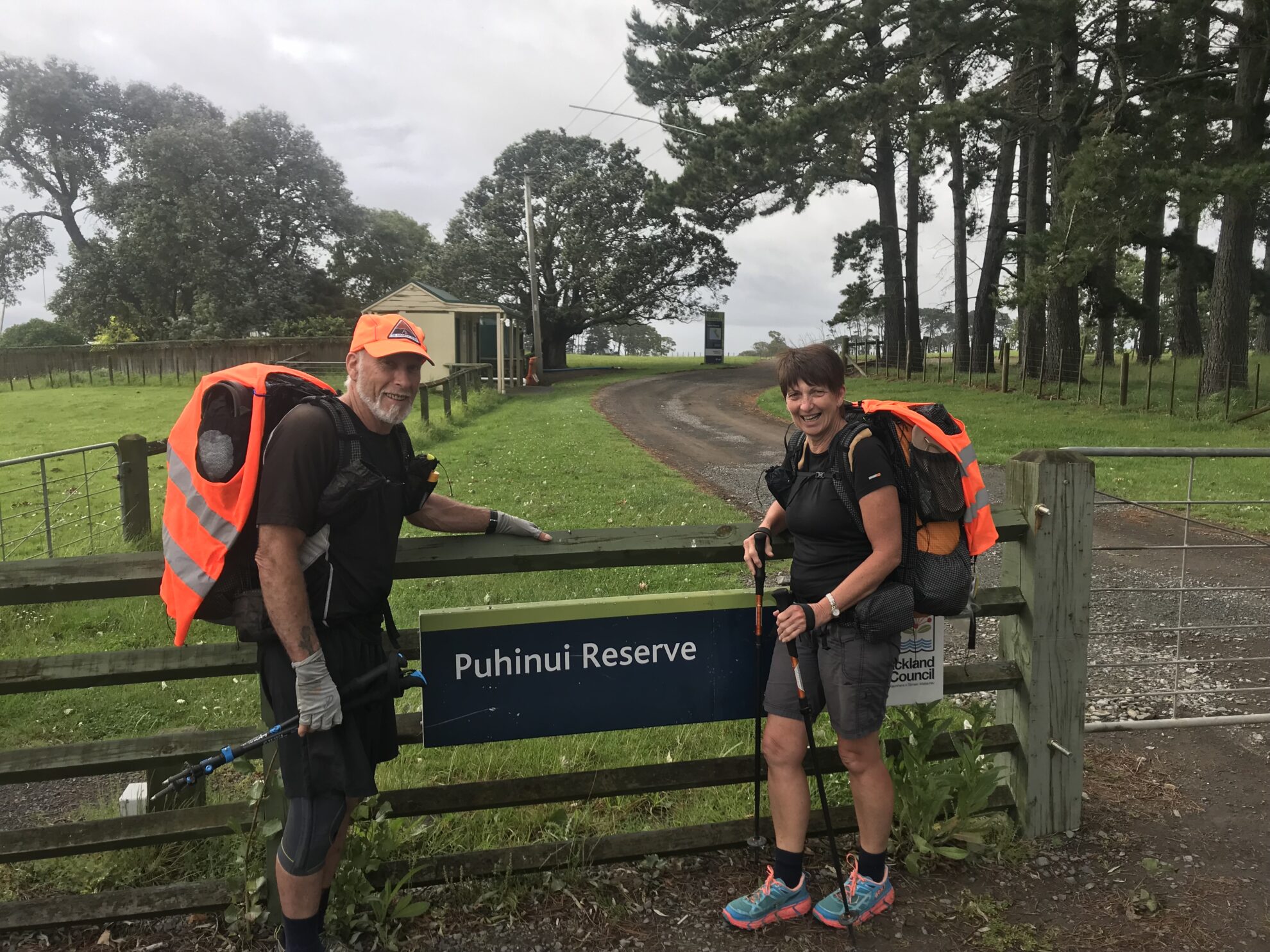
“I was not keen,” says Wayne Mollett who has been section walking Te Araroa with his partner, Jan Robinson, since 2017. “It was Jan’s idea and only once we decided to walk sections rather than all of Te Araroa was I on board. Doing it all just seemed too much.”
Over two seasons, the couple tackled some of the most challenging parts of the North Island, completing 1200km. But in 2020, they had to decide whether to continue after Jan tripped and broke her arm just before starting the Whanganui River section.
“I couldn’t believe it,” Robinson says. “After all that hiking, I tripped over a little fence on the side of State Highway 4.”
The couple agreed, despite Robinson’s injury, that Mollett would continue solo. “It was awful,” says Robinson. “I wanted him to continue on but at the same time I didn’t want to speak to him!”
While Robinson recovered at home, Mollett discovered enduring friendships on the final North Island section as he joined other solo walkers. And when he strolled towards the Wellington terminus he Facetimed Jan so she could join in.
“I cried,” Robinson recalls. “I was so proud of him and so glad he decided to continue.”
Post-surgery, they plan to start again from where they left off so they can finish the North Island together.
I asked them what the secret was to keeping things sane on the trail. There were no big secrets. “We’ve been together for 14 years. We share a sense of humour and can have a laugh,” says Robinson, poking fun at Mollett who was methodical about ensuring they would pick up sections exactly where they left off. “He was so pedantic about it. He would sometimes even make us walk an extra kilometre just to make sure we were in the right place and not skipping anything.”
Rather than cause friction, this behaviour became a running joke. “Like most things, you have to have a bit of a laugh,”
The couple’s ability has been a surprise to each other. Jan is in her 60s and is proud of their effort. “A lot of people ask me how we’ve done this. They doubt themselves and their ability. But anyone can do this. If you want to do Te Araroa, it really is possible.”
For Jack and I, Te Araroa was a time when we spent each day together and our next steps were all that mattered. Our worldly possessions were condensed into what we were carrying on our backs. There were days of contemplative silence and days of singing songs that were annoyingly stuck in our heads. It was a simple yet beautiful time in our lives.
At the end of our 3000km journey, we faced uncertain futures but we had this. We had shared the walk of a lifetime.
34 years of inspiring New Zealanders to explore the outdoors. Don’t miss out — subscribe today.

Questions? Contact us



