The research is clear, regular walking can help women cope with some of the symptoms of menopause.
Menopause occurs when a woman stops menstruating, roughly between the ages of 45 and 55. The transition, called perimenopause, can last up to 10 years.
During this time of hormonal change, women can experience many symptoms including hot flushes, night sweats, weight gain, sleep difficulties, mood swings and anxiety. Experiences are unique; a woman may have all or just a few of these symptoms, in varying levels of intensity.
Theories and therapies for what affected women can do to help themselves, including a call to exercise, are prolific.
Health and wellness media service, Everyday Health Group, says ‘brisk walking’ is one of the simplest, lowest-cost aerobic exercises for menopause that you can do.
“One of the best ways to fight menopause symptoms is to get moving,” it says. “Walking at a brisk pace is a great calorie burner and can also help with mood swings because aerobic exercise can help fight depression and anxiety, both common menopause symptoms.”
Seattle-based Genneve is a free, online menopause clinic that employs medical experts to help midlife women. A dedicated, multi-level walking programme is one of its most popular services.
Genneve’s Michele Stanten says walking is one of the easiest steps that can be taken to manage menopause symptoms and feel better – physically, mentally, and emotionally.
“When scientists at the University of Alberta looked at what happens when women start walking, they found overwhelmingly positive results,” he says. “They studied 77 walking programmes that encompassed 7500 midlife women participants. The studies showed that women felt better and were healthier after walking.”
Fully 91 per cent of the programmes resulted in improvements in at least one menopause symptom or issue such as mood, cardiovascular disease risk factors, body weight, self-esteem, and quality of life.
That said, what works for one might not work for another, and ‘brisk walk’ might have a different meaning for women trampers used to multi-day trips carrying a pack.
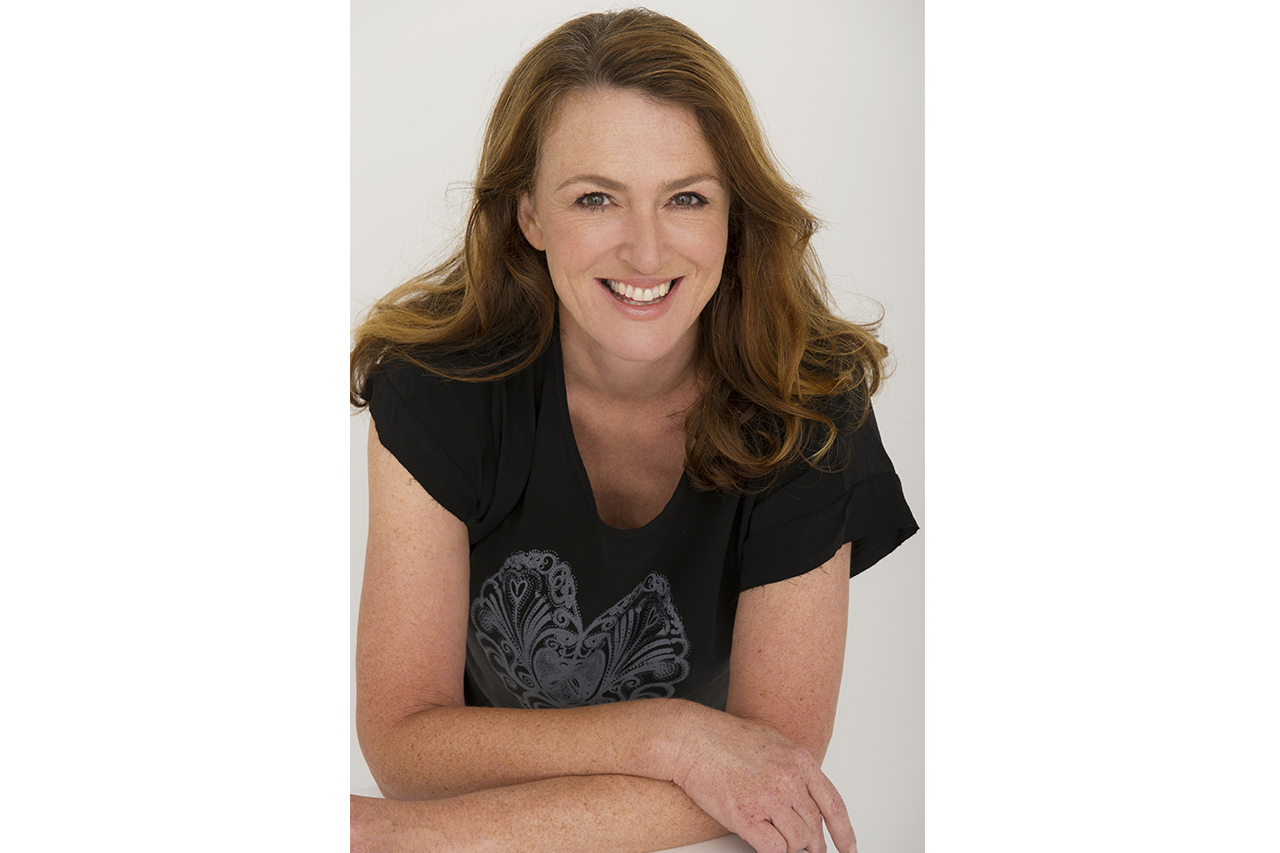
Kiwi author and health columnist Nicky Pellegrino has just written Don’t Sweat It, a book exploring menopause, including the latest medical findings and therapies.
Pellegrino says a quarter of women sail through the menopause transition without a problem, half have mostly manageable symptoms and the rest really struggle. So how much walking and exercise a woman does depends on where she is on this spectrum.
“One of the most striking things about the menopause transition is how diverse it is,” she says. “There are some common themes but every woman experiences it differently. Even very fit, active women may find themselves feeling low on energy and stamina at some points during perimenopause and during the time their bodies are adjusting to the hormonal shift post-menopause.
”A lot of advice for women in midlife is to exercise more. But if we are not sleeping, constantly flushing, dealing with brain fog, rage and exhaustion, then it may be that we need to dial down the exercise, at least for a short while.
“We still need balance, strength and cardio-fitness but for many midlife women, the best fitness philosophy may be to exercise to energise, not exhaust.”
What are you waiting for? Register now and start walking!