Everyone knows that you need to check the weather forecast before heading into the great outdoors, but what do you do with the information?
Even though weather forecasts are becoming ever more accurate, they are still only a best guess made from the information available. The weather may not turn out as expected or perhaps the timing of a weather change may come hours earlier or later.
After checking the weather forecast, you should study the map of your intended route and consider the gear and skills required for the trip. Only then can you make an informed decision about whether to proceed, change the route or decide on the gear you bring.
Here’s how the forecast might affect your trip and the things you need to consider.
Rain: If there has recently been heavy rain or rain is forecast, you should check if your route has unbridged rivers or side streams. Consider how much rain is expected to fall and how big the catchment is to guess the effect on any unabridged waterways. The blue lines on the map representing the waterways upstream of your intended crossing form a tree shape and the bigger the ‘tree’ the bigger the catchment.
Cold, wet and windy: These conditions on their own can be unpleasant but combine two or all three and they put you at risk of hypothermia. If the trip involves travel in exposed terrain, these conditions are particularly dangerous, and you should not underestimate the speed with which hypothermia can develop. If you continue in these conditions, you will need to have sufficiently warm clothes, shelter and skills. Strong wind in exposed terrain, and especially gusty wind, could blow you over.
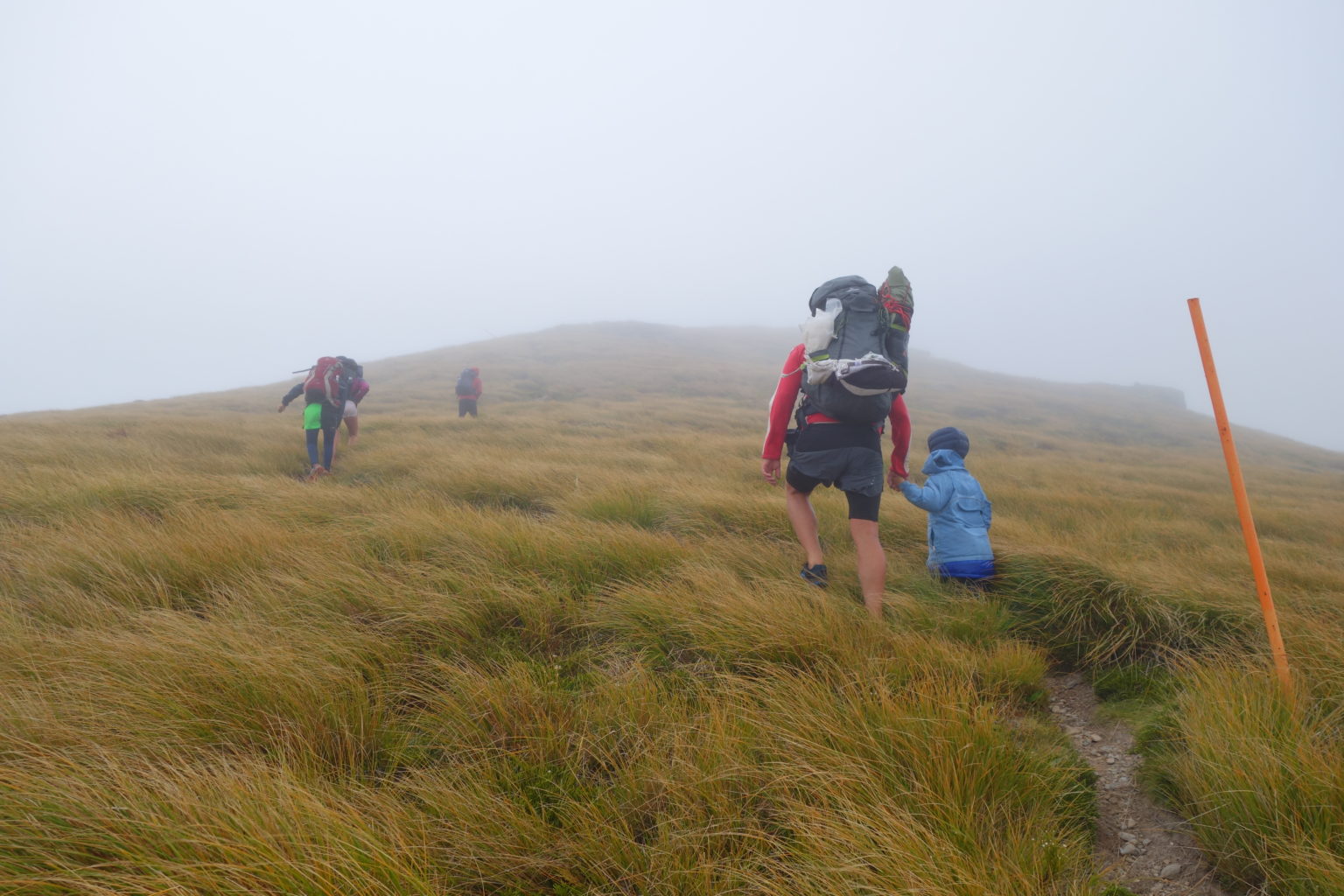
Low cloud: Clouds can descend low, creating grey-out conditions which makes navigation more difficult. Visibility may be reduced so you can’t see the next track marker or even the track. In such conditions, it could be difficult to see more than a metre ahead and excellent navigation skills will be required.
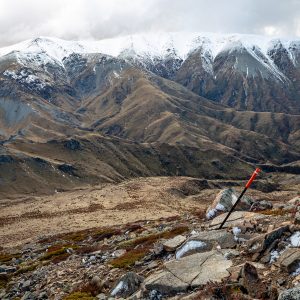
Snow: Settled snow requires skill and knowledge of avalanche conditions and risk management. Frost on the ground is extremely dangerous in alpine environments where a slip could be fatal.
Track condition: Recent heavy rain will make muddy tracks muddier and may make slips unstable. Find out if your chosen track is prone to mud and check if there are slips marked on the map, consider how the rain may have affected the trail. After high winds, trees may have fallen over the track. How skilled are you at navigating slips and windfall?
Weather direction: What may be a significant issue on one side of the ranges may hardly affect the other side. Factor in the possibility of the weather coming in earlier or later than expected.
– Heather Grady is an instructor with Outdoor Training New Zealand