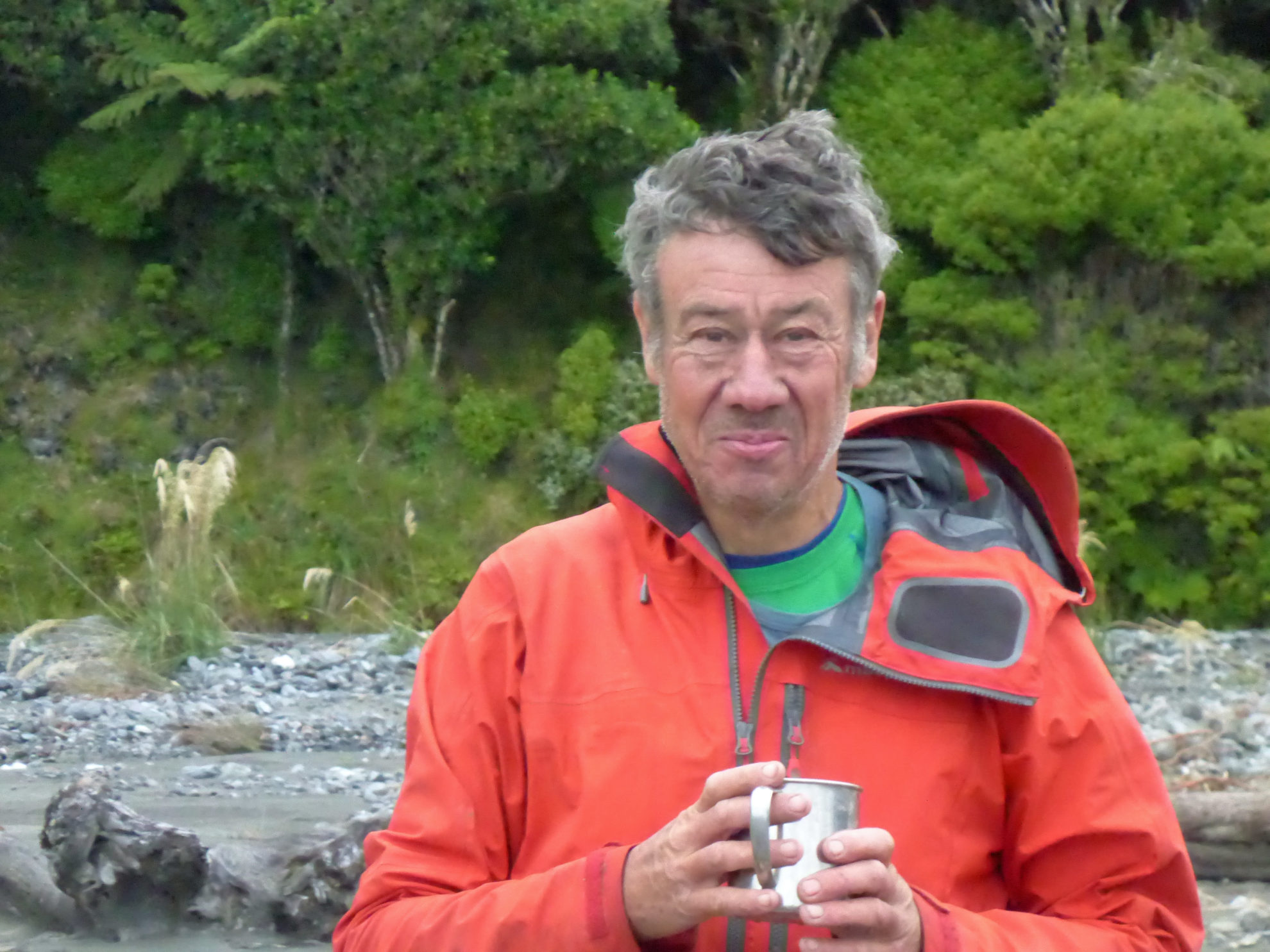
Wellington climber Simon Bell, 33, was tackling his 68th ascent of the challenge when he disappeared on Mt Earnslaw in January 2015. French was the last person he had contact with.
“There have been a few [deaths] over the years, and it hurts every time,” French says.
“Simon was working very hard before he went missing, and I respected his energy and enthusiasm.”
French has since climbed Mt Earnslaw and Bell’s disappearance wasn’t far from his mind.
“I had mental pictures of his decision making going through my mind, trying to figure out what could have happened,” he says. “One thing I keep learning, and keep getting reminded of, is that we are insignificant when it comes to nature. We are little ants climbing the side of a skyscraper.”
For French, ticking off peaks is more than getting to the summit.
“There’s all the other things; fitting it all together, the travel, the planning, the research, putting together the team, the comradeship and exploration, wondering if I’m up to it and if I can get around the difficulties and make the right decisions,” he says. “Climbing mountains is hard and it bloody well hurts, but it’s a matter of focusing and overcoming barriers to achieve your objective.”
As he gets closer to ticking off the list, French feels a sense of loss for the places he leaves behind – as he may never have reason to go back.
“It’s like saying goodbye to a friend at an airport,” he says.
As the years go by, the average height of his summits decreases and he’s not as flexible as he once was, though French still has a lot of climbing left in him, and finishing the list will come as a relief.
“In some ways, I feel like I’ve got to an annoying point where I just need to get over that hump and move on to other things,” he says.
But even after a lifetime of mountain climbing, French remembers and treasures every summit.
“Those memories never go away. Life is about stacking memories, and each climb has a whole series of emotions and stories to go along with it,” he says.
Mountaineer Ben Gibbins is surprised when he hears how close French is to completing the list. “Two left?! I knew he was close, but I didn’t know he was at 98,” he says.
Gibbins is 36 – half French’s age – and he’s a third of the way through the list.
He started in 2015 and has set a cracking pace – despite working fulltime as a storeman at an engineering company.
“Getting things to align is often difficult – you’ve got to have a climbing partner, a weather window, and you need to get time off,” he says.
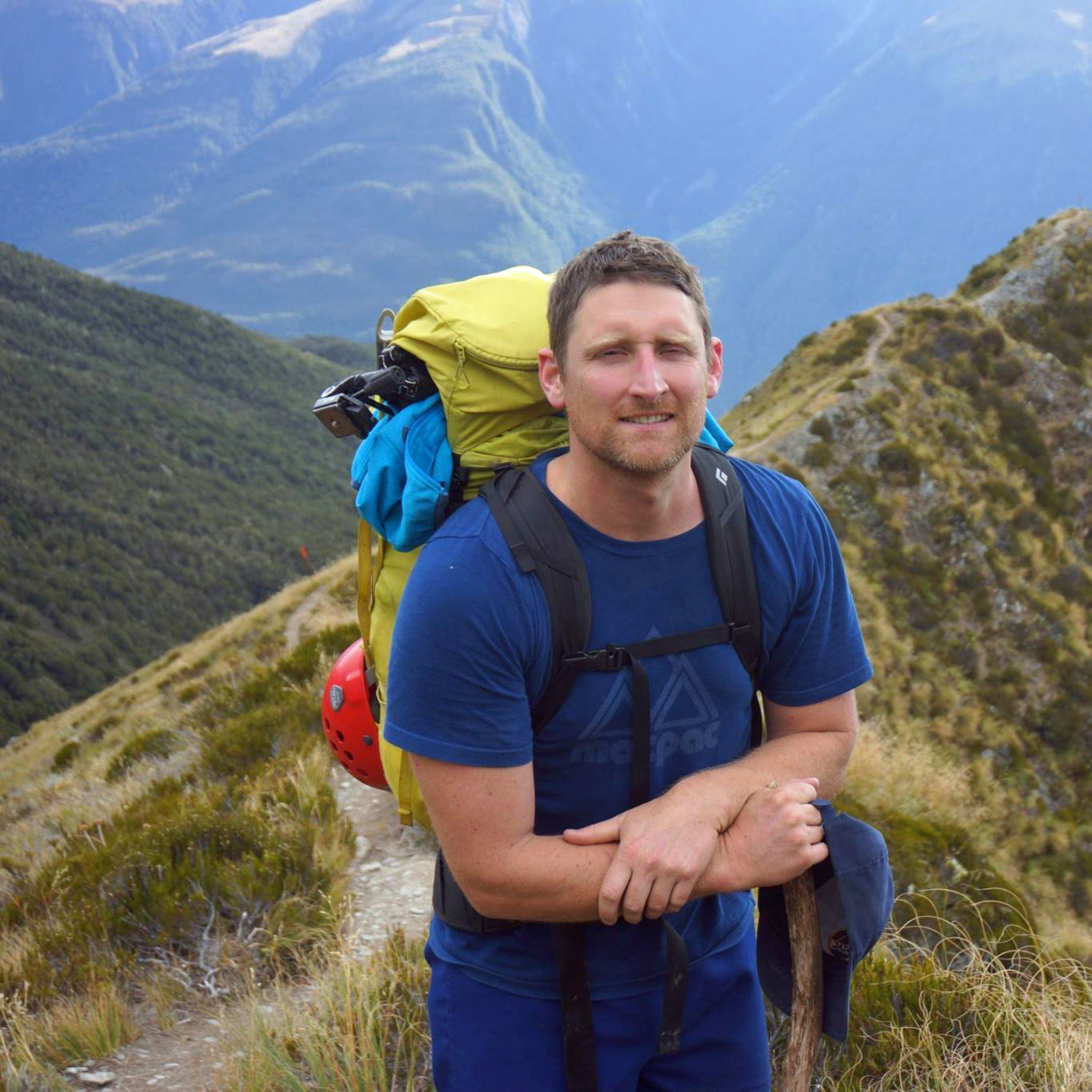
Like French, Gibbins’ first summit was Mt Taranaki.
“I grew up on a dairy farm there and dad took me when I was pretty young – maybe 10,” he says.
He didn’t do any significant climbing until he moved to Christchurch in 2006, and was “blown away” by the hiking in the area.
“Hiking through the high country and seeing all those beautiful mountains makes you want to go climb them, so I got into rock climbing which led into mountaineering,” he said.
The 100 Peak Challenge isn’t Gibbins’ first list challenge – in 2014/15, he completed the 52 Peaks Challenge, climbing 52 named mountain peaks over 1000m in 52 weeks.
“Once I had done that, I decided I’d like to do another list – something more technical,” he says.
“I came across the 100 Peaks Challenge, and saw that lots of the climbs aren’t that hard and technical – there is some easy stuff there – so I started there and decided to work my way up,” he says.
As Gibbins progresses, the summits – and particularly the approaches – become more difficult.
“I’m getting to the point where I’ve done all the ones I can do in a weekend, and I’ve ticked off a lot of the easier ones, so the climbs are becoming harder, and I’m having to go further into the mountains which requires more than a weekend,” he says.
“It’s part of New Zealand mountaineering – you have to walk a long way to get into these places – you’re lucky if you get to walk along DOC tracks.”
Like any climber, Gibbins has had his fair share of failed missions, including attempts at Mts Aspiring, Brewster and Bath – all peaks on the list.
“It’s heartbreaking sometimes – you put in a lot of effort, time and energy, and you might get close, but if you want to finish the list you have to be able to come back,” he says.
Gibbins aspires to be the first climber to knock off all 100 peaks, and given the nature of climbing, there’s no reason he couldn’t be.
It all hinges on one elusive Unicorn.
The 100 Peaks challenge
The 100 Peaks Challenge was created by the New Zealand Alpine Club to mark its 100th anniversary. The club’s 1990 bulletin stated the goal of the challenge was to provide a widespread of peaks both geographically and in difficulty to challenge members of all abilities.
The list includes 19 peaks over 3000m, a combined elevation total of 258,000m and the average mountain height is 2588m. The lowest peak included is Mt Hector (1529m), one of the highest peaks in the Tararua Range.
The challenge of a lifetime?
It’s been three decades since NZAC released the 100 Peak Challenge, yet it remains uncompleted by any climber. What makes it such a formidable list, and why is it so difficult to tick off all 100 peaks?
Don French says the difficulty is clear when you crunch the numbers. “If it takes a week to do each trip, and you have to attempt each trip at least twice on average, work out how many days are involved there,” he says.
Wilderness did, and it amounts to 1400 days of expeditions dedicated to the list – or 3.8 years. But why does it take so long to climb a peak?
“It’s not simply a matter of going in and climbing – you’ve got to get to the right place on the right day with the right conditions,” French says.
In New Zealand, where the words ‘stable’ and ‘weather’ are seldom paired, this is easier said than done. Consider Fiordland, for example, where it rains 200 days a year. There are four peaks to be climbed there, so pack a rain jacket and pray for a weather window.
In other parts of the world, such as the USA and Europe, “it’s a different game,” French says.
“It’s a luxury in that climbs are well documented, and you’ve got stable weather during summer periods so you can start tackling pretty serious climbs.”
For some of the peaks listed in the challenge, French says he could count the number of mountaineers who had summitted before him on one hand, and very little information exists on the ascent routes.
On some of the more remote peaks listed, access can require days of off-track bush bashing before the climb proper can even begin, and climate change is putting some summits further out of reach.
“It’s getting more and more difficult,” Ben Gibbins says. “Erosion and receding glaciers are making access difficult and time-consuming, and walking into places like the Tasman is horrible.”
French and Gibbins both started climbing young enough to be able to achieve the list within their lifetimes, but even though he had 30 peaks under his belt when the list came out, it’s going to come down to the wire for 62-year-old French.
“My objective was that it would be good to get it done by 65, but those peaks are getting bigger and steeper,” he says.