Where to see this attractive, and often large, tree
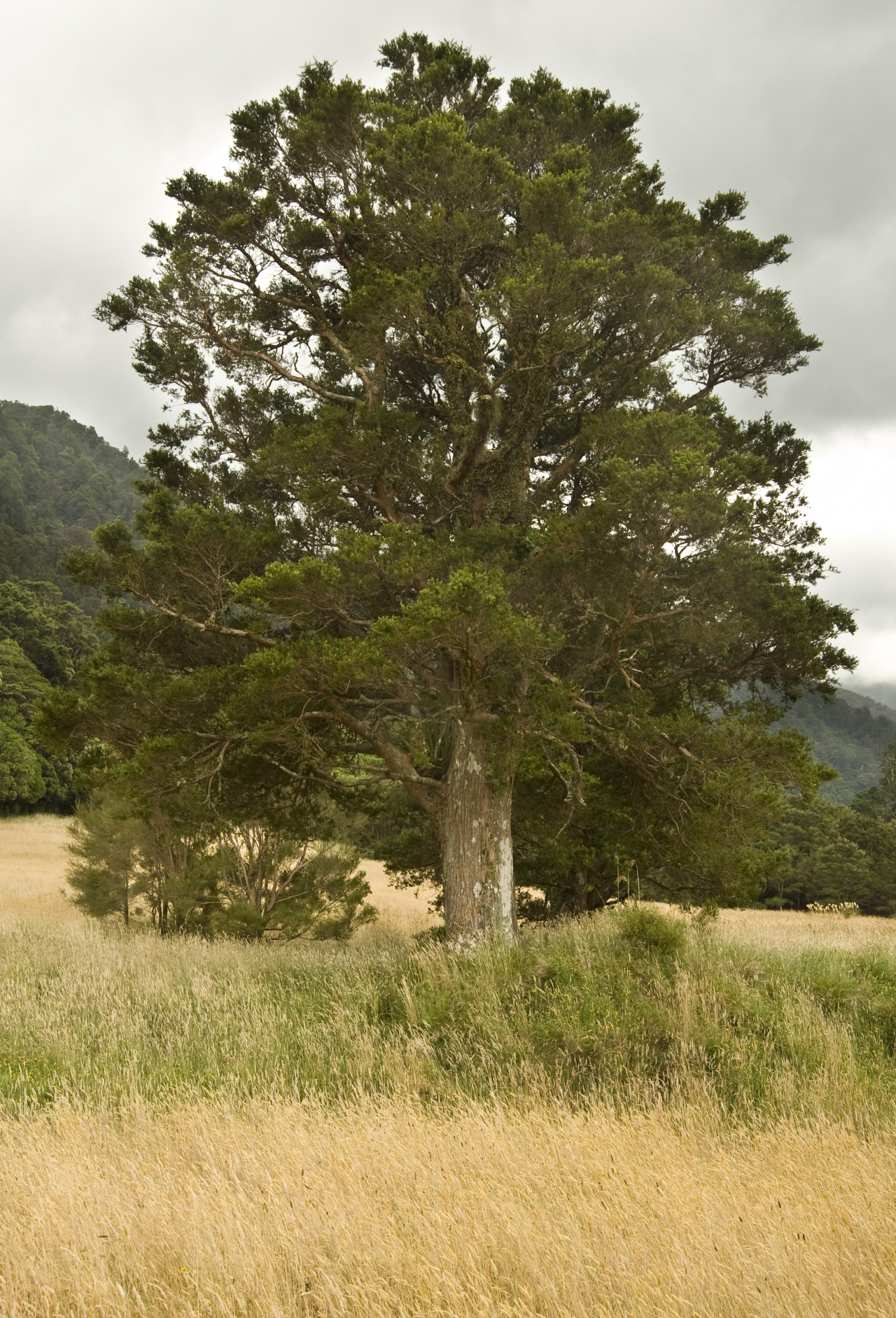
Trampers can easily recognise totara because of its distinctive, browny-red, stringy bark, and its spiky handshake. Unlike the caress of rimu foliage, totara leaves make their presence felt sharply.
It’s an attractive tree that commonly reaches heights of 30m, and occasionally more than 40m. The larger specimens have a diameter of up to 4m.
Podocarpus totara is the largest of four totara species, three of which are trees. Trampers will also be familiar with mountain totara, which used to be known as Hall’s totara. The third species is needle leaved totara, which grows in parts of Marlborough and Westland. Snow totara is a prostrate shrub that grows in subalpine areas.
Due to its durable but workable and relatively light timber, totara has played an important role in both Maori and Pakeha economies. Maori prized the trees for carvings, buildings and waka, while Europeans found the wood useful for wharves, fence posts and house piles.
Not surprisingly, totara has vanished from many lowland areas, and even in the mountains – notably in Otago, where Maori fires reduced large areas where the mountain totara once dominated. In other places, where you might expect to see totara – Totaranui at Abel Tasman National Park, for instance – very few exist.
However, impressive specimens or groves remain at many other parks and reserves around the country, including these four locations.
Pouakani Reserve, King Country
Reputedly New Zealand’s largest totara, this tree, known as ‘Pouakani’, is 42m high, with a trunk nearly 4m across at the base. Botanists have estimated it to be 1800 years old. Access is on a 40min return track beginning from SH30, 12km from Mangakino.
Totara Walk, Pureora Forest Park
This easy, 30min loop takes you among the stately podocarp trees, including totara, for which Pureora is justly famous. Access begins 200m from Pureora Village.
Totara Flats, Tararua Forest Park
Fine stands of totara, plus some individual trees, are a dominant feature of this otherwise grassy flat beside the Waiohine River. Totara Flats is reached either from the south, beginning from the Waiohine Gorge Road, or from north, via the track beginning at the Holdsworth Road end. While the large and comfortable Totara Flats Hut (26 bunks) offers accommodation, trampers can find many excellent camp spots on the flats, including one in a sizeable grove of totara.
Dennistoun Bush Walk, Peel Forest
A large and particularly gnarled totara exists in this important forest remnant. It’s located near the intersection on the north branch of the Dennistoun Bush Walk loop track, about 15min from the Blandswood Road entrance.