Metabolism – or the process of converting oxygen and nutrients into energy – occurs in our cells and is essential to our existence. Our bodies contain an amazing thermoregulatory function that utilises a variety of methods to keep us within a suitable temperature range for metabolism to occur. These methods include changing the size of our blood vessels, adjusting the position of our bodily hair follicles and sweating.
Hyperthermia occurs when, for some reason, the above methods become inhibited, cannot keep up with the amount of heat being generated or cannot lose this heat fast enough. Inhibitors include dehydrators such as alcohol, caffeine, stimulants and some medications.
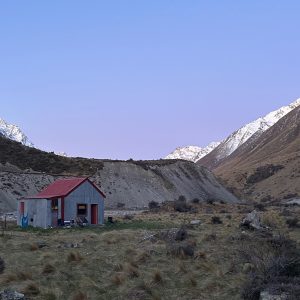
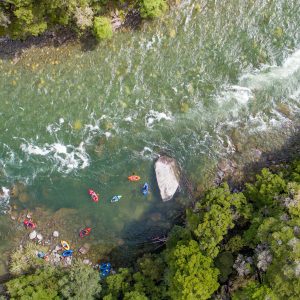
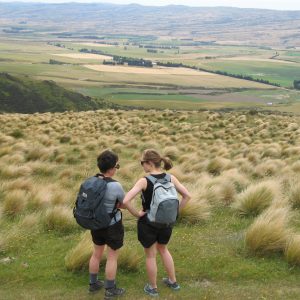
In the New Zealand outdoors we are more likely to come across what’s known as exertional hyperthermia. This is due to our environmental temperatures not usually being high enough to single-handedly overpower our thermoregulatory function. Typically this would occur during times of extreme exertion such as tramping, or climbing when travel is restricted to exposed ridgelines away from water sources or during events like running or mountain biking.
When we exercise heavily our muscle cells produce a significant amount of heat which we need to lose. This heat loss becomes more difficult for our bodies to achieve as the external temperature and humidity increase as evaporation of sweat is reduced.
Heat exhaustion is the first and less dangerous version of hyperthermia. This will mostly occur in the 38-40°C range which many of us will have experienced before. The affected individual will be sweating heavily, breathing rapidly and have a fast weak pulse which will not return to a normal rate with rest until the patient is cooled.
Heat stroke is the exaggerated version of heat exhaustion and can result in unconsciousness or death. It occurs when our temperature exceeds 40°C and can be assessed by the presence of the following signs and symptoms: hot dry skin, a rapid pulse, rapid breathing, dizziness, nausea and vomiting or a lowered level of consciousness. Urine may be dark yellow or the patient may not have urinated for a long time. The patient, particularly children, may have seizures and as the body’s organs begin to fail they may become unconscious.
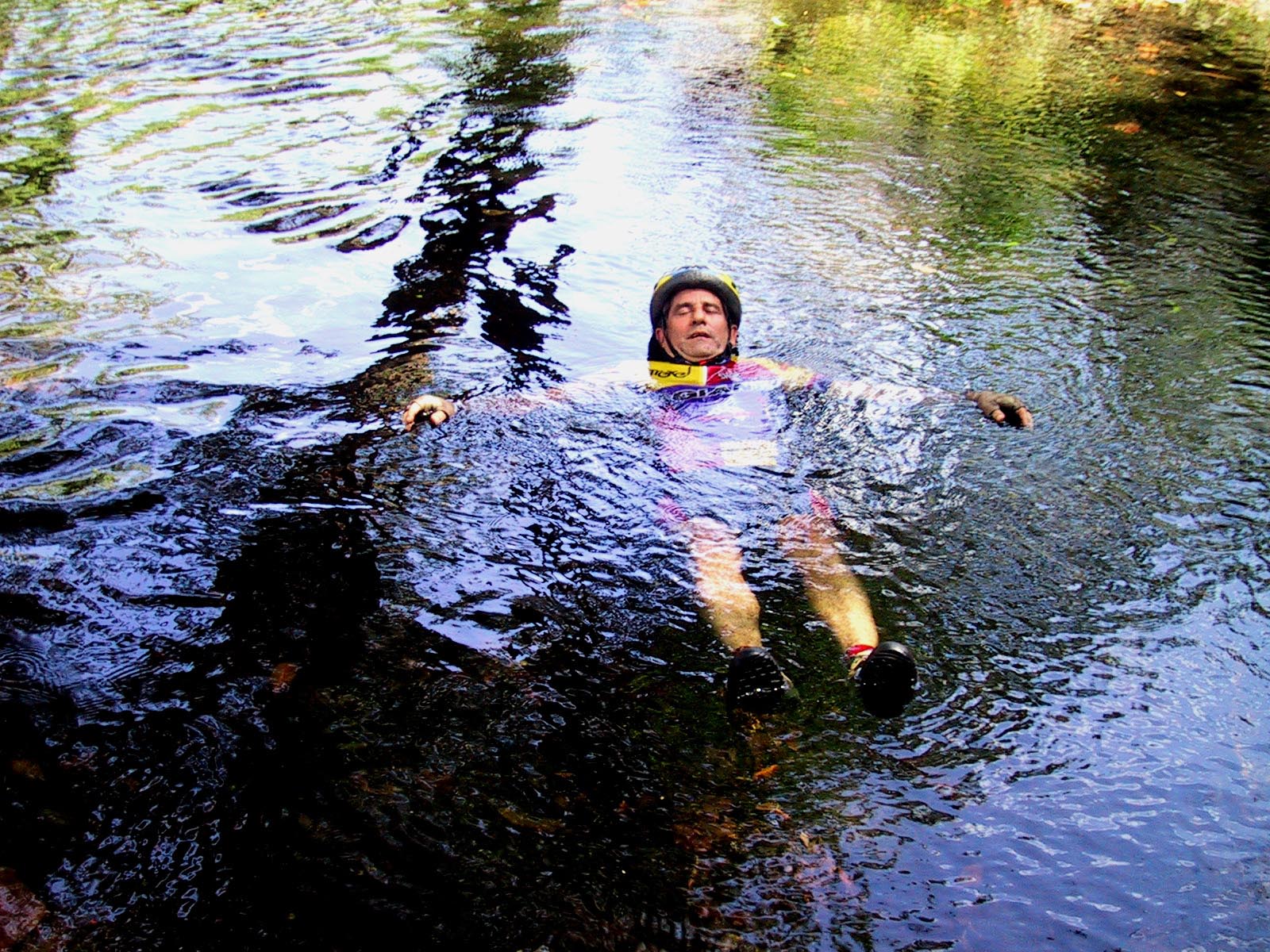
The treatment for all hyperthermia is reasonably straight forward. Stop the patient exercising and move them into some shade. Studies have shown that the most effective way (even in hospital) to lower a person’s body temperature is a cool water immersion. The water temperature only needs to be cool – very cold water can cause a short term reduction in heat loss due to the constriction of the blood vessels. If your only option is a very cold stream it may be better to pour this water over the patient’s torso, neck and head than throw them in it.
Give the patient cool fluids to drink. It appears that electrolyte sports drinks may be better than water as excessive sweating can lower the body’s salt content to dangerous levels and these will need to be replaced.
It is important to note that fever management drugs such as paracetemol are ineffective on hyperthermia.
– Henry Worsp is a director of Peak: Outdoor Safety and Emergency Management

34 years of inspiring New Zealanders to explore the outdoors. Don’t miss out — subscribe today.

Questions? Contact us