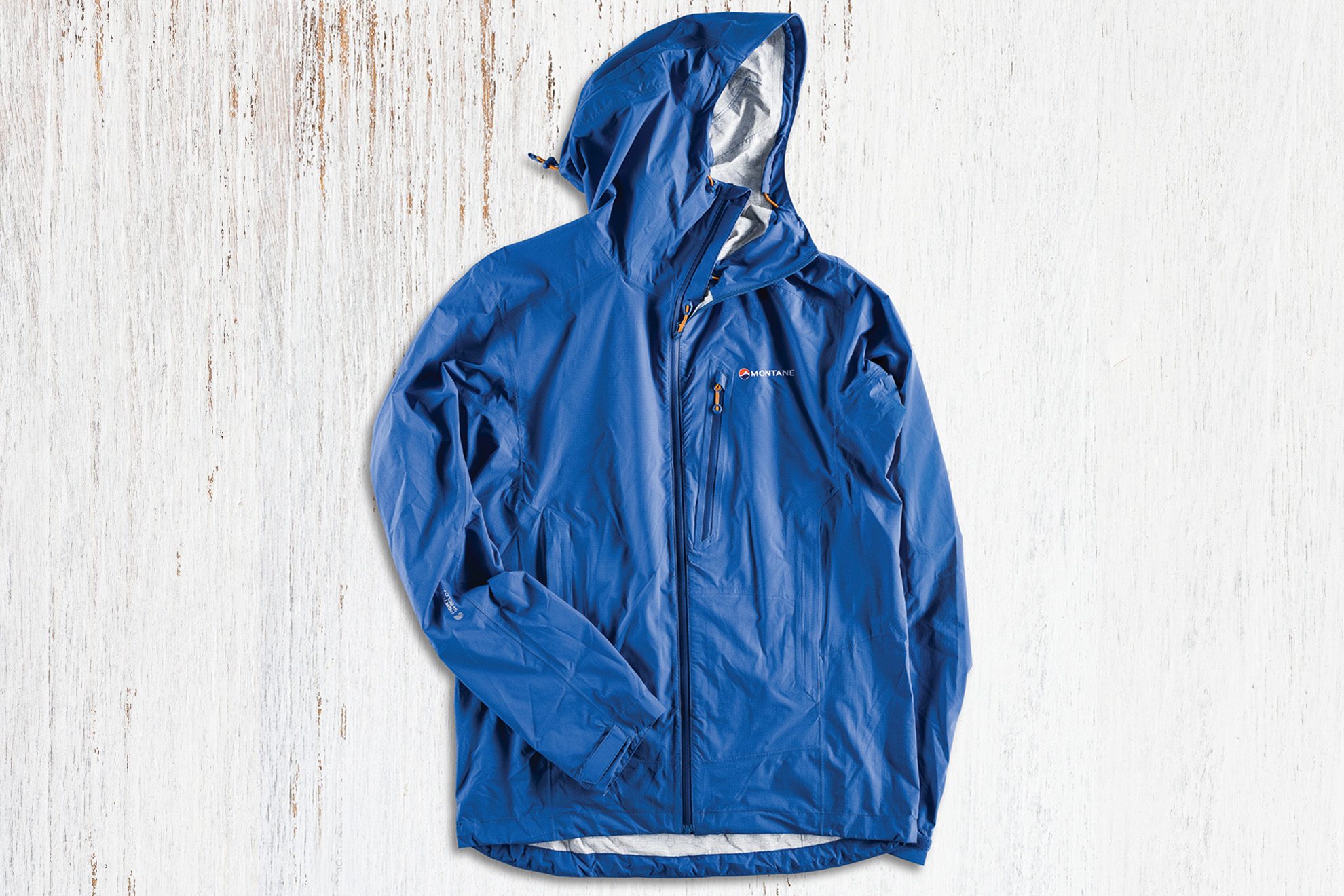
Montane Minimus Stretch $349
Pertex Shield+ 2.5-layer fabric with added stretch and DWR. Taped seams, articulated arms and elbows for freedom of movement, helmet-compatible hood with stiffened peak, two mesh-lined map-sized hand pockets, zippered chest pocket, water-resistant front zip with storm flap, hem drawcord, shaped cuffs with hook and loop tabs. 257g (m); 226g (w). www.furtherfaster.co.nz
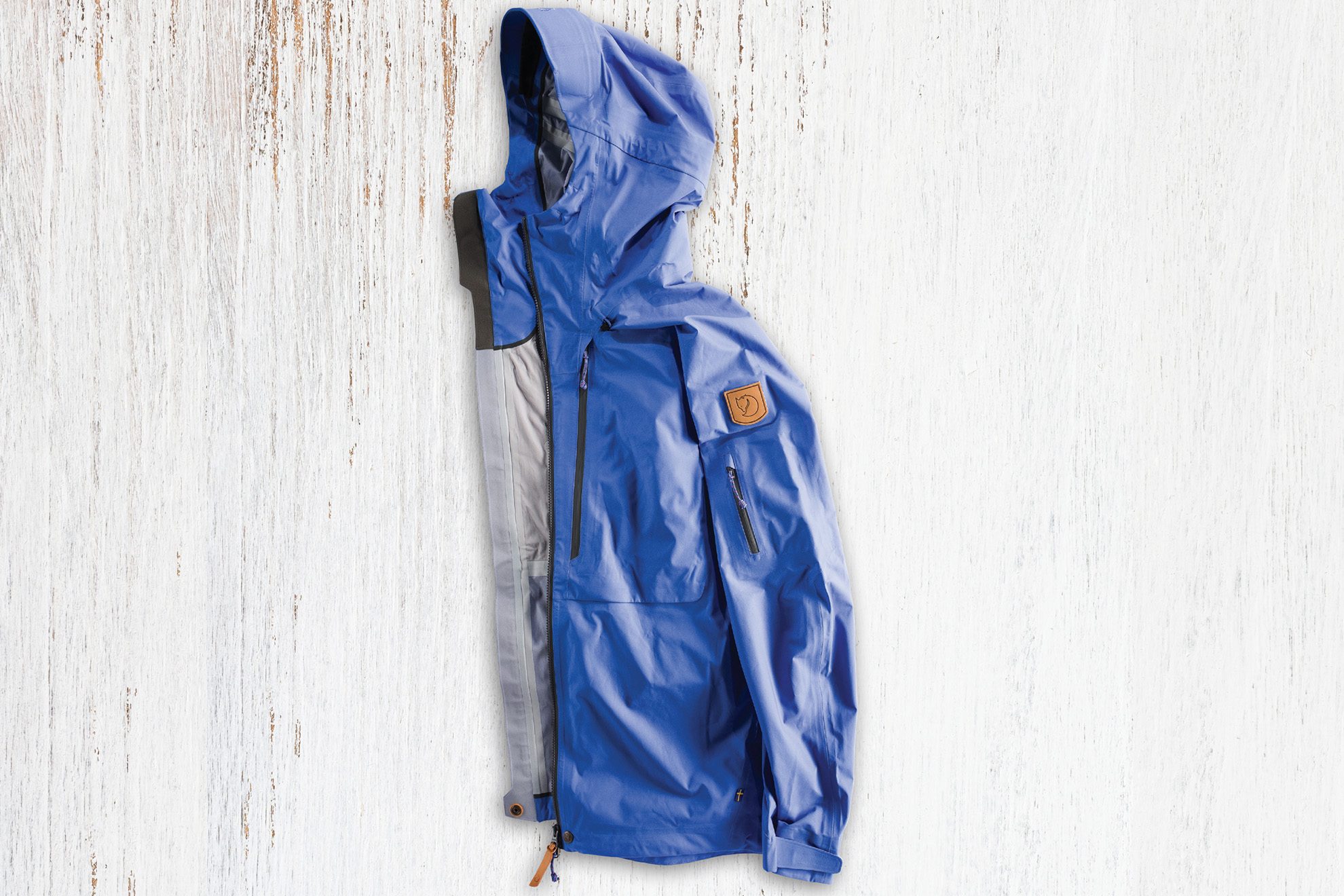
Fjallraven Keb Eco Shell Jacket $734.95
Minimalist three-layer hard shell using high-stretch, breathable and sustainable Eco-Shell fabric, helmet-compatible hood, spacious chest pockets, zippered side ventilation, hem drawcord, Velcro cuffs. 570g (m); 470g (w). www.fjallraven.co.nz
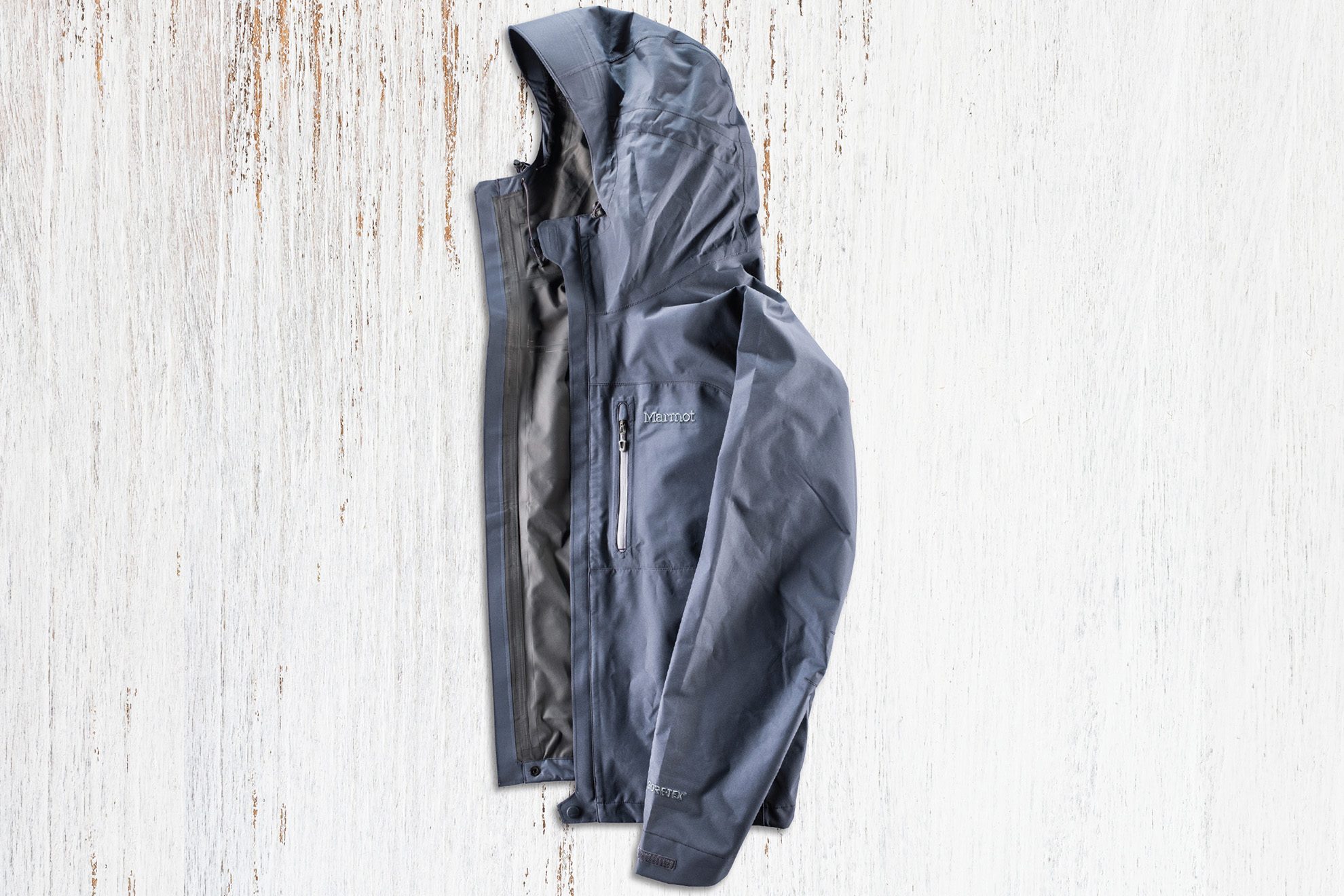
Marmot Minimalist $449
Gore-Tex Paclite fabric is waterproof and breathable. Seam-sealed, adjustable hood, hem, and hook-and-loop cuffs, pitzips, pack-friendly front pockets, water-resistant zippers and front storm flap, DriClime-lined chin guard, Angel-Wing movement. 425g (m); 382g (w). www.marmotnz.co.nz
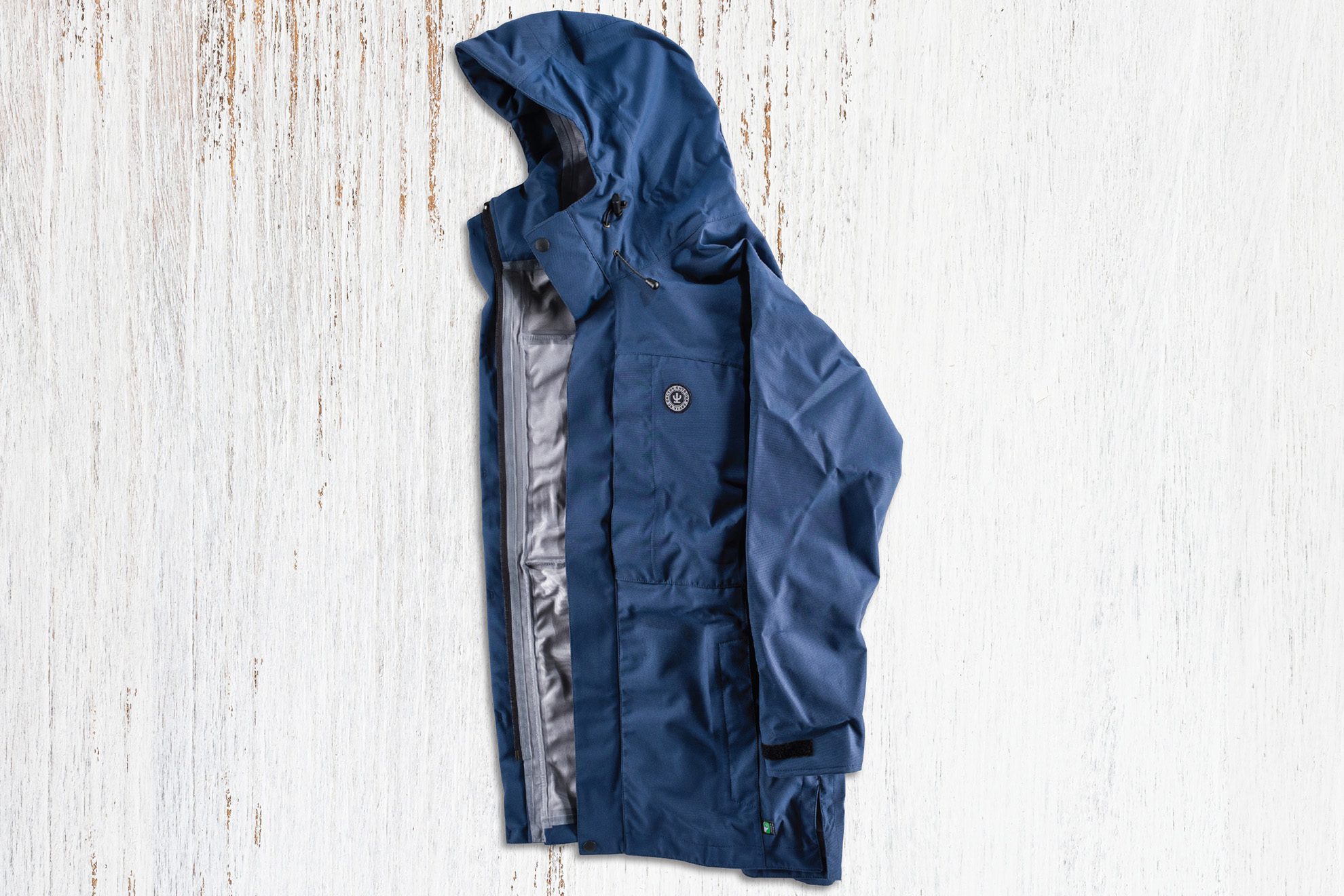
Cactus Rain Jacket $599
Long-cut, waterproof and breathable with Cactus’ hard-wearing WTF-3 fabric, fully seam-sealed, two external zip-access chest pockets, two zippered hand-warmer pockets, free-standing, adjustable hood, Velcro cuff adjustments, drawcords at hem and waist, YKK zips. 940g. www.cactusoutdoor.co.nz
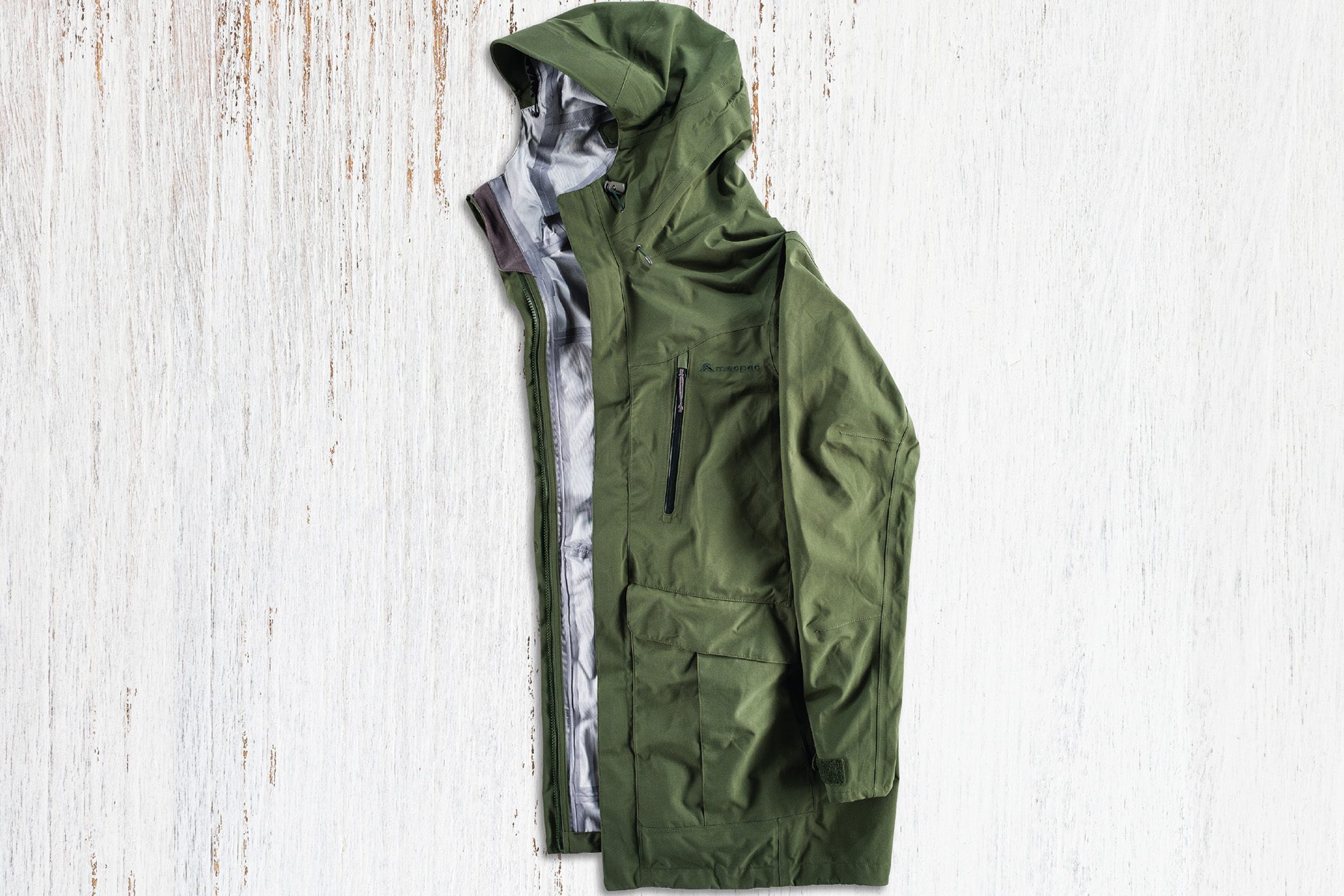
Macpac Copland Rain Jacket $379.99
Long-cut jacket with waterproof and breathable three-layer Reflex fabric. Features include articulated sleeves, a fully adjustable hood, a full-length front zip with inner and outer storm flaps, hem and waist drawcords and pack-friendly pockets that allow access without unbuckling the hipbelt. 650g (m); 580g (w). www.macpac.co.nz
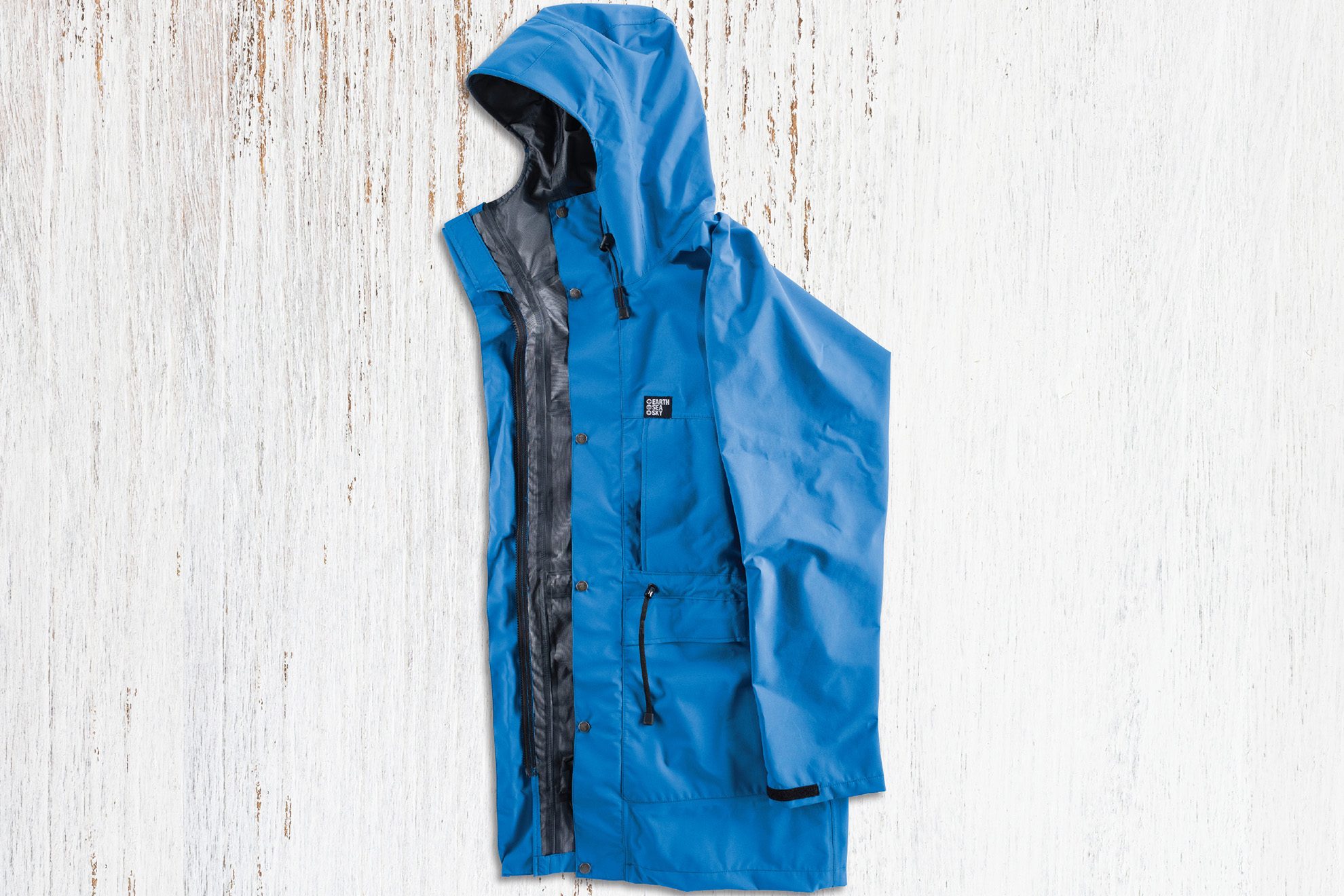
Earth Sea Sky Hydrophobia $499
Seam-sealed full-length jacket with waist drawcord, watertight double-flap zip with domes, double-ended front zip, underarm gusset for freedom of movement, adjustable hood with wire-stiffened visor, external map pocket, top and side entry hand pockets. 750g (m); 630g (w). www.earthseasky.co.nz
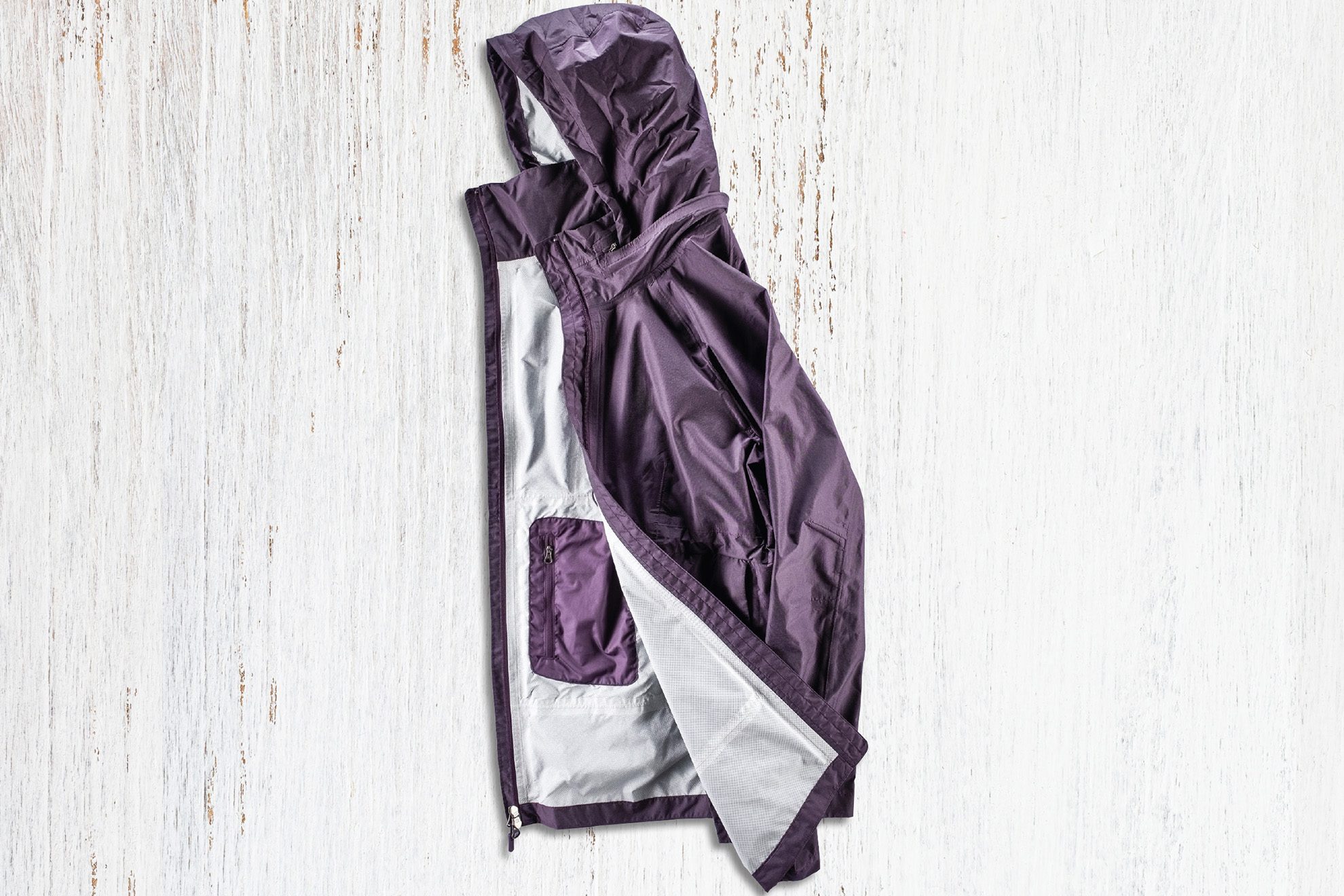
Marmot Women’s Celeste $379.95
Waterproof and breathable 2.5-layer ‘eco’ fabric, fully seam-sealed, tuck-away hood, Velcro cuffs, zippered inner essentials pocket, zippered hand pockets, elastic waist with drawcord. 238g. www.marmotnz.co.nz
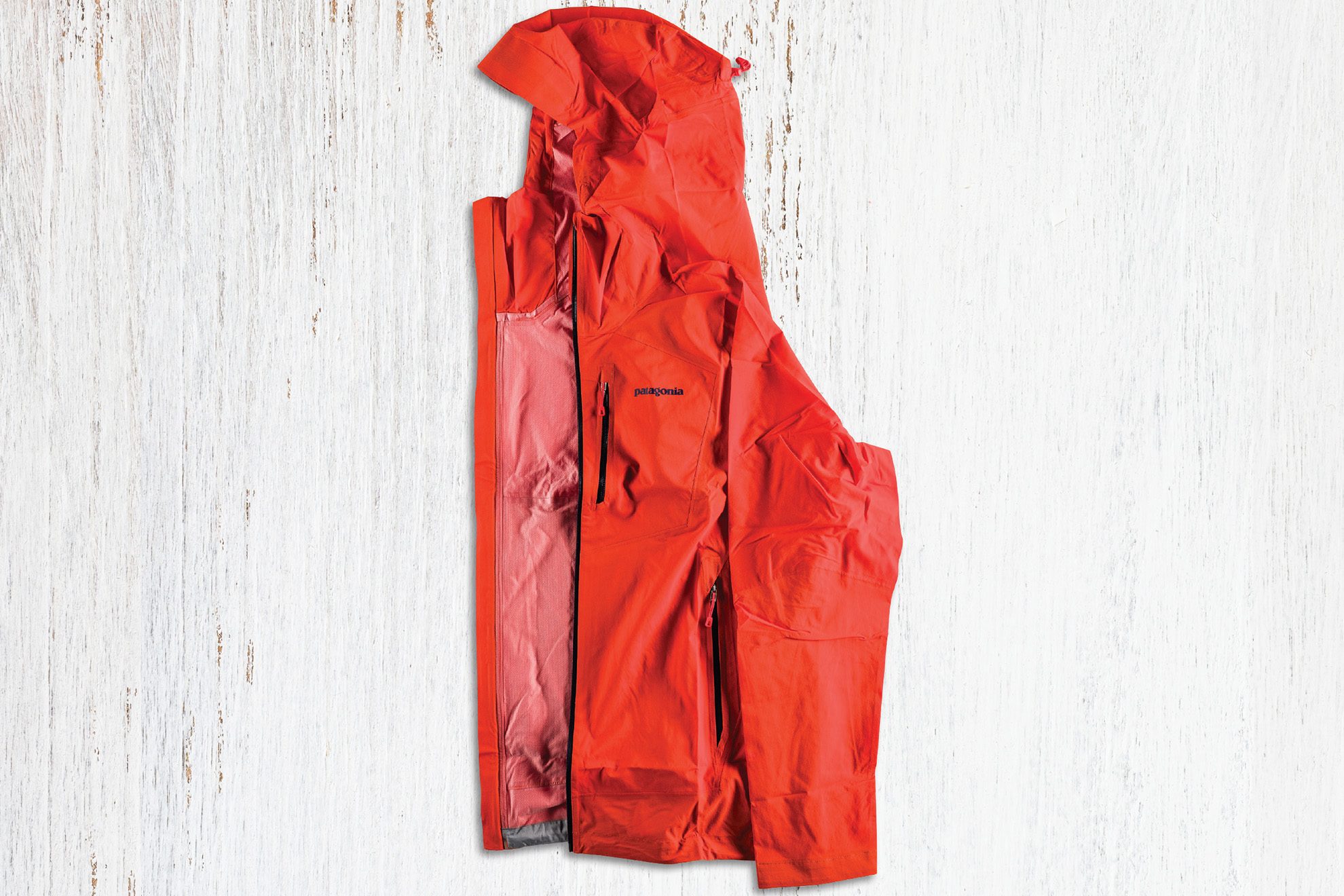
Patagonia Stretch Rainshadow $369.99
Waterproof/breathable 2.5-layer stretch nylon jacket with a DWR finish. Helmet-compatible hood with laminated visor and a single-pull adjustment, watertight front zipper, pitzips, chest pocket and two hand-warmer pockets, hook-and-loop wrist closure, hem drawcord. 295g (m); 261g (w). www.patagonia.com.au
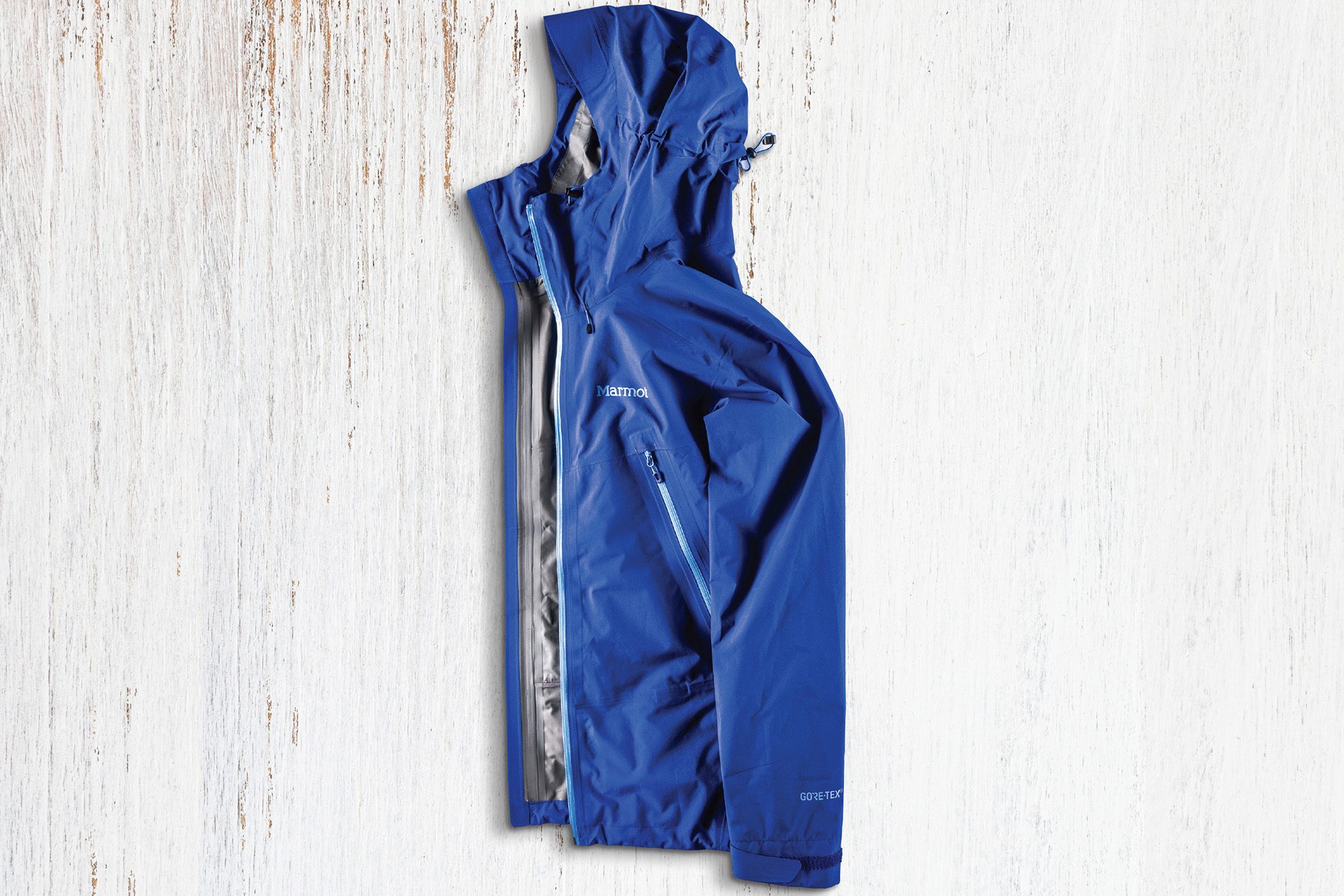
Marmot Knife Edge $499
Lightweight and packable jacket with Gore-Tex Paclite fabric, fully seam-sealed, attached hood with peripheral cord adjustment, pitzips, pack-friendly pockets with water-resistant zippers, Velcro cuffs, drawcord hem, Angel-Wing Movement. 326g (m); 303g (w). www.marmotnz.co.nz
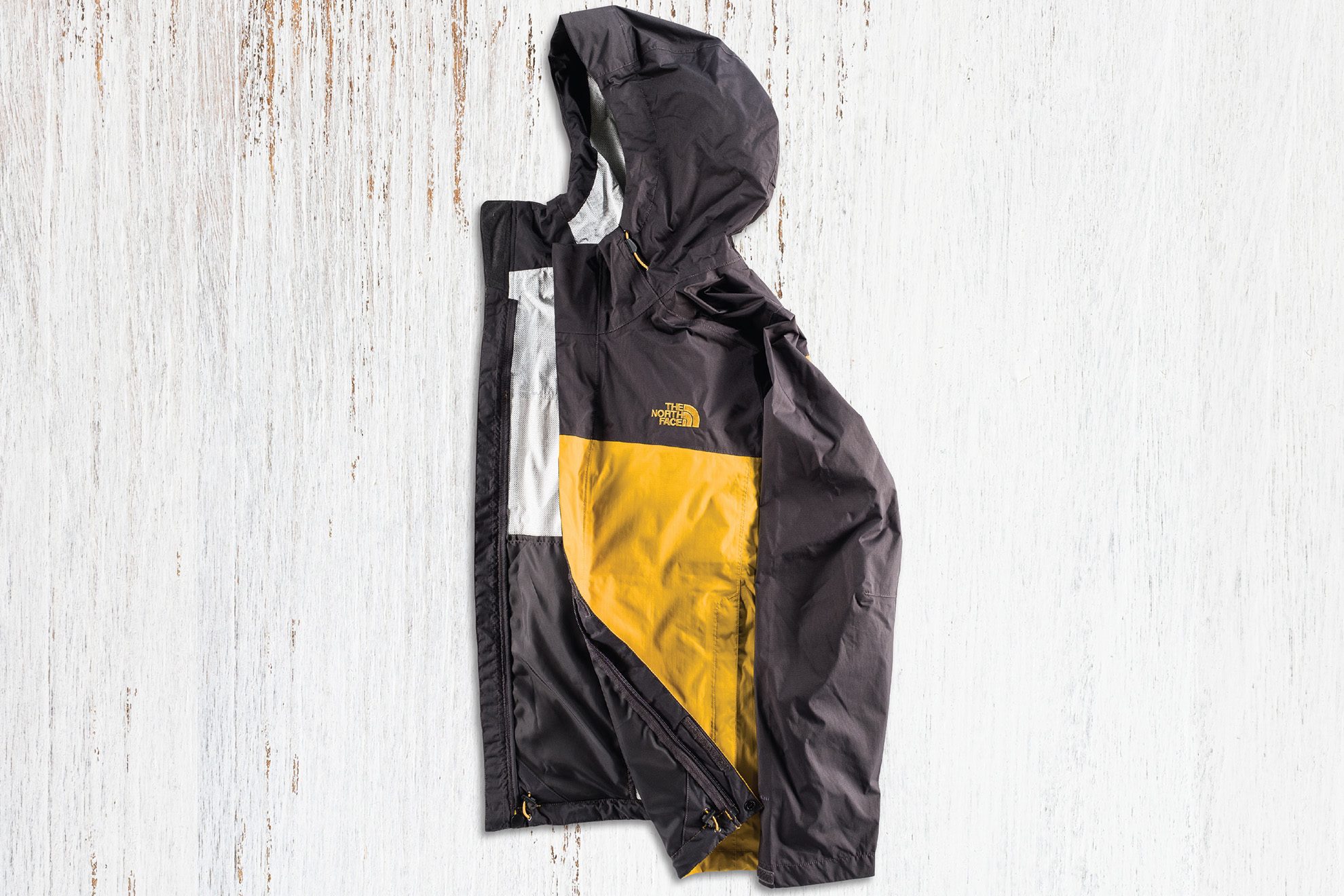
The North Face Venture 2 Jacket $240
DryVent 2.5-layer ripstop nylon fabric, adjustable helmet-compatible hood, Velcro storm flap over centre zipper, pitzips, secure-zip hand pockets with storm-flaps, Velcro cuffs, hem drawcord, packs into its own pocket. 330g (m); 300g (w). www.thenorthface.co.nz
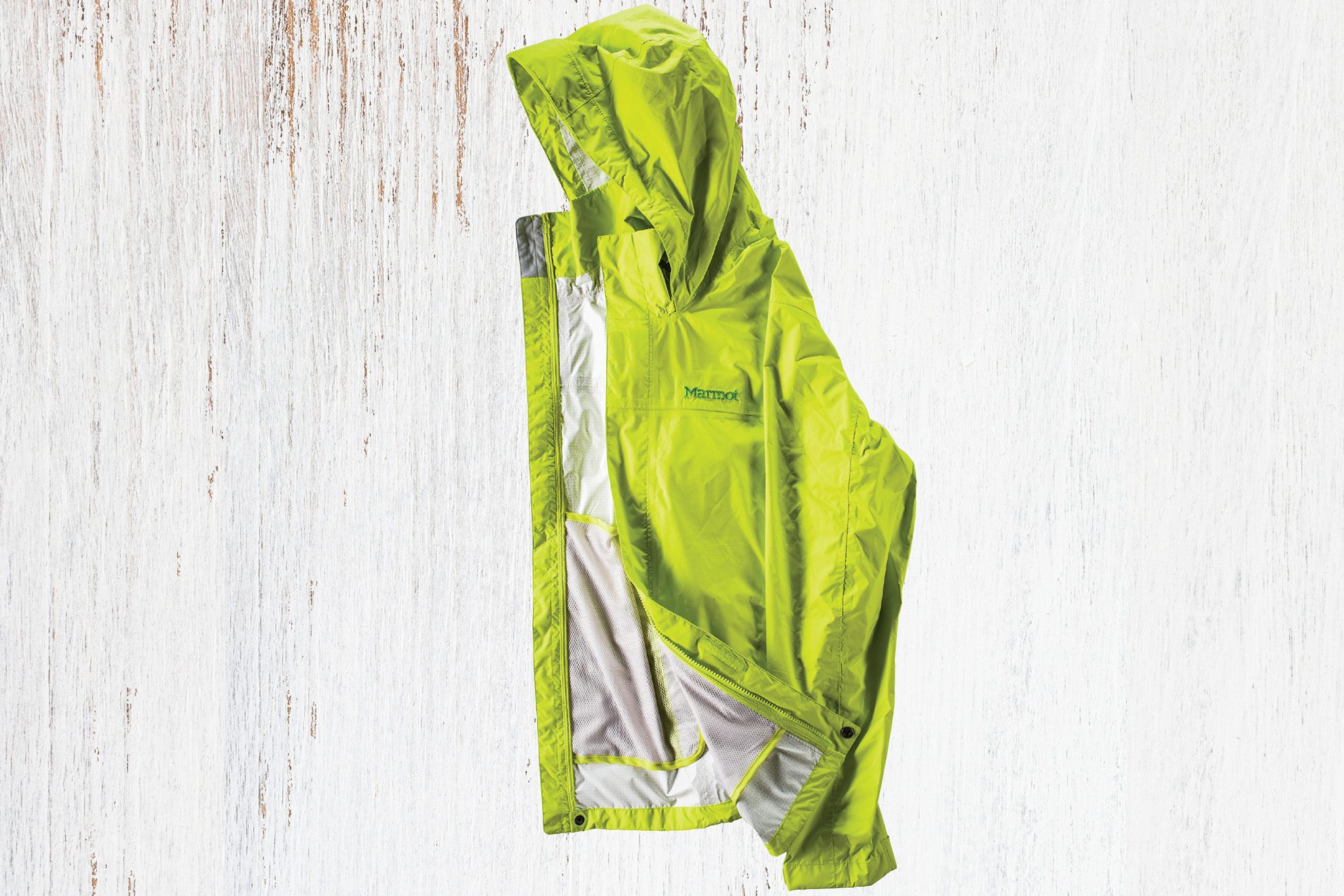
Marmot Precip Jacket $199.95
Marmot 2.5-layer NanoPro waterproof/breathable fabric, fully seam-sealed, attached adjustable hood rolls into the collar, DriClime-lined chin guard, pitzips, pack-friendly pockets, Velcro cuffs, drawcord hem, stuffs into pocket. 312g (m); 272g (w). www.marmotnz.co.nz
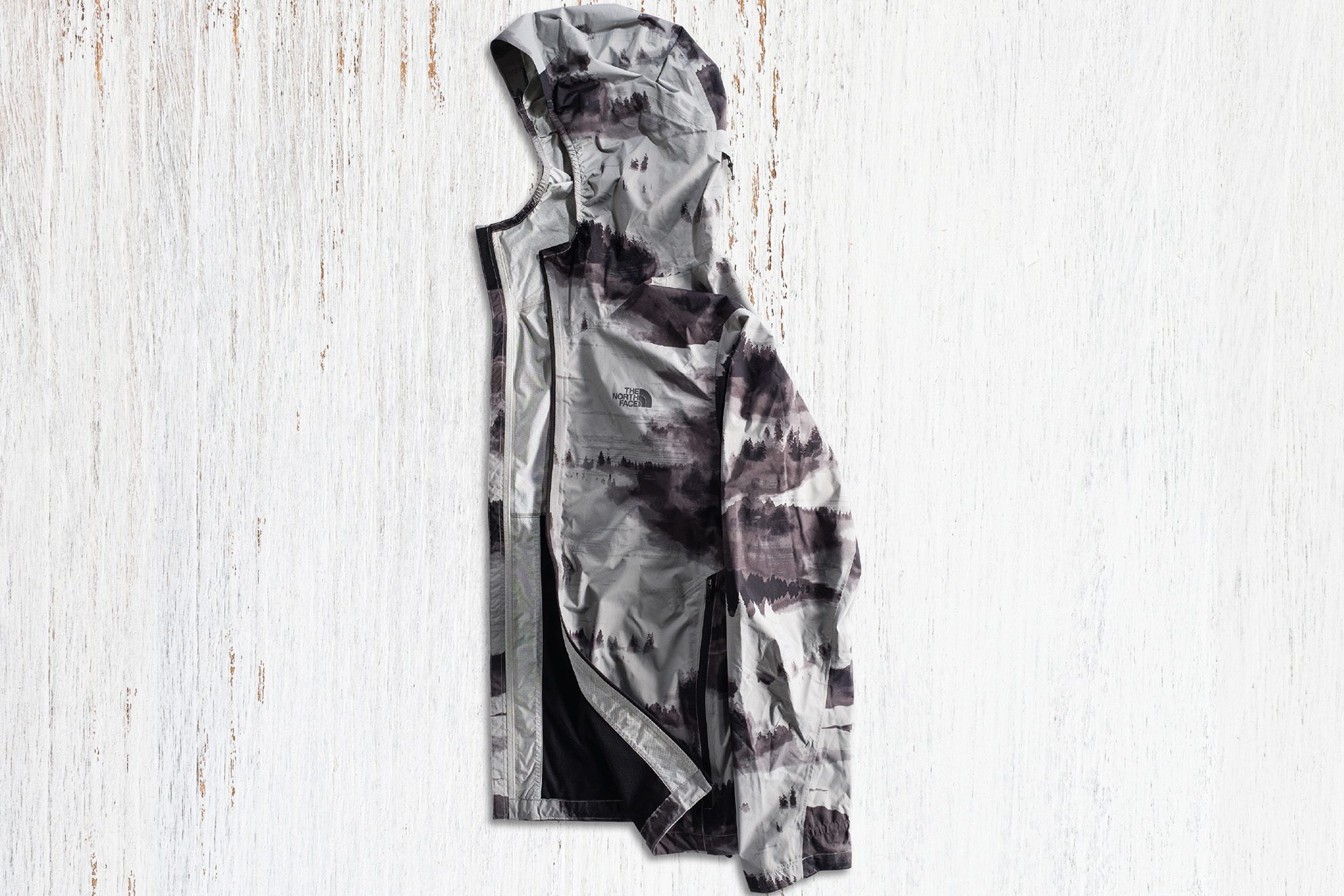
The North Face Stormy Trail $330
Streamlined waterproof running jacket with DryVent 2.5-layer fabric, internal venting system, media and secure-zip hand pockets, 360-degree reflectivity, hem drawcord, rain skirt. 186g (m); 160g (w). www.thenorthface.co.nz