

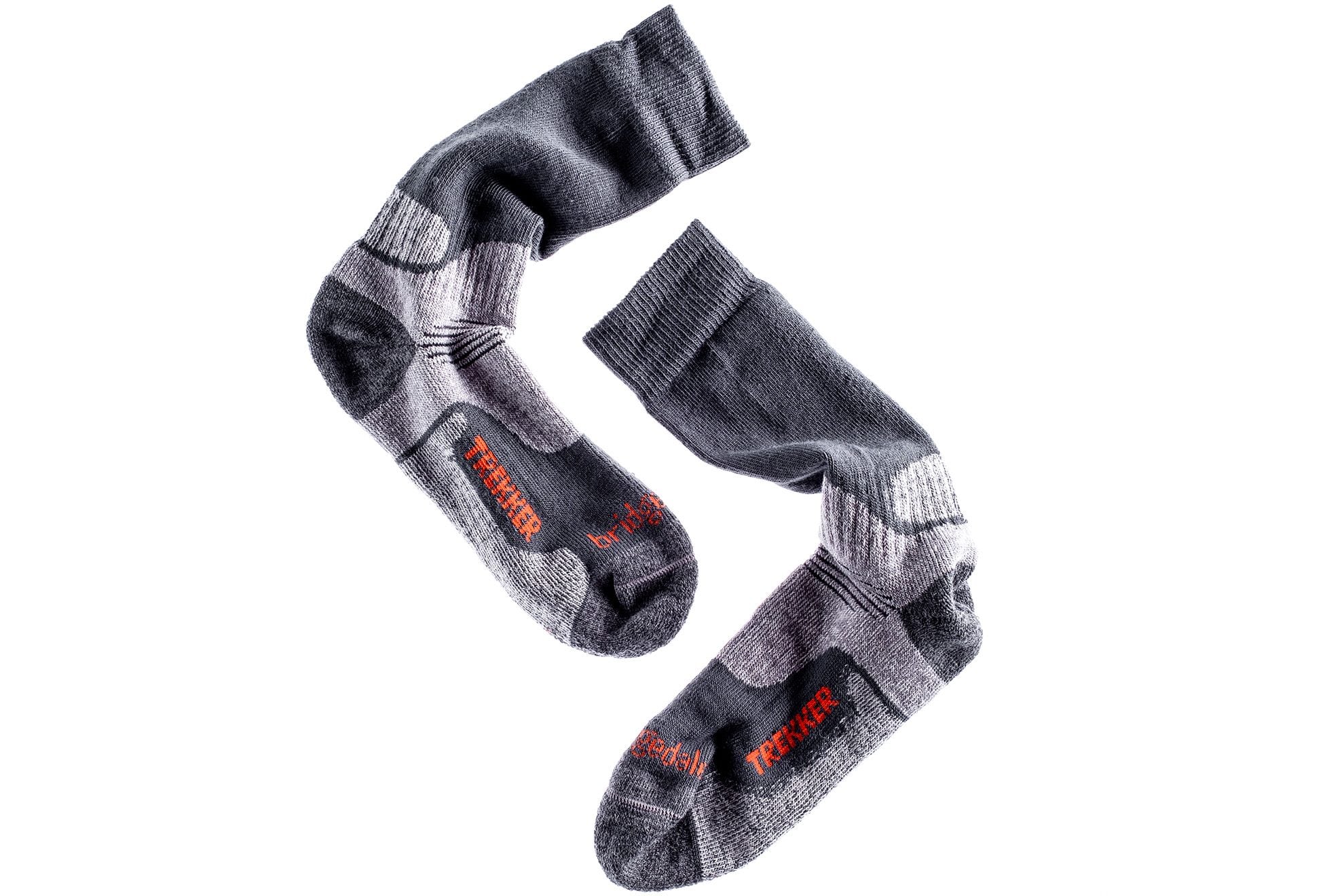
Bridgedale Hike Midweight Merino Endurance $42.99
Three-season sock with Fusion Tech – a combination of natural and synthetic fibres to provide insulation, moisture wicking and durability. Moisture Management System, a performance fit and advanced zonal padding keep feet warm, dry and blister-free. Men’s and women’s sizing. Composition 26% new wool, 18% merino wool, 38% nylon, 17% Endurofil, 1% Lycra. www.ampro.co.nz
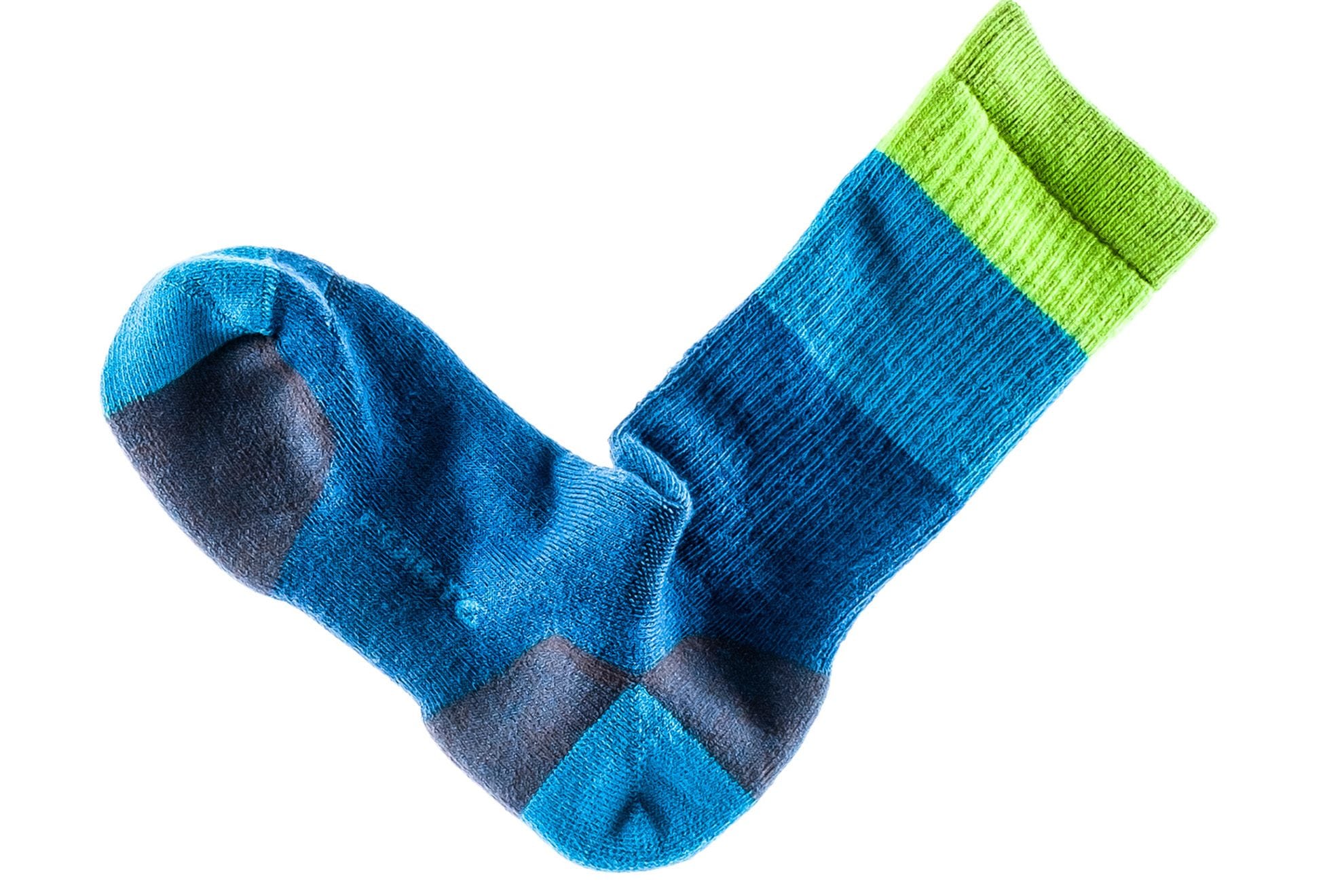
Point6 Block Stripe Medium Crew $43.95
Naturally antimicrobial crew sock with cushioning around entire foot and leg, compact spun yarns, deep heel pocket, seamless toe, ventilation panels. Composition 67% merino wool, 30% nylon, 3% spandex. www.point6.co.nz
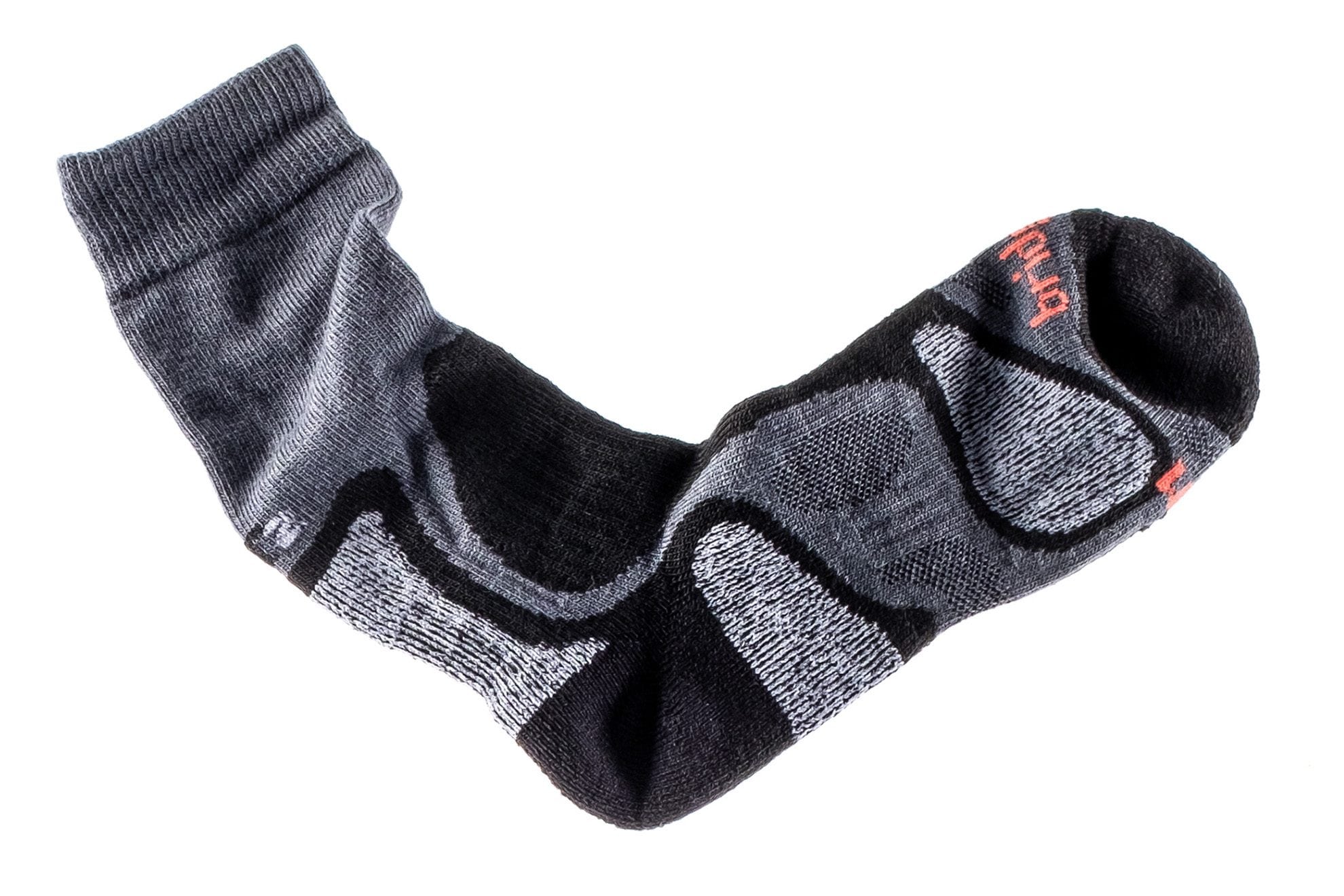
Bridgedale Hike Lightweight T2 Merino Endurance $44.99
Hybrid construction provides protection and ventilation, T2 anti-compression technology compliments lightweight boots, mesh side and underfoot panels aid breathability, Fusion Tech wicks moisture. Men’s and women’s sizing. Composition 31% merino wool, 37% nylon, 31% Endurofil, 1% Lycra. www.ampro.co.nz
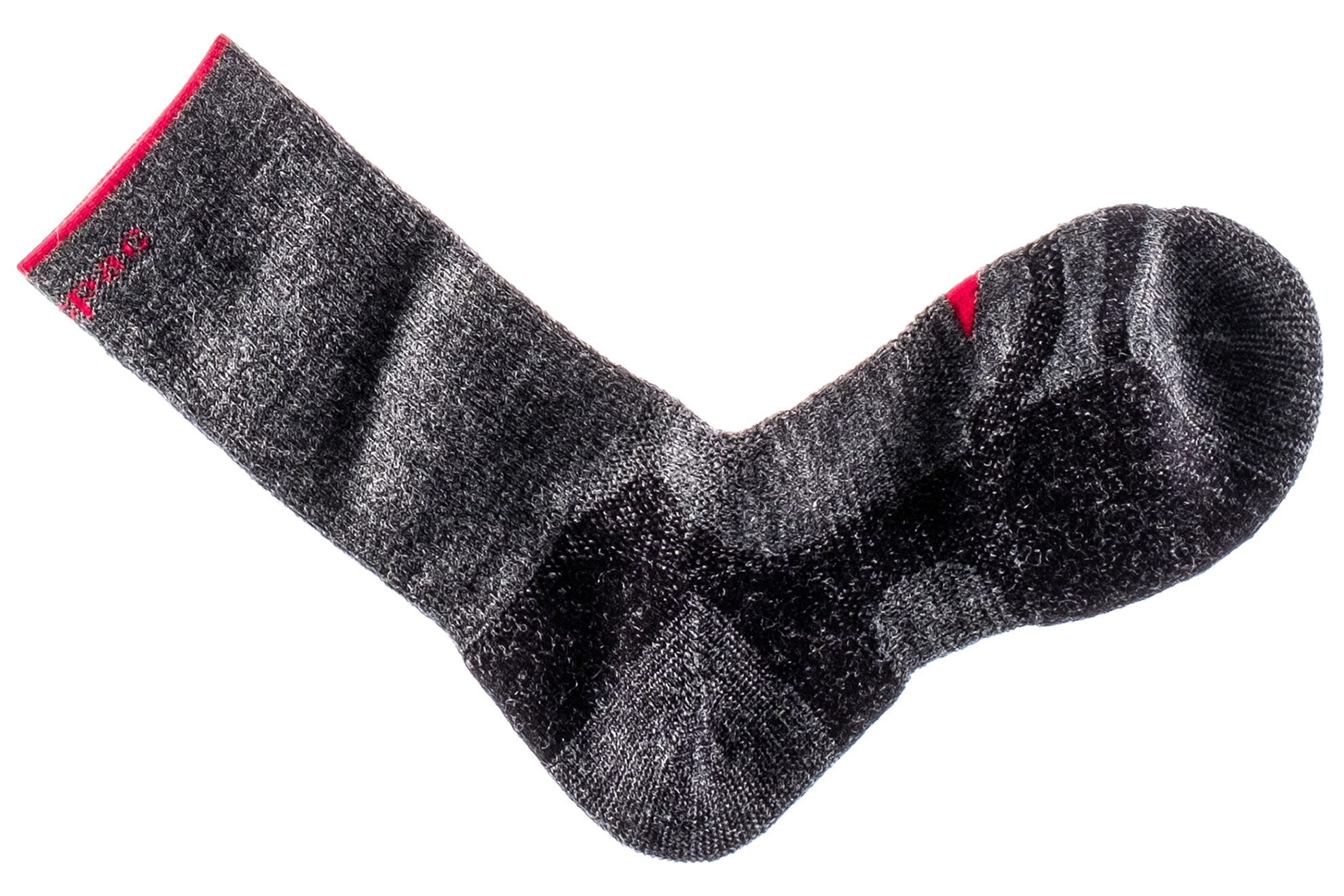
Macpac Merino Hiker $34.95
With loop pile cushioning, elasticated arch to prevent ride-down, smooth toe seam, nylon reinforcing for durability and the natural odour-resistance of merino. Composition 82% merino, 12% nylon, 6% elastane. www.macpac.co.nz
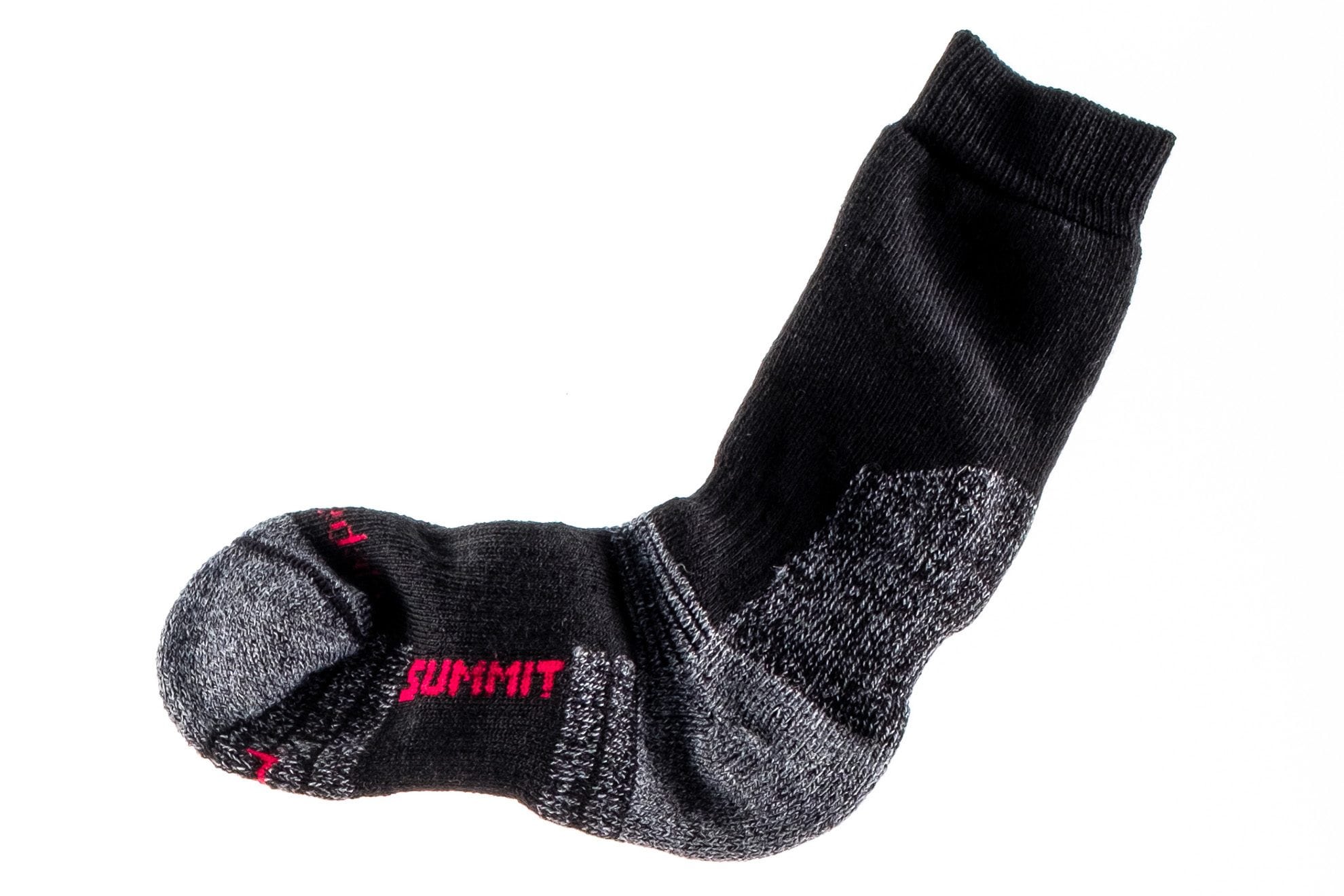
Bridgedale Explorer Heavyweight Merino Endurance $49.99
Expedition sock for extended use and with dense cushioning throughout providing warmth, impact resistance and comfort. Fusion Tech combination of natural and synthetic yarns for insulation, moisture wicking and durability. Men’s and women’s sizing. Composition 28% merino wool, 19% new wool, 34% nylon, 18% Endurofil, 1% Lycra. www.ampro.co.nz



